By Eli Jesse
When people think about hip-hop, rap music is often the first thing that comes to mind.
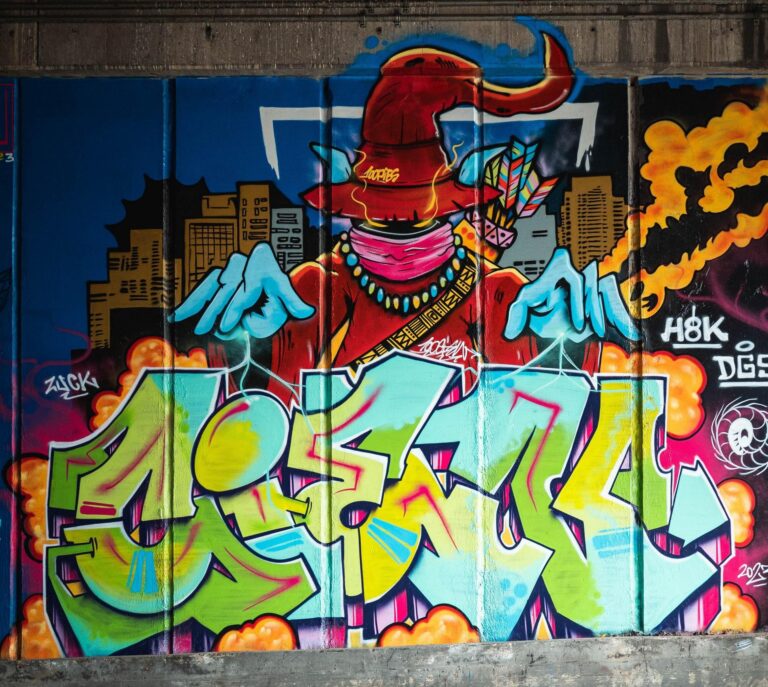
In Bogotá, however, many members of the culture would argue that hip-hop is much bigger than what comes through a speaker. Alongside MCing, DJing, and breakdancing, graffiti remains one of the foundational pillars of hip-hop culture, and in Colombia’s capital, its influence can be seen on walls, buildings, bridges, and neighborhoods throughout the city.
While rappers often dominate headlines and streaming platforms, graffiti artists continue shaping Bogotá’s urban identity in ways that are impossible to ignore. New murals, community art projects, and large-scale street art initiatives are constantly appearing across the city, transforming public spaces into open-air galleries and helping preserve one of hip-hop’s most important traditions.
In 2026, graffiti remains more than art—it remains a cultural movement.
Bogotá Has Become a Global Street Art Destination
Over the past decade, Bogotá has earned international recognition as one of the world’s leading street art cities.
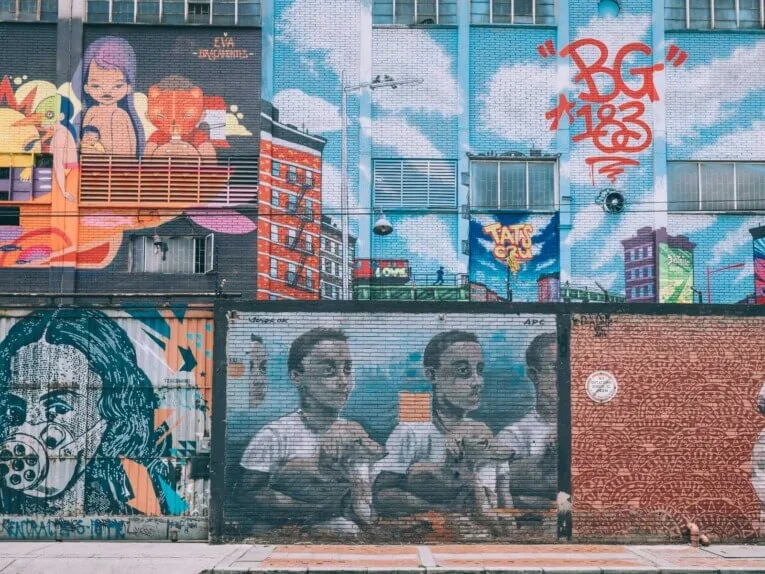
Visitors from around the globe frequently explore neighborhoods known for their colorful murals and creative public artwork. Areas such as La Candelaria and districts surrounding the city center have become famous for walls that showcase everything from political commentary and social messages to portraits, abstract designs, and hip-hop-inspired artwork.
Unlike many cities where graffiti is treated solely as vandalism, Bogotá has increasingly embraced street art as an important cultural and artistic expression.
This acceptance has allowed artists to create ambitious works that contribute to the city’s unique visual identity.
For many residents, graffiti has become a defining feature of Bogotá itself.
Graffiti Is One of Hip-Hop’s Original Elements
To understand why graffiti matters, it’s important to understand hip-hop’s history.
From its origins in New York during the 1970s, hip-hop developed around four core elements:
- MCing (rap)
- DJing
- Breakdancing
- Graffiti
Each element provided a different way for young people to express themselves creatively and communicate their experiences.
Graffiti allowed artists to claim visibility within environments where they often felt overlooked or marginalized. Through names, symbols, murals, and artistic styles, writers created visual identities that reflected their communities and perspectives.
That spirit remains alive in Bogotá today.
For many local artists, graffiti is not simply decoration—it is storytelling.
Murals Are Telling Bogotá’s Stories
One reason Bogotá’s graffiti scene continues thriving is its connection to community narratives.
Many murals explore themes related to culture, history, identity, social justice, and everyday life. Artists frequently use public spaces to highlight issues affecting local communities while celebrating the diversity that makes Bogotá unique.
Large-scale murals often transform ordinary walls into powerful visual statements.
Some works honor Indigenous heritage. Others celebrate Afro-Colombian culture, youth creativity, or neighborhood history. Many incorporate elements of hip-hop aesthetics while addressing broader social themes.
As a result, graffiti serves both artistic and educational purposes.
It gives communities a voice while preserving stories that might otherwise go untold.
Community Projects Continue Expanding
Graffiti’s impact extends beyond individual artworks.
Across Bogotá, community organizations and cultural programs regularly organize mural projects that involve local residents, students, and young artists. These initiatives provide opportunities for skill development, collaboration, and creative expression.
Participants learn artistic techniques while contributing to projects that improve public spaces.
In many neighborhoods, murals have become symbols of community pride and collective achievement.
These programs also help challenge stereotypes surrounding graffiti by demonstrating its potential as a positive cultural force.
Rather than focusing solely on enforcement and restriction, many organizations emphasize education and artistic development.
Hip-Hop and Public Art Remain Connected
Although rap music often receives the most media coverage, graffiti remains deeply connected to Bogotá’s broader hip-hop ecosystem.
Hip-hop festivals, cultural events, and community gatherings frequently include live mural painting, street art exhibitions, and opportunities for graffiti artists to showcase their work.
Events such as Hip Hop al Parque have historically provided spaces where visual artists can participate alongside rappers, DJs, and dancers.
This integration helps preserve the culture’s original vision while introducing new generations to all aspects of hip-hop.
For many participants, graffiti is not separate from hip-hop—it is hip-hop.
The Influence of Social Media
The digital era has also helped expand Bogotá’s graffiti movement.
Artists can now share their work with audiences worldwide through Instagram, TikTok, and other platforms. A mural created in Bogotá can reach viewers across Latin America, Europe, and North America within hours.
This visibility has increased opportunities for collaborations, exhibitions, and international recognition.
It has also helped document artworks that may eventually disappear due to weather, redevelopment, or changing urban landscapes.
Social media has effectively turned local walls into global galleries.
Looking Toward the Future
As Bogotá continues evolving, graffiti remains one of the city’s most powerful forms of cultural expression.
The movement continues attracting new artists while maintaining strong connections to hip-hop’s foundational values of creativity, authenticity, and community engagement.
Whether through massive murals, neighborhood projects, or festival showcases, graffiti continues giving people a way to tell their stories and shape the spaces around them.
In a world increasingly dominated by digital communication, there is something uniquely powerful about art that exists directly within the community.
That is why graffiti still matters.
It remains a visual voice for Bogotá’s streets, a cornerstone of hip-hop culture, and a reminder that some of the most important conversations are written not on screens, but on walls.
Slug: why-graffiti-still-matters-in-bogotas-hip-hop-movement
Meta Description: Graffiti remains a vital part of Bogotá’s hip-hop culture. Discover how murals, street art projects, and community initiatives continue shaping Colombia’s urban identity.
Tags: Bogotá Graffiti, Hip-Hop Culture, Street Art Colombia, Colombian Hip-Hop, Urban Art, Graffiti Artists, Hip Hop al Parque, Bogotá Street Art, Latin American Art, Rap Culture
Keywords: Bogotá graffiti, street art Bogotá, Colombian graffiti artists, hip-hop culture Colombia, graffiti movement, urban art Bogotá, Latin American street art, Bogotá murals, Colombian hip-hop scene, graffiti culture 2026
About the Author