Colombia’s music community has responded to one of the country’s biggest disasters of 2026 by turning concerts, festivals and music projects into vehicles for relief.
Following the 7.4-magnitude earthquake that struck western Colombia on August 10, artists and organizers across the country have launched initiatives to support communities affected by the disaster. The earthquake caused widespread destruction, particularly in Chocó and surrounding regions, and left hundreds dead and thousands of people affected.
For Colombia’s hip-hop community, the response has included MADE4RAP, a new festival bringing together independent rap artists in Medellín and Bogotá while supporting families affected by the earthquake.
The broader music industry has also mounted one of the country’s largest benefit concerts of the year.
Music Becomes a Tool for Relief
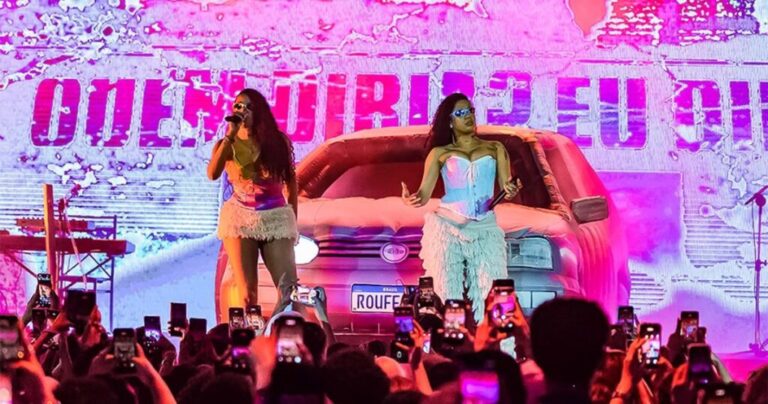
On August 23, Bogotá hosted Colombia: Voces por la Vida, a major benefit concert at Vive Claro Distrito Cultural.
More than 30 artists participated in the event, including Maluma, Sebastián Yatra, Greeicy, Manuel Turizo, Pedro Capó, Grupo Niche and Miguel Bosé, while Karol G joined remotely. The concert raised approximately 11.193 billion Colombian pesos, equivalent to around US$3.6–3.7 million, for reconstruction and assistance to earthquake victims.
The event demonstrated the ability of Colombia’s entertainment industry to mobilize quickly when communities are in crisis.
Artists performed without compensation, while proceeds were directed toward relief and reconstruction efforts. Karol G’s Fundación Con Cora also contributed a major donation of approximately US$1.2 million.
The result was more than a concert.
It became a national gathering centered on solidarity.
Hip-Hop Joins the Response
The earthquake response has also reached Colombia’s independent hip-hop scene.
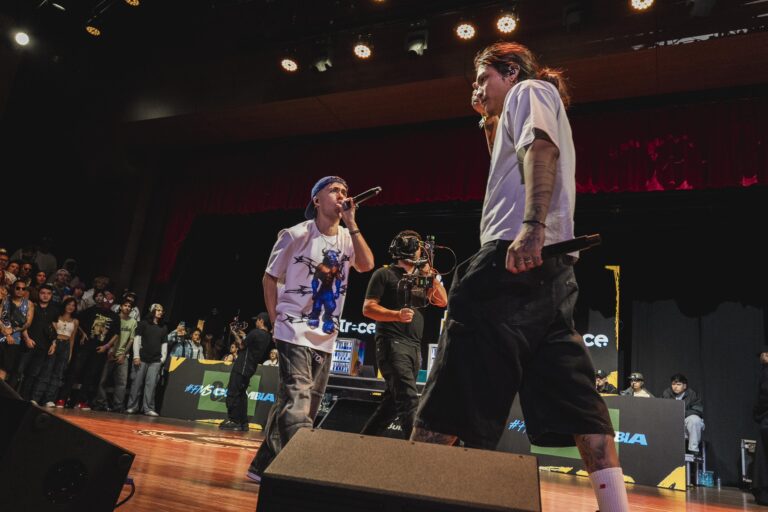
MADE4RAP, scheduled for August 28 in Medellín and August 29 in Bogotá, is bringing together some of the country’s notable rap voices while incorporating support for families affected by the disaster.
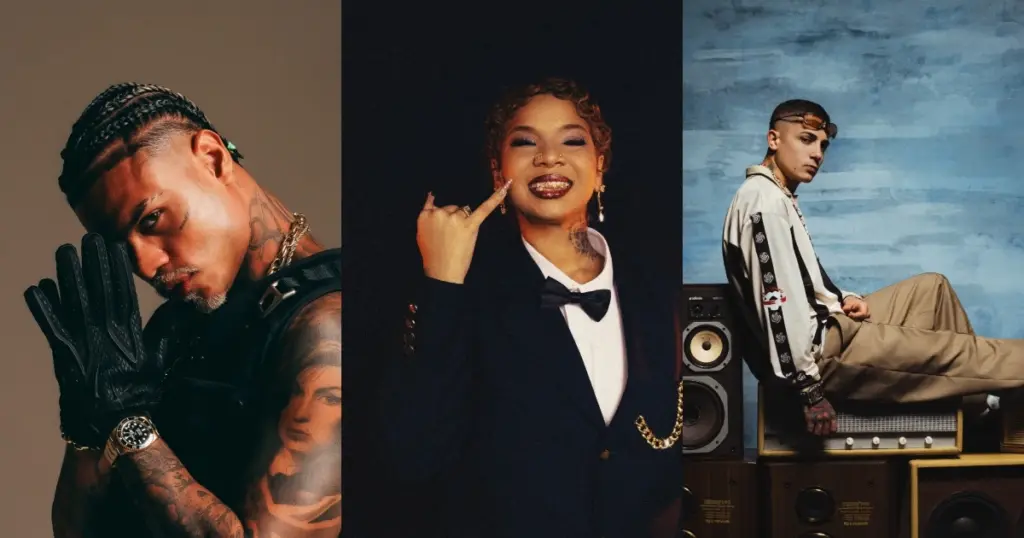
The lineup includes Granuja, No Rules Clan, N. Hardem, Luis7Lunes, Vic Deal and Maco Maat, alongside Spain’s Rapp Gotti.
That makes MADE4RAP particularly relevant to Colombia’s rap community.
The festival was already designed as a gathering for independent Colombian hip-hop, but the earthquake has given the event an additional purpose: using the culture’s existing network of artists and fans to contribute to relief efforts.
Rather than separating music from community responsibility, MADE4RAP is demonstrating how the two can operate together.
From the Underground to a National Response
Hip-hop has long been connected to community organizing in Colombia.
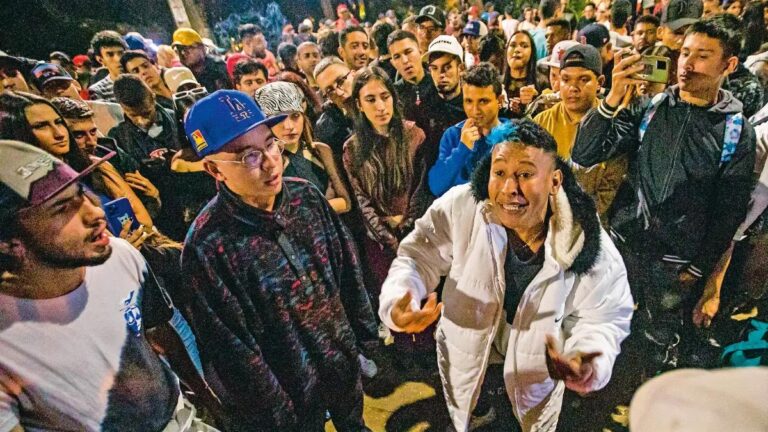
Across cities such as Bogotá and Medellín, rappers, DJs, graffiti artists, dancers and cultural organizations have used hip-hop as a way of creating spaces for young people and addressing social issues.
The response to the earthquake reflects that tradition.
MADE4RAP’s approach is particularly notable because it focuses on artists who developed within Colombia’s independent rap ecosystem rather than relying exclusively on the country’s biggest commercial stars.
Names such as No Rules Clan, N. Hardem, Granuja and Vic Deal represent different generations and styles within Colombian rap.
Bringing them together for a cause larger than the individual artists gives the festival a community dimension that goes beyond its musical lineup.
A Country Responds Through Music
The response has not been limited to hip-hop.
Colombia’s wider music industry has mobilized around the disaster, with major artists and organizations contributing money, performances and public support.
The Voces por la Vida concert became the biggest example, generating billions of pesos for recovery efforts in a single event.
Other artists have also announced direct contributions.
The response has included international support as well. Beyoncé announced a US$1 million donation toward humanitarian assistance for communities affected by the earthquake, while Shakira and her Pies Descalzos foundation have also committed support for rebuilding schools.
These contributions show how the disaster has brought together Colombia’s domestic music industry and international artists with connections to the country.
The Importance of Chocó
The earthquake’s impact has been particularly severe in Chocó, a historically underserved region on Colombia’s Pacific coast.
The disaster exposed existing problems involving poverty, infrastructure, healthcare and access to essential services. Thousands of homes were damaged or destroyed, while communities in remote areas faced additional difficulties receiving assistance.
That context has made the relief effort about more than replacing damaged buildings.
For many Colombians, the disaster has drawn renewed attention to communities that have struggled with limited infrastructure and economic opportunities for years.
Music has become one way of directing national attention toward those communities.
Why the Hip-Hop Response Matters
The participation of independent rappers in the relief effort is significant because Colombian hip-hop has historically been more than entertainment.
The culture has provided a platform for artists to talk about inequality, identity, neighborhood life, violence, ambition and social change.
When the same community turns that platform toward disaster relief, it reinforces the idea that hip-hop can function as a social network as well as a musical culture.
MADE4RAP’s August 28 and 29 events provide a concrete example of that philosophy.
Fans attending the festival are not simply buying tickets to see their favorite rappers. They are participating in an event that connects Colombian rap with a national humanitarian effort.
A Different Kind of Colombian Music Story
Colombia is now one of the world’s most important markets for Latin urban music.
Its biggest stars regularly headline international festivals and stadiums, while Medellín and Bogotá have become major destinations for global music.
But the earthquake response has highlighted another side of the country’s music industry.
It has shown what can happen when artists, independent organizers, fans and major commercial acts use their platforms collectively.
From a massive benefit concert featuring some of Latin music’s biggest names to an independent rap festival connecting Medellín and Bogotá, Colombia’s music community has responded to tragedy with action.
For hip-hop in particular, the response reinforces something the culture has demonstrated for decades: music can be entertainment, but it can also be community, identity and solidarity.
And in the aftermath of Colombia’s August earthquake, that message has taken on a new significance.
About the Author