HipHopla | Colombian Hip-Hop | November 7, 2026
Colombian hip-hop is continuing to build connections beyond its home country, with independent artists taking part in international exchanges designed to bring underground rap communities closer together. One of the projects drawing attention is Operación Frecuencia, a Colombia–Mexico tour bringing together independent performers, local collectives and hip-hop communities across several cities.
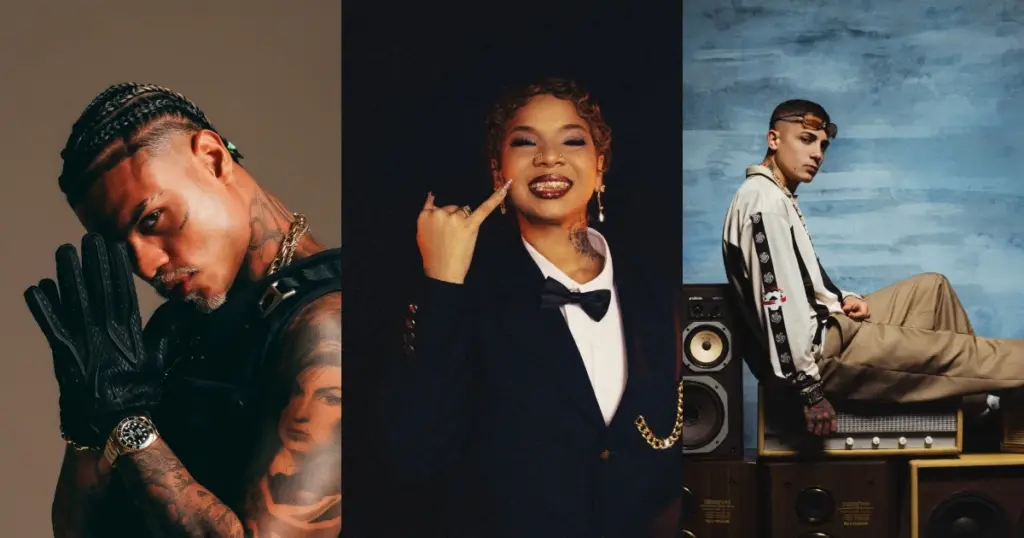
The tour features Sr. Nowak, Logan MVP, Zetta One and Prod Boloe, with local artists and cultural organizers joining the program at different stops. Rather than relying on a major record label to organize the movement, the project has been built through collaboration between independent collectives, highlighting another way Colombian rap artists can find audiences outside their usual markets.
Its Mexico leg is scheduled to begin in Mexico City on November 7, 2026, before continuing to Celaya on November 8. The itinerary also includes later stops in Guadalajara, Querétaro and Monterrey. The dates make the tour a timely example of how Colombian hip-hop is creating opportunities through grassroots networks and direct relationships between scenes.
A Tour Built Around Independent Hip-Hop
Operación Frecuencia emerged from months of coordination between people working within the Colombian and Mexican hip-hop scenes. Its central idea is to help independent artists move between countries, perform for new audiences and establish relationships with local musicians and organizers.
That goal addresses a familiar challenge for underground rappers: making music is only one part of building a sustainable career. Artists also need access to stages, promoters, audiences and other musicians who can help them extend their reach. International touring can be expensive and difficult to coordinate, especially for performers operating without the resources of a major label.
By organizing dates around independent venues and local collectives, Operación Frecuencia offers a practical alternative. Each stop becomes an opportunity for visiting artists to meet a community rather than simply arrive, perform and leave.
According to reporting by UNAL Cultural, the project was developed through collaboration between Colombian and Mexican collectives without major record labels directing the process. The initiative also emphasizes cultural management, self-organization and the creation of networks that can support independent music beyond a single event.
The approach places the infrastructure behind hip-hop in the spotlight. Independent artists often depend on organizers who can provide spaces, connect performers with audiences and coordinate the logistics that make a tour possible. Projects like this show how those relationships can become part of the creative ecosystem.
The Artists Representing Colombia
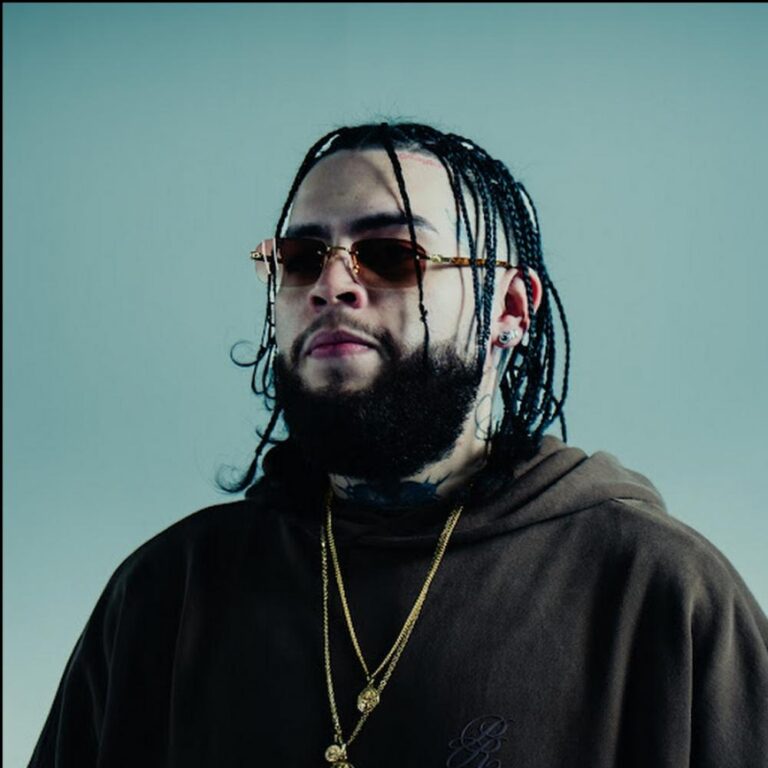
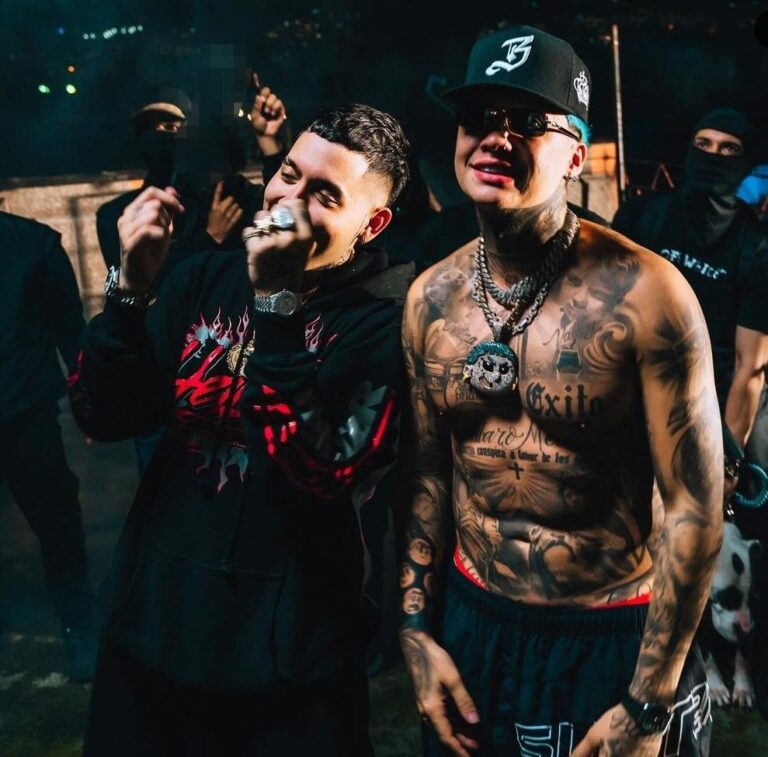
The tour brings together Sr. Nowak, Logan MVP, Zetta One and Prod Boloe. The lineup connects artists associated with Bogotá and Medellín, while the Mexican dates create opportunities to share the stage with performers and cultural figures from the host cities.
Logan MVP is associated with Bogotá’s independent group The Coffeeeling Prolé, while the tour’s event listings identify Sr. Nowak and Zetta One among the artists representing Medellín. Prod Boloe is also part of the project’s travelling lineup, contributing to its cross-border character.
The collaboration creates a meeting point for different experiences within Colombian hip-hop. Bogotá and Medellín each have their own networks of MCs, producers, DJs and collectives, and independent tours can help those artists reach listeners who may not encounter their music through mainstream streaming playlists or commercial radio.
For the performers, the opportunity is not limited to gaining new listeners. Working with local artists can also create connections for future collaborations, shared performances and cultural projects. Those relationships may continue after the tour concludes, potentially opening doors for other independent musicians in both countries.
The project also highlights the value of cooperation between artists who may not have the same resources or commercial visibility. Instead of treating each city as an isolated market, the tour links local communities through a shared musical culture.
Mexico City Opens the November Leg
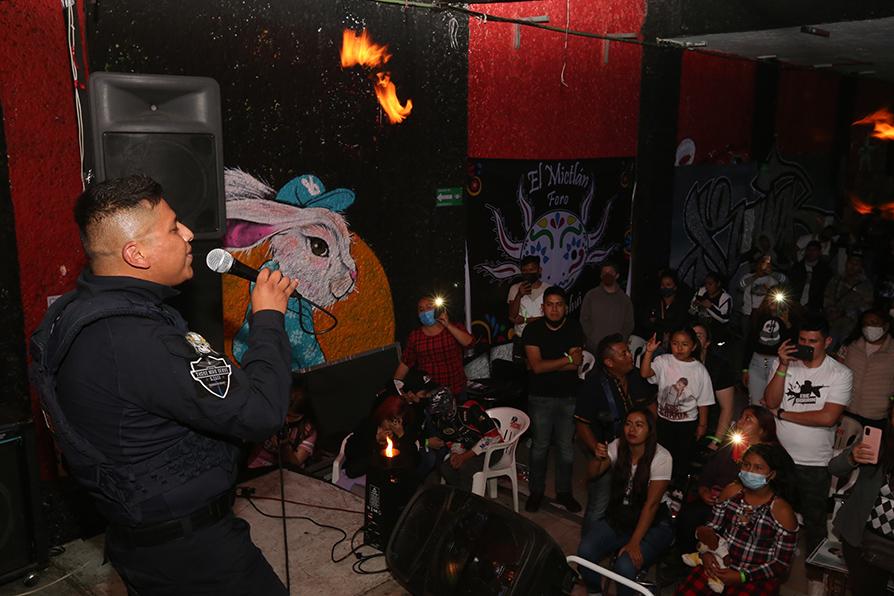
The Mexico portion of Operación Frecuencia is scheduled to begin on November 7 at Chela Ring in Mexico City. The event listing identifies the gathering as part of the Colombia–Mexico tour and includes local participation, including DJ Paito and Boloe.
The next listed stop is November 8 at Bar El Estribo in Celaya, Guanajuato. That event is promoted as another meeting between Colombian visitors and the Mexican rap scene, with Terma H Muda named among the participating acts.
The schedule then continues with later dates in Guadalajara, Querétaro and Monterrey. These stops extend the tour beyond the country’s largest city, bringing the exchange into different local music communities rather than concentrating the entire program in one market.
For independent hip-hop, this kind of route can be important. Regional scenes develop their own audiences, venues and traditions, and touring through several cities gives artists more opportunities to build meaningful connections. It also gives local organizers a chance to introduce audiences to performers they might not otherwise see live.
The dates themselves are only one measure of the project’s value. The longer-term impact will depend on whether the relationships formed during the tour lead to further shows, new recordings, shared promotional efforts or additional exchanges between Colombian and Mexican artists.
Why Independent Tours Matter for Colombian Rap
Colombian hip-hop has developed through a mixture of independent releases, live shows, neighborhood communities and artists who build careers outside the largest commercial structures. While internationally visible urban music can attract major attention, the underground scene continues to depend on smaller networks that help performers create, distribute and perform their work.
Operación Frecuencia puts that independent infrastructure at the center of its mission. Its organizers are not presenting the tour solely as a series of concerts; they are also trying to strengthen the relationships that allow music to circulate between countries.
That distinction matters for emerging artists. A performance abroad can introduce a rapper to a new audience, but a lasting connection with a promoter, collective or fellow musician can create opportunities well beyond one night. Independent cultural networks can help artists exchange knowledge, share resources and develop projects that would be difficult to build alone.
The Colombia–Mexico connection also demonstrates how hip-hop can create common ground across national borders. Artists may come from different cities and face different local realities, but rap offers a shared language through rhythm, lyricism, production and performance. Local collaborations allow that common ground to develop without requiring every scene to sound the same.
For Colombian performers, taking part in an international exchange can also provide a different perspective on their own music. Performing for audiences unfamiliar with their work gives artists a chance to test their material in new environments and discover which elements connect across cultural boundaries.
What Comes After the Tour?
Operación Frecuencia’s November dates provide a snapshot of the work required to move independent hip-hop between countries. The project brings artists, venues and collectives together, but its broader significance will depend on the connections that survive after the final performance.
Potential outcomes include future collaborations, reciprocal bookings, independent releases and additional tours between Latin American cities. These are possibilities rather than confirmed results, and the project’s lasting impact will become clearer as its activities progress.
For now, the tour offers an example of Colombian hip-hop reaching international audiences through grassroots organization. Its model puts collaboration and cultural exchange alongside the performances themselves, recognizing that a thriving scene needs more than talented artists. It also needs people willing to build the platforms, relationships and opportunities that allow those artists to reach listeners.
As Operación Frecuencia moves into Mexico, its story is worth following for anyone interested in the independent side of Latin American rap. The project illustrates how artists can look beyond traditional industry routes to create their own opportunities, connect with new communities and keep underground hip-hop moving across borders.
About the Author