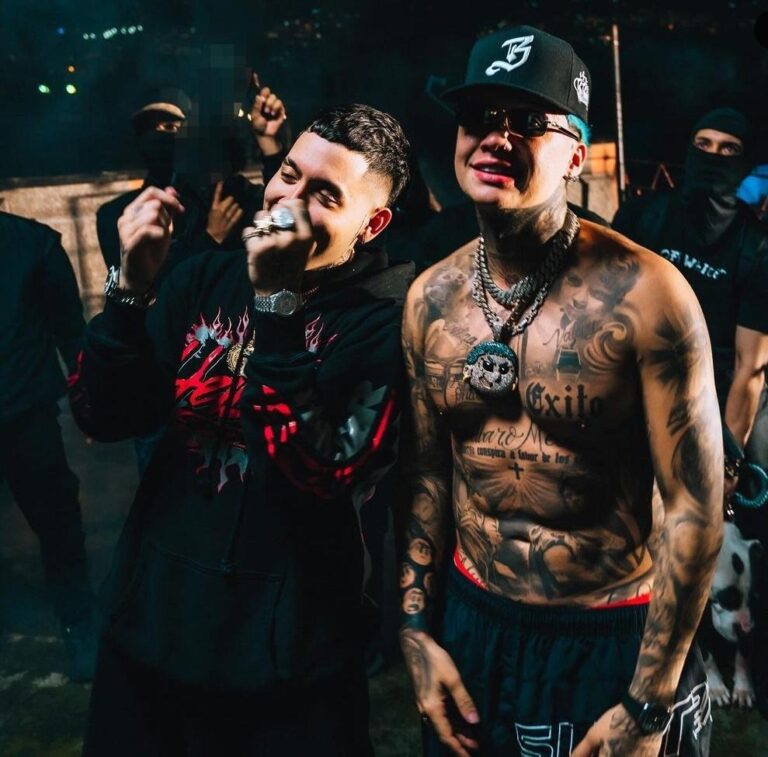
While new music releases often take the spotlight, the third week of February proved that Colombian hip-hop is just as alive off the streaming platforms. Across the country, live performances, cyphers, and street-level culture played a major role in shaping the scene. From small venues to open public spaces, artists continued building momentum through presence, performance, and direct connection with their audiences.
This week highlighted how Colombian hip-hop remains deeply rooted in community, relying on live energy and cultural exchange rather than industry push alone.
Medellín: Small Stages, Big Impact
In Medellín, hip-hop activity leaned heavily toward intimate shows and underground gatherings. Rather than large-scale concerts, artists focused on small venues, cultural centers, and neighborhood events where authenticity mattered more than production value.
Many rappers used these spaces to perform unreleased music, testing new sounds and flows in front of loyal supporters. These performances often doubled as content creation moments, with freestyle clips and crowd reactions later circulating online.
Cyphers remained a central element of Medellín’s culture this week. Local MCs gathered in informal settings, exchanging bars and building reputations through lyrical ability rather than digital numbers. This return to fundamentals continues to shape the city’s gritty, street-driven sound.
Bogotá: Hip-Hop as Dialogue and Expression
Bogotá maintained its role as Colombia’s lyrical and intellectual hip-hop hub. Events during the third week of February emphasized storytelling, social awareness, and artistic expression.
Freestyle sessions, poetry-infused rap performances, and community meetups created space for dialogue around identity, inequality, and urban life. Many of these gatherings blurred the line between performance and conversation, reinforcing hip-hop’s role as a voice for lived experience.
Bogotá-based collectives also used this week to spotlight emerging artists, offering open stages to new voices trying to break into the scene. These platforms remain crucial in sustaining the city’s conscious rap tradition.
Cali: Rhythm, Dance, and Cultural Fusion
In Cali, hip-hop activity leaned toward movement and rhythm. Events and informal gatherings incorporated elements of dance, percussion, and Afro-Colombian cultural expression.
Breakdancing and freestyle dance sessions complemented live rap performances, highlighting hip-hop as a full cultural movement rather than just music. This fusion of sound and movement continues to distinguish Cali’s scene from other cities.
Artists performing this week focused on energy and connection, often engaging directly with crowds rather than relying on structured stage setups. The result was a raw, communal atmosphere that reflected Cali’s deep cultural roots.
Street Culture and Visual Identity
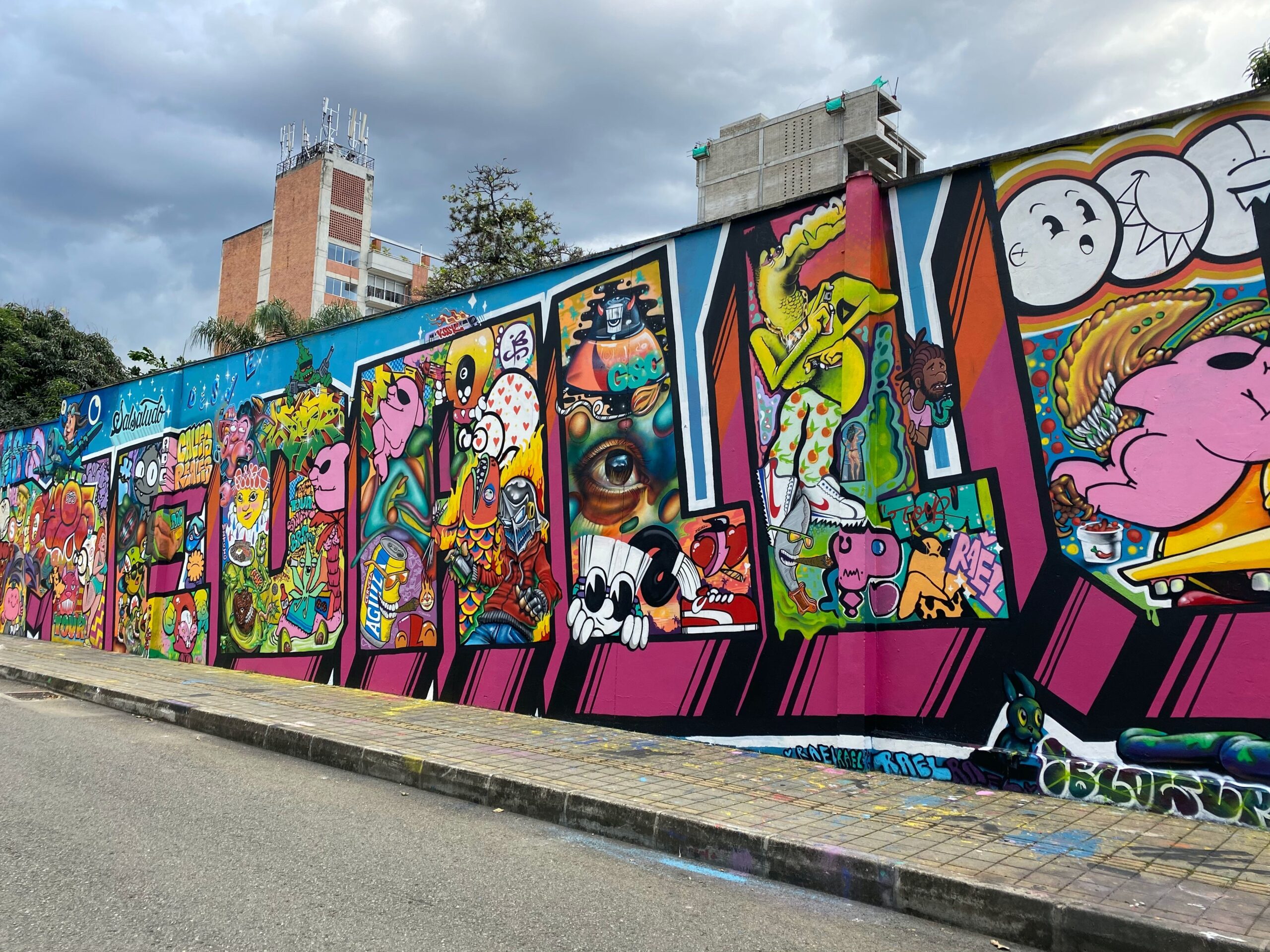
Beyond organized events, street culture played a major role throughout the week. Graffiti, murals, and urban art spaces served as both creative outlets and performance backdrops.
Many artists recorded freestyle videos and cyphers in public spaces, reinforcing the visual identity of Colombian hip-hop. These visuals emphasized realism, neighborhood pride, and cultural ownership, elements that resonate strongly with local audiences.
Streetwear also remained closely tied to the culture, with artists and fans alike expressing identity through fashion that reflects both global hip-hop influences and local style.
Why Live Culture Still Matters
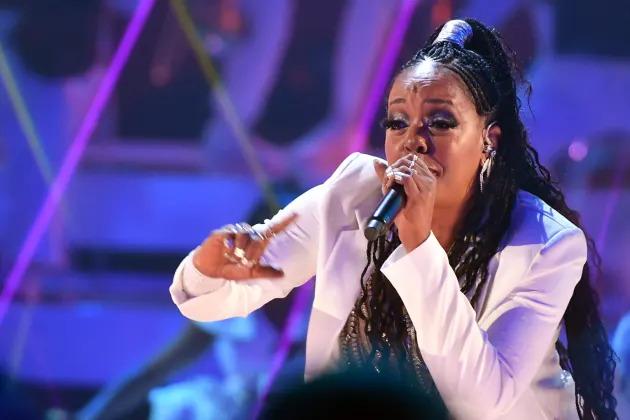
The third week of February showed why live shows and street culture remain essential to Colombian hip-hop’s growth. In a digital era dominated by algorithms, these in-person moments help artists build loyal followings that last beyond viral trends.
Live performances allow artists to sharpen their craft, refine their sound, and establish credibility within the community. They also create shared experiences that strengthen the culture as a whole.
Looking Ahead
As February moves toward its end, the energy built through live shows and street gatherings is expected to translate into upcoming releases and collaborations. Many artists who performed this week are preparing to drop new music, armed with feedback and momentum gained directly from their audiences.
Colombian hip-hop continues to grow from the ground up, and the events of this week confirm that the culture’s foundation remains strong.
About the Author