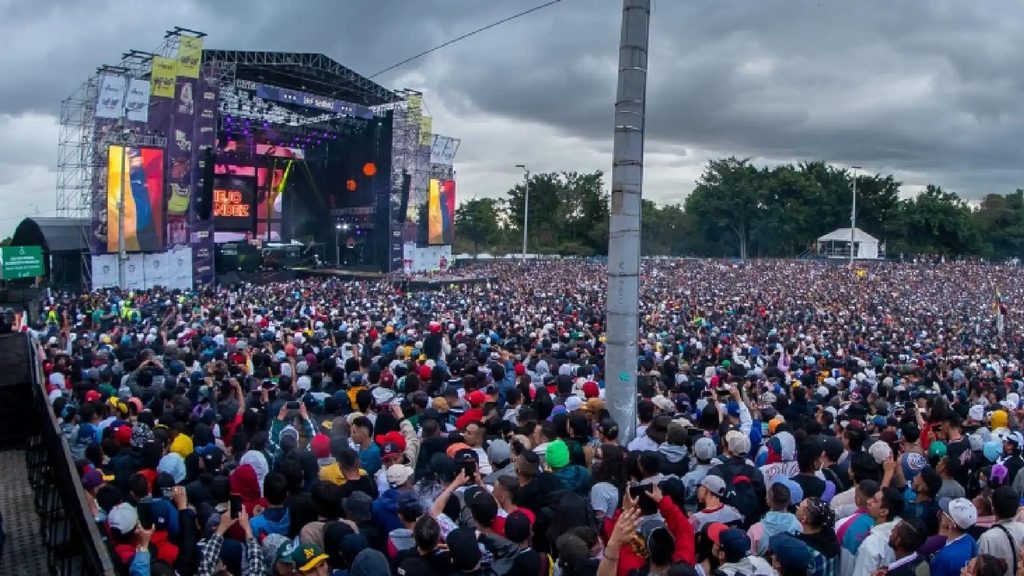
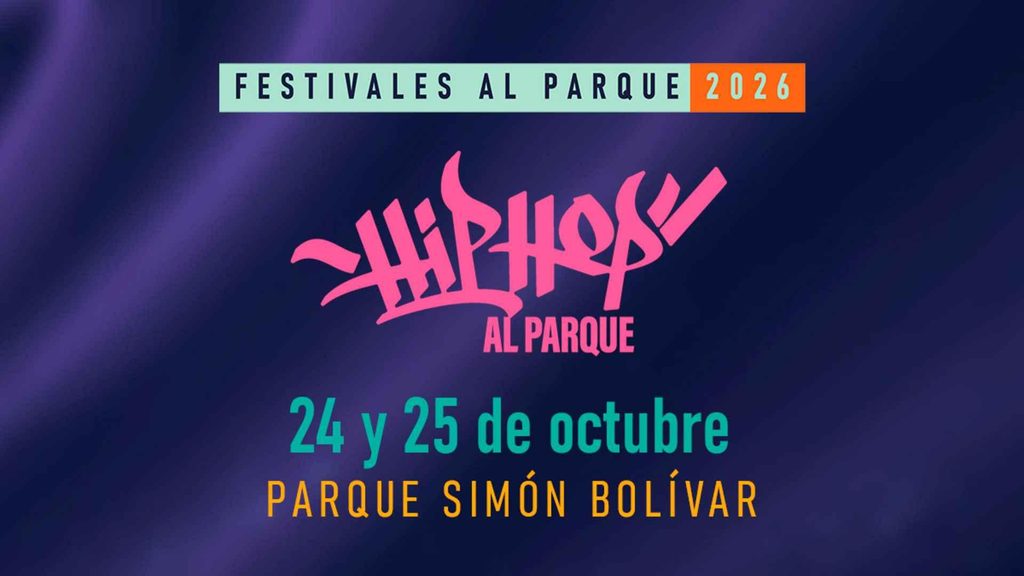
Bogotá, Colombia, is preparing to welcome another major celebration of hip-hop as Hip Hop al Parque 2026 takes over Parque Metropolitano Simón Bolívar on October 24 and 25. The 28th edition of the festival will bring together 28 national and international acts, placing Colombian rap alongside artists from the United States, Brazil, Chile, Mexico, France and Spain.
With free admission for attendees aged 14 and older, the festival continues a tradition of making hip-hop accessible to a broad public while creating opportunities for established artists, independent performers, DJs and dancers to share the same cultural space.
This year’s theme, “En la esquina se escribe la historia,” translates to “The Story Is Written on the Corner.” It recognizes the neighborhood corner as a place where music, identity, friendships and artistic movements take shape long before they reach a professional stage.
For Colombia’s hip-hop community, the festival represents more than a weekend of live performances. It is an opportunity to celebrate the country’s rap history, discover emerging voices and connect local artists with a wider international movement.
An International Lineup Connects Multiple Hip-Hop Scenes
One of the defining features of Hip Hop al Parque 2026 is the diversity of its international lineup. Rather than focusing on a single style or country, the festival brings together artists with different musical backgrounds, histories and approaches to rap.
Among the major international attractions are American MCs Rah Digga and Rampage, Brazilian group Da Guedes, Chilean rapper Portavoz alongside DJ Jopsen, Mexican artist Hispana, and French electronic hip-hop project Potsikei.
Spanish producer Eddy Mugre and Colombian artist Gaceloide will also appear as La Dupla, adding another cross-border collaboration to the program.
These artists represent different branches of hip-hop, from socially conscious lyricism and traditional boom bap to alternative production and experimental sounds. Their presence gives Bogotá audiences an opportunity to experience the breadth of the culture without limiting the festival to commercially dominant styles.
The international programming also reflects the way hip-hop has developed across different countries. Although its origins are rooted in the Bronx, New York, the culture has grown through local communities that adapt rap, DJing, dance and visual art to their own circumstances.
In Latin America, hip-hop has frequently provided a platform for artists to discuss inequality, identity, neighborhood life and political realities. Artists such as Portavoz have built reputations around socially reflective lyrics, while performers from other scenes bring different musical influences and personal experiences to the stage.
By placing these voices alongside Colombian artists, Hip Hop al Parque reinforces the idea that hip-hop is a global culture with many distinct local identities.
Rah Digga and Rampage Bring American Hip-Hop History to Bogotá
The appearance of Rah Digga and Rampage gives the festival a direct connection to American hip-hop history.
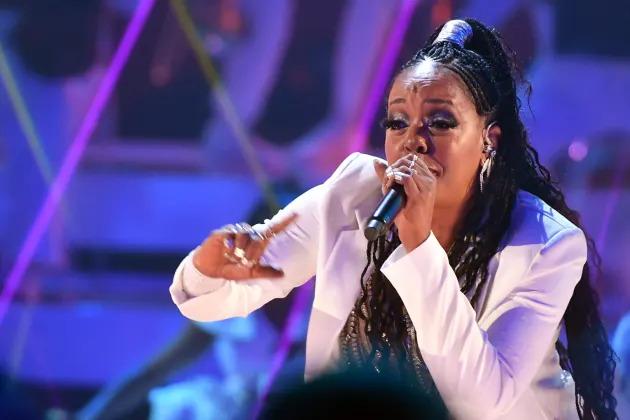
Rah Digga is widely recognized for her association with Flipmode Squad and her work alongside Busta Rhymes. Her reputation as a technically skilled MC has made her an important figure in conversations about women in hip-hop, particularly during an era when the genre’s mainstream spotlight was often dominated by male performers.
Her participation gives Colombian audiences an opportunity to experience a veteran rapper whose career developed during a significant period in American hip-hop.
Rampage, also associated with Flipmode Squad, adds another connection to that musical history. Together, the two performers bring a link between the legacy of East Coast rap and a contemporary international festival.
Their appearance is especially relevant to younger listeners discovering artists whose careers predate the dominance of streaming platforms and social media. For longtime fans, it offers an opportunity to connect the music’s history with the present generation of performers.
The inclusion of established American MCs also highlights the importance of international touring and cultural exchange. Artists can maintain audiences across borders through live performances, independent releases and the continuing influence of classic hip-hop records.
For Hip Hop al Parque, these connections help create a program that speaks to both longtime followers of the culture and younger audiences discovering its roots.
About the Author