By Eli Jesse
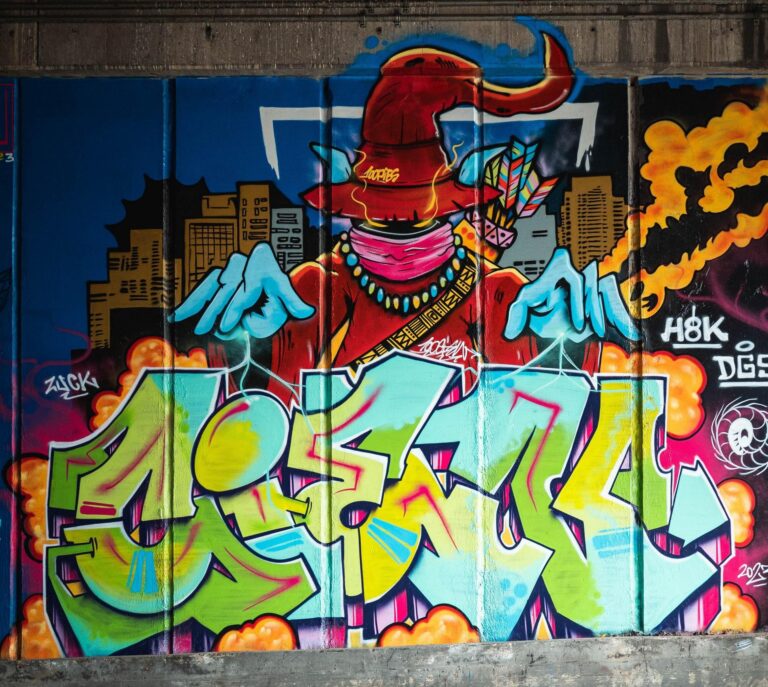
For years, Medellín has been considered the undisputed capital of Colombia’s urban music industry.
The city helped launch global stars, build influential recording networks, and establish Colombia as one of the world’s most important centers for reggaeton and trap music. Artists from Medellín have dominated streaming platforms, international tours, and industry headlines, creating a reputation that extends far beyond Latin America.
But in 2026, Colombia’s trap scene is no longer concentrated in one city.
While Medellín remains a powerhouse, artists from Bogotá, Cali, Barranquilla, and other regions are increasingly making their presence felt. The result is a more diverse and competitive urban music landscape that is helping shape the future of Colombian trap.
As regional scenes continue developing, many believe the country is entering a new era where talent can emerge from virtually anywhere.
Why Medellín Became Colombia’s Urban Capital
Before discussing the rise of new trap cities, it’s impossible to ignore Medellín’s influence.
The city has spent more than a decade building one of Latin America’s strongest urban music ecosystems. Recording studios, producers, managers, promoters, and artists created an environment capable of developing talent and exporting it to global audiences.
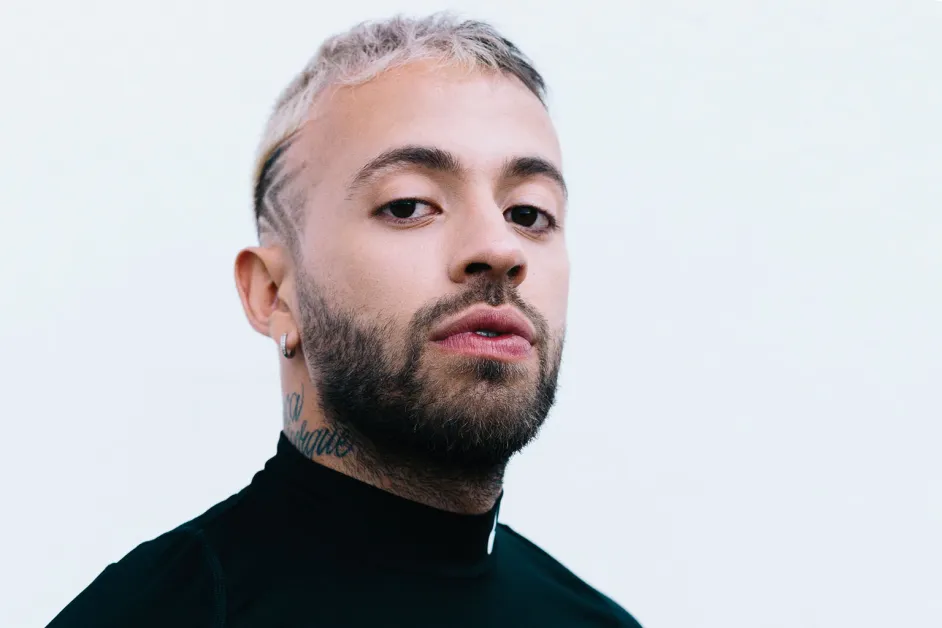
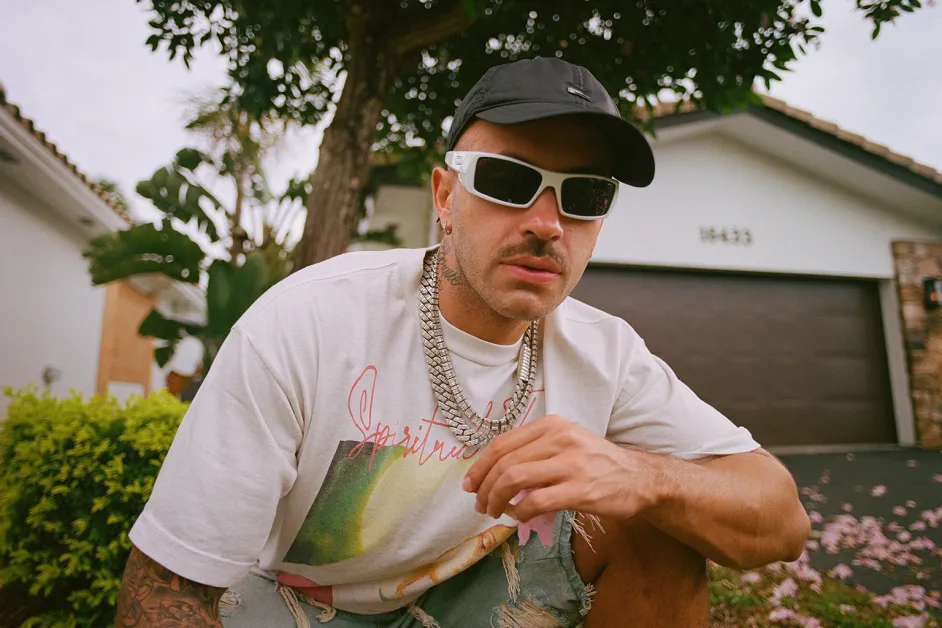
Some of the most influential names associated with Medellín include:
- Feid
- Ryan Castro
- Blessd
- Maluma
- J Balvin
- Reykon
Although some of these artists are more closely associated with reggaeton than trap, they helped build the infrastructure and global visibility that allowed trap music to flourish throughout Colombia.
In recent years, Ryan Castro and Blessd have become particularly important figures for younger audiences, combining street-oriented narratives with commercial success and helping bring Medellín’s urban culture to international markets.
Bogotá Is Creating Its Own Trap Identity
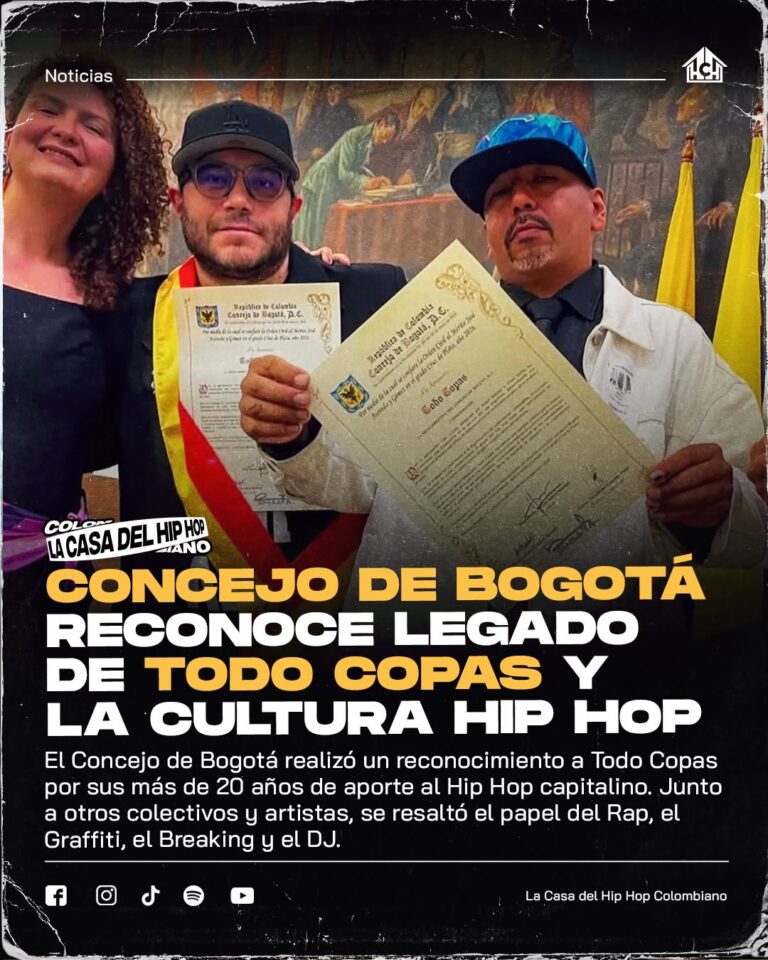
As Colombia’s capital city, Bogotá has always possessed a strong hip-hop tradition.
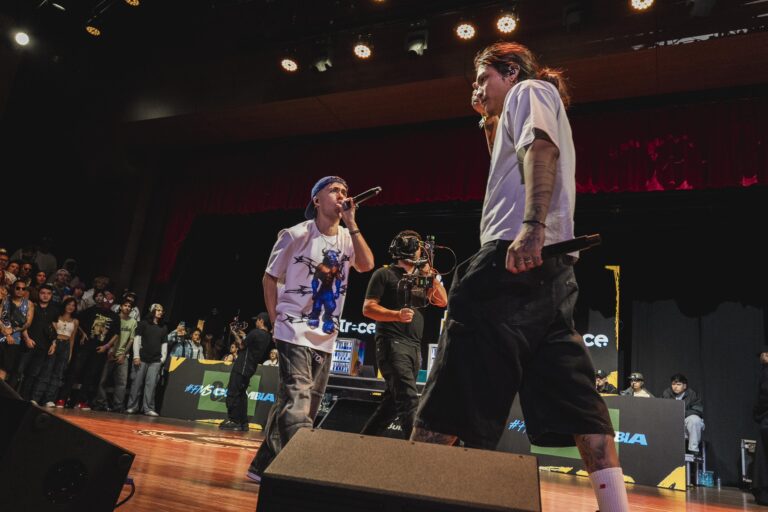
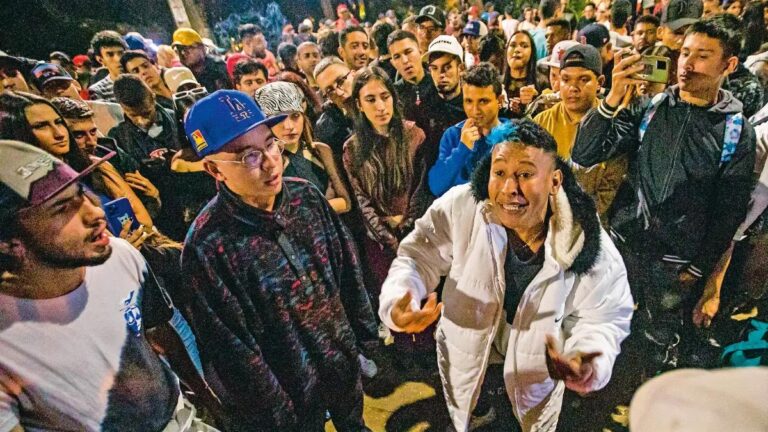
Historically known for lyrical rap, freestyle battles, and underground culture, the city is now developing a more active trap movement. Artists are increasingly blending Bogotá’s storytelling traditions with modern trap production, creating a sound that differs from Medellín’s melodic approach.
This evolution has allowed a new generation of performers to reach audiences beyond the traditional rap community.
Many emerging artists are using streaming platforms and social media to build careers independently, proving that major industry infrastructure is no longer limited to Medellín.
The result is a growing scene that combines authenticity, experimentation, and local identity.
Cali’s Urban Scene Continues Growing
Cali is also becoming a city to watch.
Known internationally for its dance culture and musical diversity, the city has seen increasing activity within the trap and urban music space. Young artists are embracing trap’s creative freedom while incorporating regional influences that help distinguish their music from scenes elsewhere in the country.
The growth of independent studios, local promoters, and digital marketing has made it easier for Cali-based artists to reach national audiences.
As a result, the city’s contribution to Colombian trap continues expanding.
The Internet Has Changed the Rules
One reason new trap cities are emerging is because artists no longer need to relocate to Medellín to achieve visibility.
Streaming services such as Spotify, YouTube, Apple Music, and TikTok allow musicians to reach listeners directly. A viral song can generate national attention regardless of where it was recorded.
This shift has dramatically reduced the importance of geography.
Artists from smaller cities can now compete alongside performers from Colombia’s traditional music centers, helping create a more balanced and diverse industry.
The democratization of music distribution has become one of the biggest drivers behind Colombia’s expanding trap movement.
Independent Artists Are Leading the Expansion
Many of the artists helping grow these regional scenes are doing so independently.
Without relying on major labels, they are building audiences through consistent releases, social media engagement, and direct fan relationships. This entrepreneurial mindset has become increasingly common among younger musicians.
The independent approach allows artists to maintain creative freedom while representing the cities and communities that shaped them.
As more success stories emerge, regional scenes gain confidence and visibility.
A More Diverse Future for Colombian Trap
The expansion of trap beyond Medellín is creating new opportunities for artists and fans alike.
Different cities bring different experiences, cultural influences, and perspectives. This diversity enriches the music itself, leading to a wider range of sounds and stories.
Rather than replacing Medellín’s influence, these emerging scenes are complementing it.
The result is a stronger national movement capable of supporting multiple regional identities while contributing to Colombia’s growing reputation within global urban music.
Looking Ahead
Medellín remains the heart of Colombia’s urban music industry, and artists such as Feid, Ryan Castro, Blessd, Maluma, and J Balvin continue to play major roles in shaping its future.
However, the rise of Bogotá, Cali, and other emerging trap cities suggests that Colombia’s next generation of stars may come from a much wider range of places.
As streaming platforms continue breaking down barriers and independent artists gain greater control over their careers, the country’s urban music landscape will likely become even more diverse.
For fans of Colombian trap, that is exciting news.
The future of the genre is no longer being written by one city alone. It is being shaped by an entire nation.
Slug: rise-of-colombias-new-trap-cities
Meta Description: Medellín remains Colombia’s urban music capital, but trap artists from Bogotá, Cali, and other cities are helping reshape the country’s rapidly growing trap scene.
Tags: Colombian Trap, Medellín Trap, Bogotá Hip-Hop, Cali Urban Music, Ryan Castro, Blessd, Feid, Colombia Rap, Latin Trap, Urban Music News
Keywords: Colombian trap, Medellín rappers, Ryan Castro, Blessd, Feid, Colombia urban music, Bogotá trap artists, Cali trap scene, Colombian rap news, Latin trap 2026
About the Author