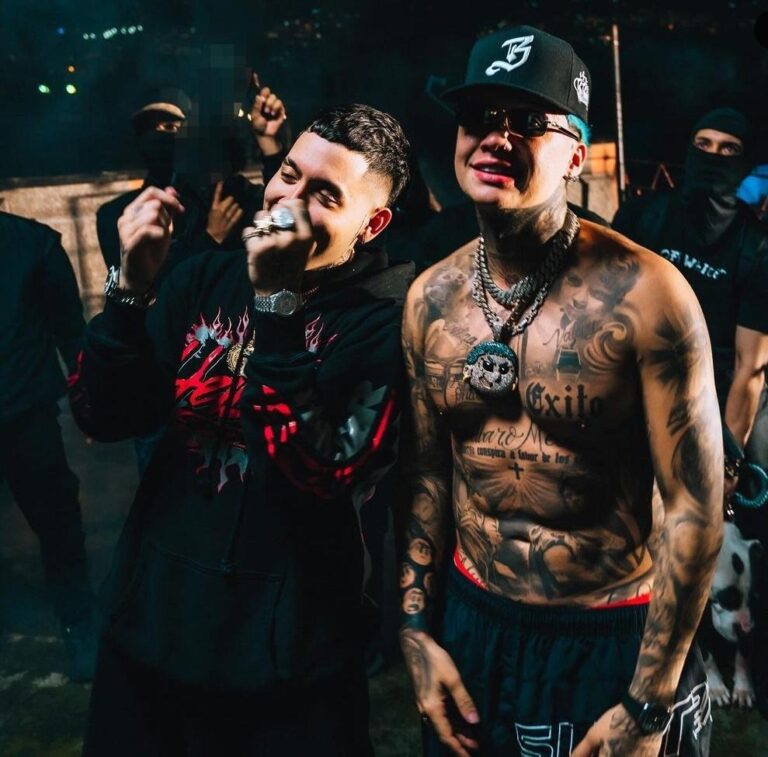
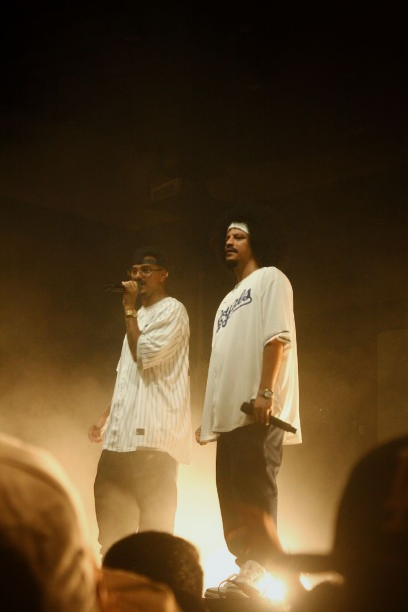
As February came to a close, Colombian hip-hop showed that its strength goes far beyond music releases. The fourth week of the month highlighted how community engagement, youth movements, and cultural responsibility continue to shape the scene’s future. Across cities, hip-hop functioned as education, therapy, protest, and identity, proving its role as a living culture rather than just an industry.
This week emphasized continuity. While new artists emerged and established names stayed active, the real focus was on how hip-hop is being passed forward and protected.
Youth at the Center of the Culture
In Bogotá, youth-centered initiatives gained attention during the final week of February. Local workshops, open-mic sessions, and freestyle meetups welcomed young rappers, dancers, and writers looking for their first entry point into the culture.
Hip-hop served as a safe space for expression, especially for young people navigating social pressure, economic challenges, and identity questions. Older artists played mentorship roles, guiding newcomers on lyrical development, performance confidence, and cultural awareness.
These interactions showed how Colombian hip-hop continues to renew itself organically through younger generations.
Medellín’s Community-Based Hip-Hop Model
In Medellín, the fourth week of February reinforced the city’s reputation for community-rooted hip-hop. Events took place in cultural centers, public spaces, and neighborhood venues rather than commercial stages.
Artists used music as a tool to reflect on local realities while inspiring ambition and resilience. Rap here was not separated from daily life; it mirrored it. This grounding helped maintain trust between artists and listeners, especially in communities where hip-hop has long been a voice for survival and transformation.
The Medellín model continues to influence how other cities approach grassroots development.
Cali and Cultural Preservation Through Hip-Hop
In Cali, the focus this week leaned toward cultural preservation. Hip-hop events incorporated dance, storytelling, and Afro-Colombian heritage, reinforcing the genre’s role as a bridge between tradition and modern expression.
Young artists in Cali are increasingly aware of their cultural responsibility. Rather than copying external sounds, many are intentionally grounding their music in local rhythm, language, and experience. This approach strengthens identity and ensures that Colombian hip-hop remains distinct on a global scale.
Women and Representation in the Scene
The fourth week of February also brought renewed attention to women’s presence in Colombian hip-hop. Female rappers, DJs, dancers, and visual artists continued carving space in a culture that has historically leaned male-dominated.
Rather than demanding attention, many women led through consistency and skill. Their involvement in workshops, performances, and creative direction contributed to a more balanced and inclusive scene. Representation this week felt natural, not performative, signaling slow but real progress.
Hip-Hop as Education and Awareness
Beyond entertainment, hip-hop this week functioned as a form of education. Lyrics addressed mental health, self-worth, social injustice, and community pride. Discussions around the culture emphasized responsibility, reminding artists that influence comes with accountability.
Workshops and informal talks focused on discipline, respect, and artistic integrity. These conversations matter, especially as younger audiences look to hip-hop figures for guidance and inspiration.
Building Toward the Next Phase
As February ended, it became clear that Colombian hip-hop is building toward a larger moment rather than chasing instant success. The seeds planted through mentorship, community work, and cultural preservation are expected to bloom later in the year through stronger projects and more confident artists.
March is anticipated to bring new releases from artists who used February to refine their craft quietly. The foundation laid during the fourth week suggests a scene moving with patience and purpose.
Why This Week Matters
The fourth week of February showed that Colombian hip-hop’s future is being shaped intentionally. Community matters as much as numbers. Culture matters as much as sound. And growth is happening without losing identity.
This balance between progress and preservation is what continues to set Colombian hip-hop apart. The culture is not just surviving; it is preparing for longevity.
About the Author