By Eli Jesse
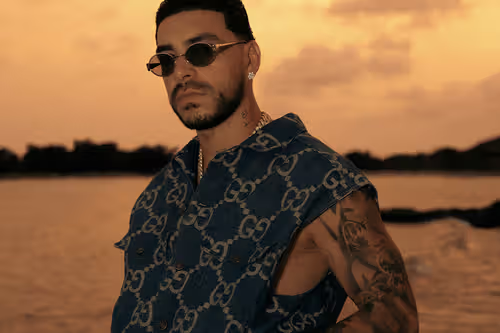
For years, Ryan Castro has been recognized as one of Colombia’s biggest urbano stars, building a massive following through reggaeton hits, melodic hooks, and energetic performances. However, in 2026, a growing number of hip-hop fans and industry observers are beginning to view him through a different lens.
While Castro remains firmly rooted in the urbano movement, his recent work has increasingly incorporated rap-focused elements, sparking conversations about his role in Colombia’s evolving hip-hop landscape. The Medellín-born artist has become one of the most visible examples of how the boundaries between reggaeton, trap, and rap continue to blur across Latin America.
As Colombian hip-hop experiences a period of growth and international recognition, Ryan Castro’s influence is becoming difficult to ignore.
More Than a Reggaeton Artist
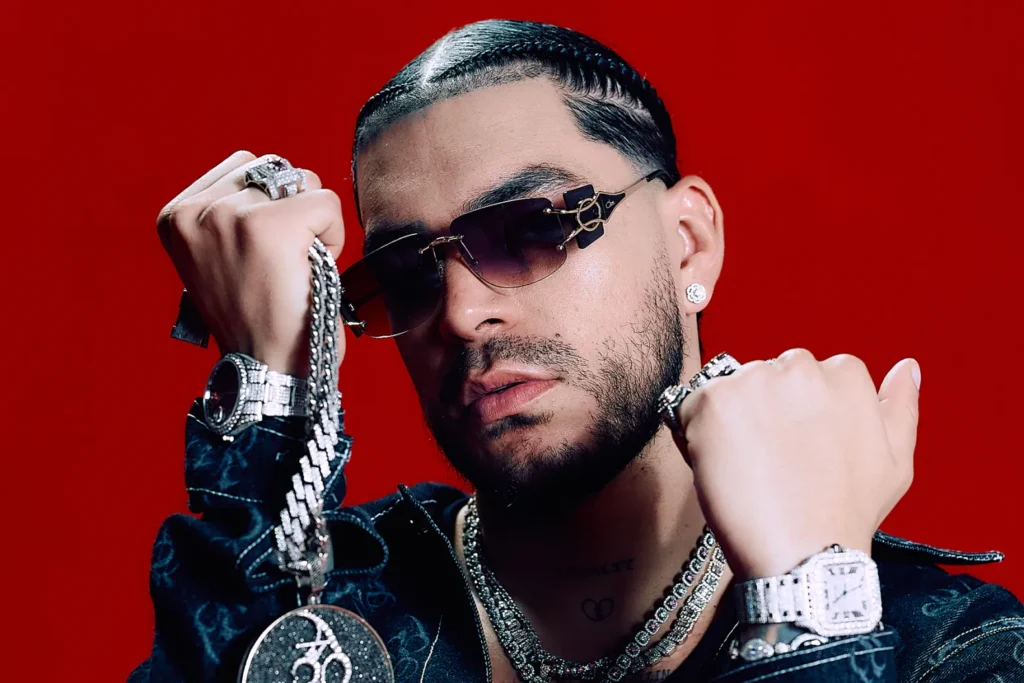
When many fans first discovered Ryan Castro, it was through infectious reggaeton records that dominated playlists, radio stations, and streaming charts throughout Latin America.
His ability to create catchy songs helped him quickly become one of Colombia’s most successful urban artists. Yet behind the commercial success, Castro’s music has consistently contained elements borrowed from hip-hop culture.
From rhythmic flows and street-oriented storytelling to collaborations with rap artists, his catalog has often reflected the influence of rap music even when packaged within commercially accessible formats.
In recent years, those influences have become increasingly noticeable.
Rather than relying exclusively on melodic performances, Castro has experimented with more aggressive flows, lyrical verses, and production styles that draw inspiration from contemporary rap and trap movements.
This evolution has expanded his appeal beyond traditional reggaeton audiences.
Bridging Two Worlds
One of Ryan Castro’s greatest strengths is his ability to connect different segments of urban music culture.
For many listeners, reggaeton serves as an entry point into broader conversations about hip-hop, trap, and street culture. Castro’s music often occupies the space between those worlds, allowing him to introduce rap-inspired sounds to audiences that might not typically engage with traditional hip-hop.
This crossover appeal is particularly important in Colombia, where rap and urbano music have developed alongside each other while maintaining distinct identities.
Artists capable of navigating both spaces can play a significant role in expanding audiences for the entire culture.
Castro’s growing influence demonstrates how modern artists no longer feel restricted by genre labels. Instead, many are creating music that draws inspiration from multiple traditions while remaining authentic to their personal experiences.
Colombia’s Urban Music Evolution
The discussion surrounding Ryan Castro arrives at a time when Colombia’s urban music scene is undergoing significant transformation.
For much of the last decade, reggaeton dominated conversations surrounding Colombian music exports. Artists such as J Balvin, Karol G, Maluma, and Feid helped establish the country as a global powerhouse within the genre.
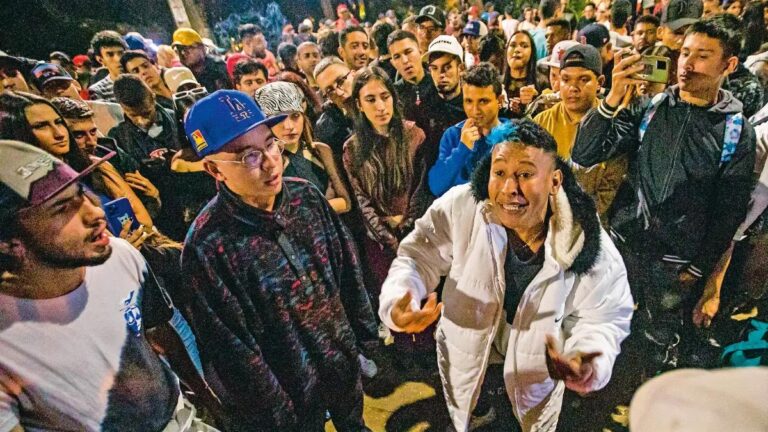
At the same time, Colombia’s hip-hop community continued developing through underground scenes in cities like Medellín, Bogotá, and Cali.
Today, those worlds are intersecting more frequently than ever.
A new generation of artists is blending rap lyricism, trap production, reggaeton rhythms, and melodic songwriting into hybrid styles that appeal to diverse audiences. Ryan Castro has emerged as one of the most successful representatives of this movement.
His ability to move comfortably between commercial and street-oriented sounds reflects broader changes occurring throughout Latin American music.
Hip-Hop Culture’s Expanding Reach
Ryan Castro’s growing connection to rap culture also highlights hip-hop’s increasing influence across Colombia.
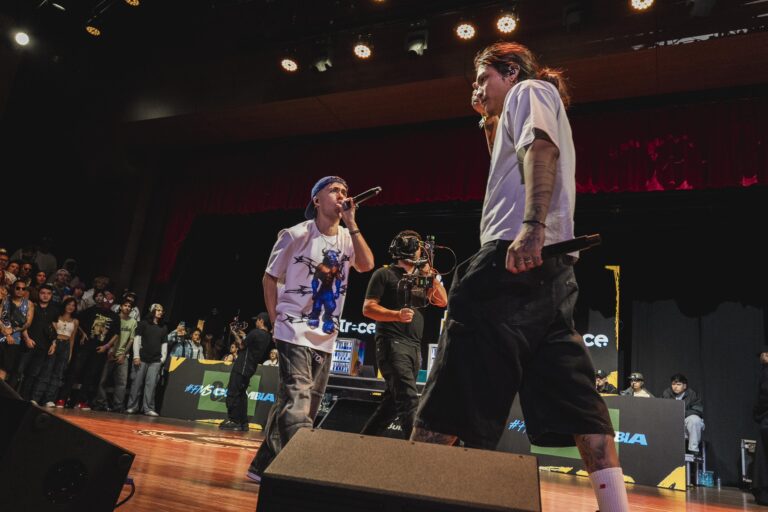
Elements that once existed primarily within underground communities have become central to mainstream urban music. Rap flows, freestyle techniques, street narratives, and hip-hop aesthetics now appear regularly in commercially successful releases.
This shift has created opportunities for collaboration between artists from different backgrounds and musical traditions.
For hip-hop fans, the trend presents both challenges and opportunities. While some purists remain cautious about the commercialization of rap influences, others view the increased visibility as a positive development that introduces new listeners to the culture.
Castro’s success demonstrates how hip-hop’s influence continues expanding without necessarily replacing other genres.
Instead, it is becoming an increasingly important ingredient within the broader urban music ecosystem.
Looking Toward the Future
As 2026 continues, Ryan Castro’s artistic direction will remain a topic of interest throughout Colombia’s music industry.
His willingness to experiment with rap-inspired sounds suggests that future releases may continue exploring the space between reggaeton, trap, and hip-hop. If that trend continues, he could play an even larger role in shaping how international audiences perceive Colombian urban music.
The artist’s growing influence also reflects a larger reality: genre boundaries are becoming less important than they once were.
Modern listeners often move seamlessly between rap, reggaeton, trap, and melodic urban music. Artists who understand this shift are finding new ways to connect with audiences while expanding the possibilities of contemporary Latin music.
A Key Figure in Colombia’s New Urban Era
Whether viewed as a reggaeton star, an urbano artist, or an increasingly rap-influenced performer, Ryan Castro has become one of Colombia’s most significant musical voices.
His ability to bridge mainstream popularity and street credibility places him in a unique position within the country’s rapidly evolving music scene.
As Colombia continues producing artists capable of influencing global trends, Castro’s role is likely to become even more important.
For now, one thing is clear: Ryan Castro is no longer just participating in the conversation about Colombian hip-hop’s future. He is helping shape it.
About the Author