By Eli Jesse
The Colombian hip-hop scene is experiencing a major shift in 2026, and it has little to do with musical trends.
Instead, the biggest change may be happening behind the scenes.
Across Bogotá, Medellín, Cali, and other cities, a growing number of Colombian rappers are choosing to remain independent rather than signing traditional record deals. Thanks to streaming platforms, social media marketing, digital distribution services, and direct fan engagement, artists now have more control over their careers than ever before.
While major labels still play an important role in the music industry, many artists are discovering that independence can offer greater creative freedom, ownership, and long-term financial benefits.
As a result, the independent movement has become one of the defining stories in Colombian hip-hop.
The New Era of Independent Colombian Rap
Just a decade ago, most artists viewed record deals as the ultimate goal.
Labels provided access to recording budgets, marketing teams, distribution networks, and industry connections that were difficult to obtain independently.
Today, the landscape looks very different.
Platforms such as Spotify, YouTube, Apple Music, TikTok, and Instagram allow artists to reach millions of listeners without needing a traditional label structure. Music can be distributed globally within days, while social media enables direct communication with fans.
This transformation has dramatically lowered the barriers to entry for emerging artists.
Instead of waiting for industry gatekeepers to approve their careers, rappers can now build audiences on their own terms.
Nanpa Básico Shows the Power of Building a Loyal Audience
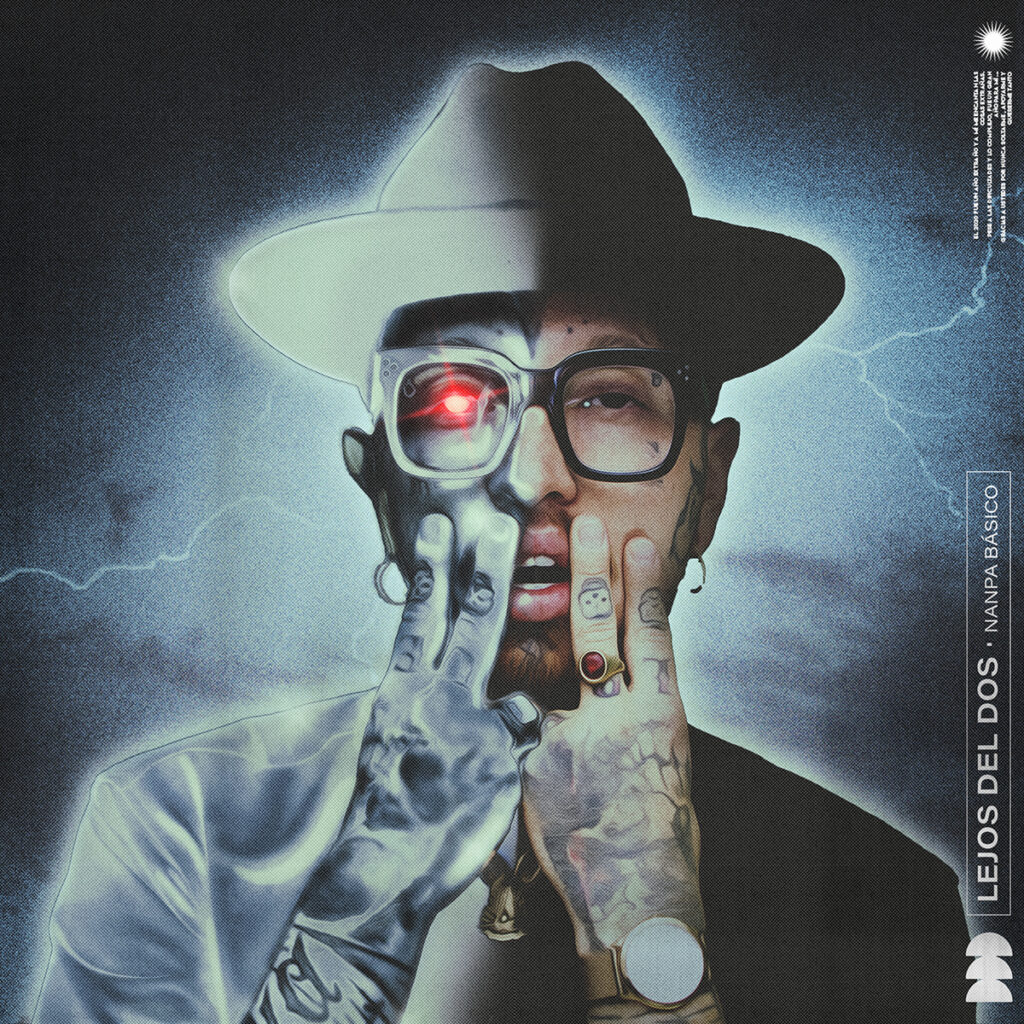
One of Colombia’s most respected rap voices, Nanpa Básico, offers an example of how artists can cultivate strong fan support through authenticity and consistency.
While he has worked within various industry structures throughout his career, much of his success has been driven by the loyalty of fans who connect with his storytelling and lyrical approach.
His ability to maintain a dedicated audience demonstrates that strong artist-fan relationships can be just as valuable as traditional industry backing.
For many younger Colombian rappers, Nanpa’s career serves as proof that authenticity remains one of the most important assets in music.
Independent Trap Artists Are Finding Success
The rise of artists such as Kris R highlights another important trend.
Through projects like El Trap de Kolombia, Kris R has built significant momentum by leveraging digital platforms and online engagement. His success reflects how independent and emerging artists can now gain national attention without relying exclusively on major labels.
Similarly, numerous underground rappers throughout Medellín and Bogotá are using streaming platforms to develop audiences before ever considering formal label partnerships.
For many artists, independence is no longer viewed as a temporary stage but as a long-term strategy.
Ownership Matters More Than Ever
One of the primary reasons artists choose independence is ownership.
Traditional record contracts often require artists to surrender significant control over their recordings, publishing rights, and business decisions. Independent artists, on the other hand, typically retain ownership of their music and intellectual property.
This ownership can create long-term revenue opportunities through streaming royalties, licensing agreements, merchandise sales, and future catalog value.
As more musicians educate themselves about the business side of the industry, ownership has become a central topic within Colombia’s hip-hop community.
Many artists are asking a simple question:
Why give away control if the tools to succeed independently already exist?
Social Media Has Changed Everything
The influence of social media cannot be overstated.
Platforms such as TikTok, Instagram Reels, YouTube Shorts, and X allow artists to build audiences without massive promotional budgets. Viral clips, freestyle videos, behind-the-scenes content, and direct interaction with fans can generate significant exposure.
For Colombian rappers, this creates opportunities that previous generations simply did not have.
An artist in Bogotá can now reach listeners in Mexico, Spain, Argentina, and the United States without leaving home.
The ability to market directly to fans has become one of the strongest arguments for staying independent.
The Rise of Entrepreneurial Artists
Modern rappers are increasingly thinking like entrepreneurs.
Rather than focusing solely on music, many artists are building personal brands that include merchandise, live events, content creation, and business partnerships.
This approach allows musicians to diversify income streams while maintaining creative control.
The trend is particularly visible among younger Colombian artists who view ownership, branding, and digital marketing as essential parts of their careers.
For them, independence represents opportunity rather than limitation.
Challenges Still Exist
Despite its advantages, independence is not without challenges.
Artists must often manage marketing, budgeting, promotion, and business operations themselves. Without label support, funding larger projects can also be difficult.
Success requires discipline, strategic planning, and a strong understanding of both music and business.
However, many Colombian rappers believe the benefits outweigh the risks.
They see independence as a path toward building sustainable careers while maintaining control over their artistic vision.
The Future of Colombian Hip-Hop
As the Colombian rap scene continues growing, independent artists are likely to play an even larger role in shaping its future.
The combination of streaming platforms, social media, affordable distribution, and direct fan engagement has fundamentally changed how careers are built.
Artists no longer need permission to succeed.
Instead, they can create music, build audiences, and generate revenue on their own terms.
For Colombian hip-hop, this shift represents more than a business trend. It reflects a broader movement toward ownership, empowerment, and creative freedom.
In 2026, more Colombian rappers are staying independent because they recognize something increasingly valuable in today’s music industry:
Control of your career may be worth more than a record deal.
Slug: why-more-colombian-rappers-are-staying-independent-in-2026
Tags: Colombian Hip-Hop, Independent Artists, Colombian Rappers, Latin Hip-Hop, Independent Rap, Bogotá Rap, Medellín Rap, Music Business, Streaming Platforms, Hip-Hop News
About the Author