By Eli Jesse
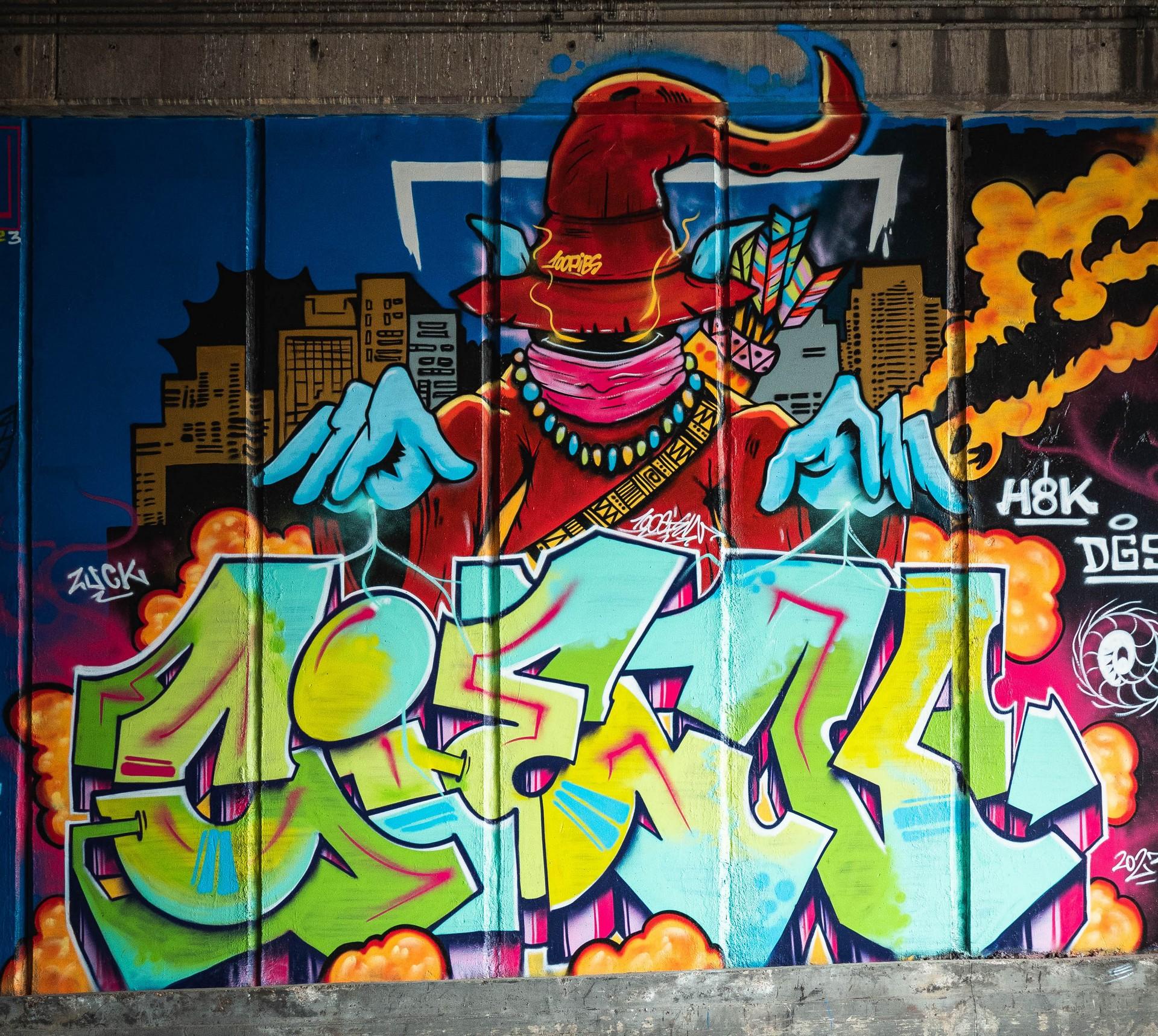
Bogotá’s vibrant graffiti scene continues to be one of the defining pillars of Colombia’s hip-hop culture, with artists across the capital creating new murals and participating in community art projects that celebrate creativity, identity, and social expression. This week’s activity once again demonstrated that graffiti remains far more than decorative public art—it is a powerful form of storytelling that reflects the voices and experiences of local communities.
As one of the four foundational elements of hip-hop, alongside MCing, DJing, and breakdancing, graffiti has long played an essential role in shaping Bogotá’s urban identity. Across the city, colorful murals transform walls, bridges, and public spaces into open-air galleries that showcase both artistic talent and cultural heritage.
Public Spaces Become Canvases for Expression
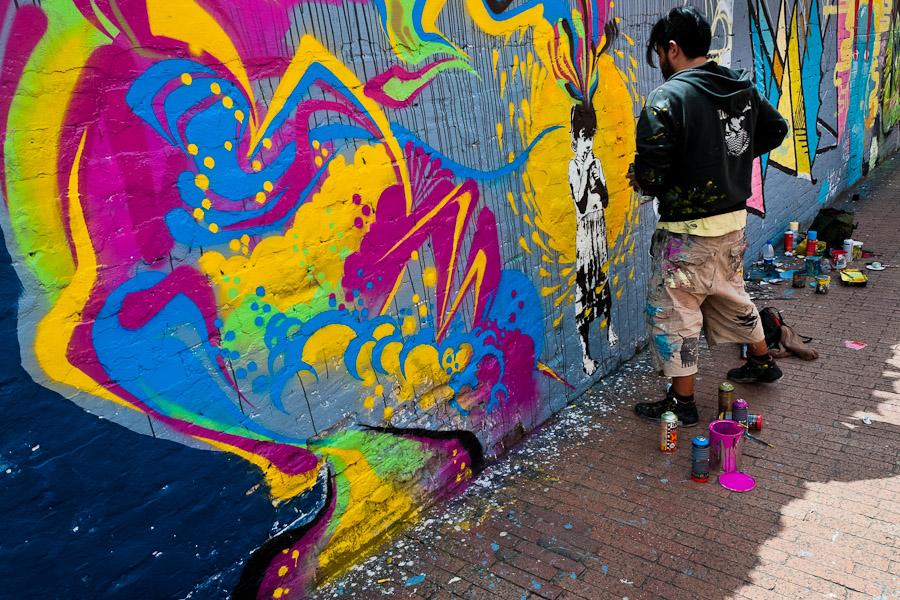
Throughout Bogotá, street artists continue using public spaces to create large-scale murals that capture the energy of the city’s neighborhoods.
Many of this week’s projects focused on themes of unity, resilience, youth empowerment, and Colombian identity. By blending bold lettering, vibrant colors, realistic portraits, and symbolic imagery, artists are producing works that encourage conversation while adding character to the city’s streets.
These murals have become landmarks in many communities, attracting residents, visitors, photographers, and art enthusiasts who view Bogotá as one of Latin America’s leading destinations for street art.
Graffiti and Hip-Hop Share the Same Roots
Graffiti has always been closely connected to hip-hop culture.
Like rap music, it provides a platform for individuals to express their experiences, challenge stereotypes, and tell stories that might otherwise go unheard. In Bogotá, graffiti artists often collaborate with rappers, DJs, photographers, and event organizers during festivals, neighborhood celebrations, and cultural exhibitions.
This collaboration reinforces the idea that hip-hop is more than music—it’s a movement that combines multiple forms of creative expression into a shared cultural identity.
Community Projects Inspire the Next Generation
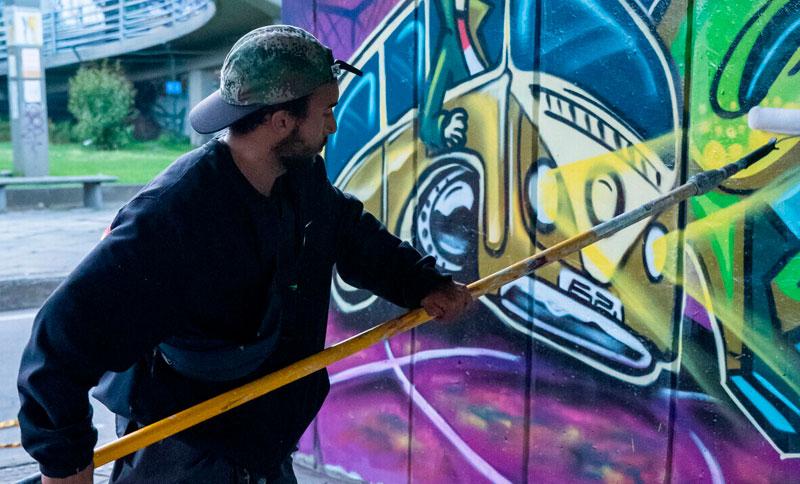
One of the most encouraging developments within Bogotá’s graffiti scene is the growing number of community-led art initiatives.
Local organizations and neighborhood groups continue organizing mural projects and workshops that introduce young people to graffiti as an artistic discipline rather than an act of vandalism. Experienced artists mentor newcomers by teaching design techniques, color theory, spray-paint control, and the history of hip-hop culture.
These programs provide young creatives with positive opportunities to develop their talents while strengthening their connection to their communities.
Festivals Continue Showcasing Urban Art
Bogotá’s major hip-hop festivals remain important platforms for graffiti artists.
Events such as Hip Hop al Parque regularly include live mural painting alongside rap performances, DJ showcases, freestyle battles, and breakdance competitions. Thousands of festival attendees watch artists create large-scale works in real time, highlighting graffiti as an essential component of the broader hip-hop experience.
These exhibitions also allow emerging artists to gain visibility while connecting with fellow creatives from across Colombia and Latin America.
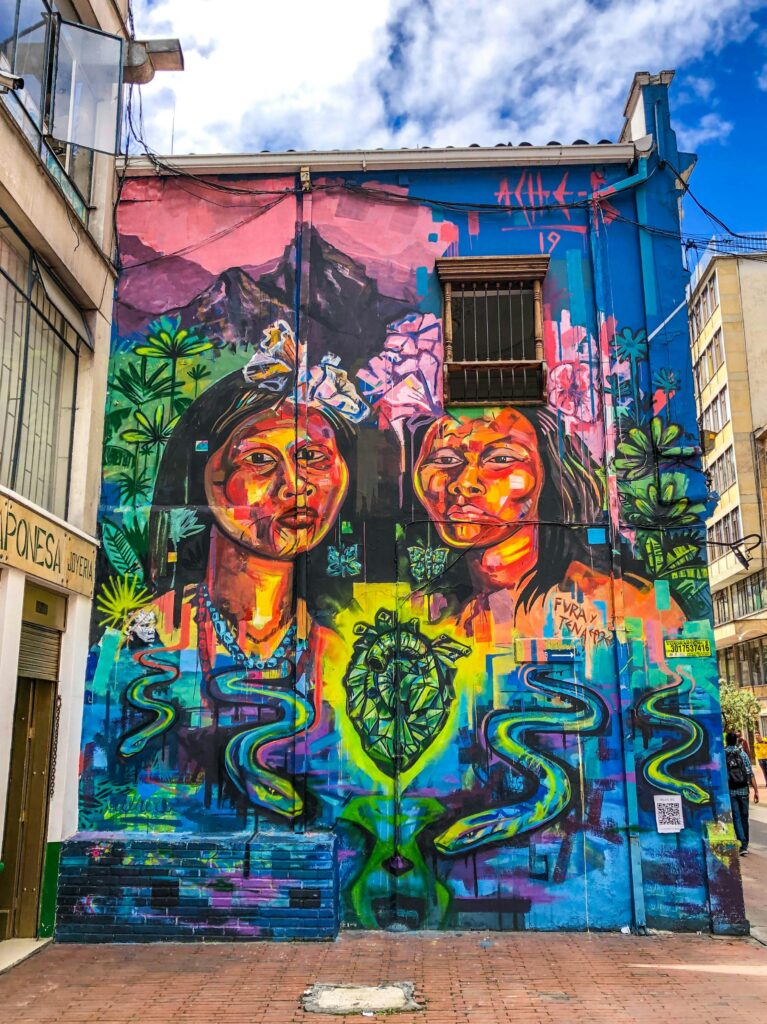
Street Art Strengthens Bogotá’s Cultural Identity
Over the years, Bogotá has earned international recognition for its thriving street art culture.
The city’s murals have become symbols of creativity, resilience, and artistic freedom, drawing visitors interested in exploring neighborhoods known for their vibrant urban artwork. For many residents, graffiti has become an important part of Bogotá’s cultural identity, transforming everyday spaces into expressions of history, hope, and community pride.
This continued support for public art has helped the city build a reputation as one of the most visually dynamic urban centers in the region.
Looking Ahead
As new murals continue to appear across Bogotá, the city’s graffiti movement shows no signs of slowing down.
Artists remain committed to using walls as canvases for meaningful expression while preserving graffiti’s place within Colombia’s hip-hop culture. Their work not only beautifies public spaces but also keeps alive the creative spirit that has defined hip-hop for generations.
With community projects expanding and urban art receiving greater recognition, Bogotá’s graffiti scene continues to prove that street art is not simply an accessory to hip-hop—it is one of its strongest and most enduring voices.
About the Author