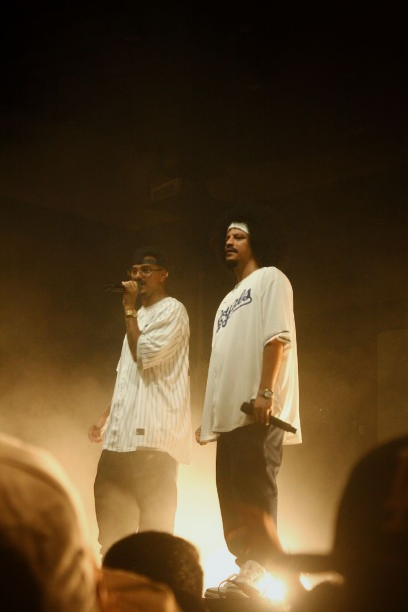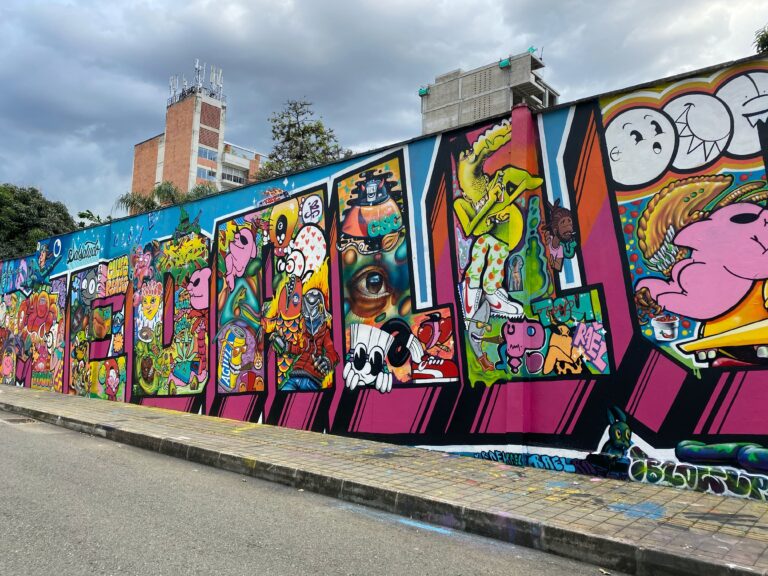
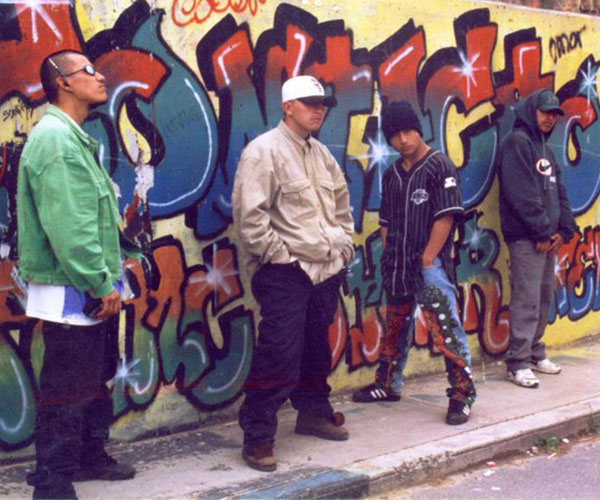
Colombia’s earliest contact with hip-hop didn’t come from radio. It came from people.
In the mid-to-late ’80s, Colombians traveling to New York, Miami, Panama, and the Caribbean started bringing back tapes—Run-D.M.C., Grandmaster Flash, LL Cool J, the Beat Street movie, and random street recordings of breakdance battles.
Sailors who passed through Cartagena or Buenaventura carried cassettes and VHS recordings they picked up from U.S. ports. Many didn’t think they were transporting a new culture. To them, it was just cool American street music. But for kids in Colombia’s barrios, it was a portal.
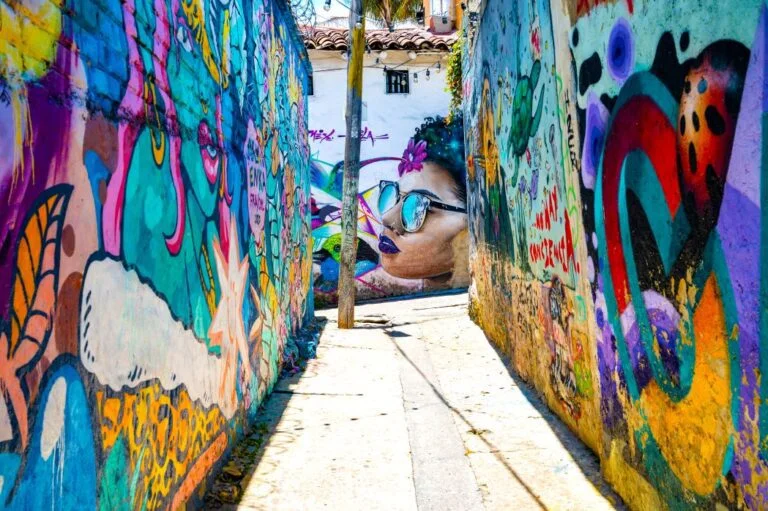
Those tapes circulated through entire cities: one copy duplicated hundreds of times, then passed hand-to-hand. A single breakdance movie could ignite a whole movement.
Bogotá: The First Breakdance Explosion
Bogotá was the first city where hip-hop energy erupted on the streets.
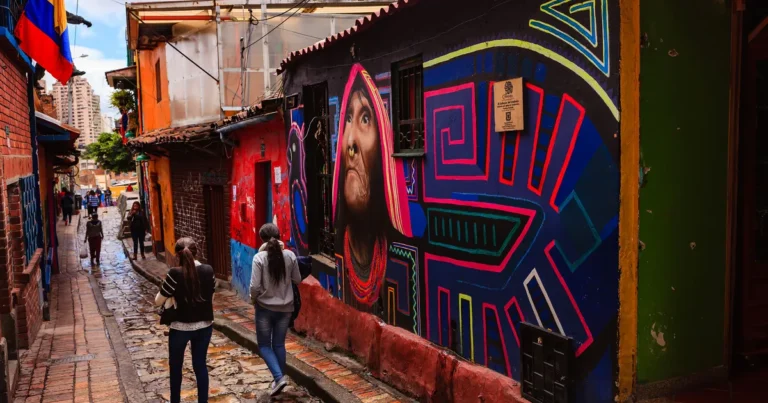
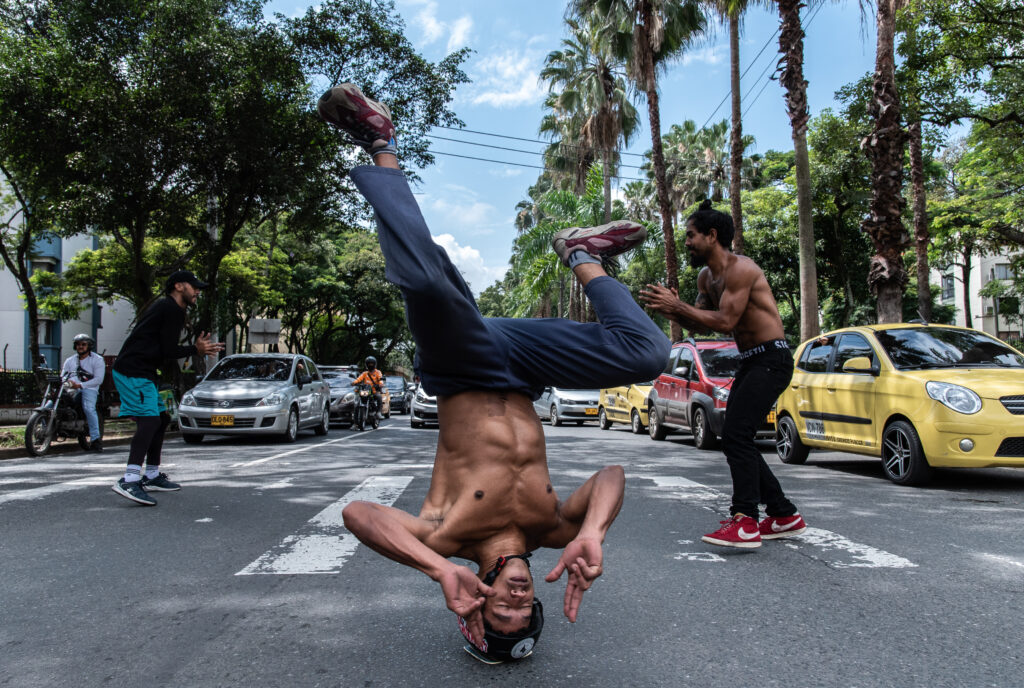
In the late ’80s, downtown zones like San Victorino, Las Cruces, and Chapinero became meeting points for young breakers who tried copying moves they saw on low-quality VHS films. Floors were uneven, the sound systems were terrible, and the moves were often improvised—but the energy was electric.
Early crews like the precursors to Rocking Star, The City Breakers, and other street groups gathered in plazas, bus terminals, and school yards. Breakdance became the first Colombian hip-hop language, long before rap became dominant.
Street vendors even started selling pirated tapes of Breakin’, Beat Street, and random U.S. hip-hop compilations. Kids watched them until the tapes physically wore out.
Cali: The Dance Capital Finds a New Groove
Cali already had a reputation for dance—salsa, folklore, and street styles. When breakdance arrived, the city embraced it in its own unique way.
Cali’s breakers trained in parks, basketball courts, and cultural centers, often merging African-Caribbean rhythm with breakdance footwork.
What made Cali different was its competitive spirit. The city became one of the first places where organized battles appeared. Kids didn’t just copy VHS moves—they advanced them. Crews would challenge each other in school tournaments, public events, and local fiestas.
Breakdance became so popular in Cali that it created a foundation that later helped the city produce some of the country’s strongest street dancers and MCs.
Medellín: Breakdance Meets Street Reality
In Medellín, hip-hop arrived in a city facing one of its most violent eras. The late ’80s and early ’90s were marked by social pressure, poverty, and limited opportunities.
Breakdance became a form of escape, discipline, and identity.
Neighborhoods like Aranjuez, Castilla, and Manrique formed tight dance crews. Many of the early dancers didn’t have proper floors or gear—they trained on rooftops, sidewalks, and concrete patios. But Medellín’s style became aggressive, acrobatic, and expressive. It reflected the reality of the city.
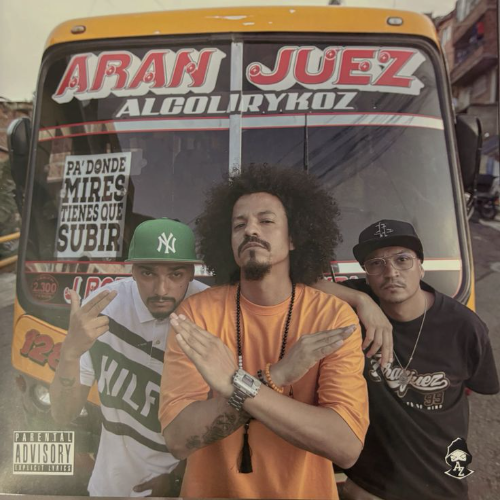
Later, this breakdance culture helped give birth to the first Medellín rap circle, eventually paving the way for groups like Alcolirykoz decades later. But in the ’80s, it was about movement, unity, and survival.
The VHS Tapes That Changed Everything
If Colombian hip-hop had holy artifacts, it would be the VHS tapes.
These tapes shaped everything:
• Breakin’
• Beat Street
• Wild Style
• Yo! MTV Raps recordings
• Street battles recorded on camcorders in the U.S.
Most kids didn’t understand English. They didn’t need to. The music, fashion, and body language communicated enough.
Watching the tapes became ritual:
Pause. Rewind. Pause again.
Practice the move.
Repeat.
For many early Colombian breakers, VHS video quality was terrible, but that didn’t stop them. They built a new culture from blurry footage and creative imagination.
Hip-Hop Becomes Colombian
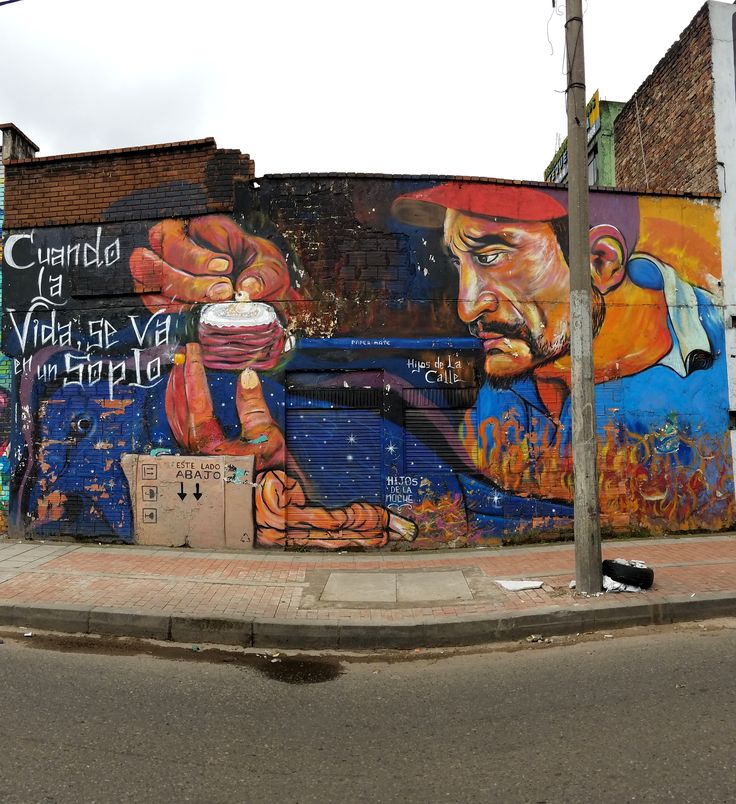
By the early ’90s, Colombia wasn’t just copying U.S. hip-hop—it was localizing it. Kids replaced American slang with barrio slang. They painted graffiti referencing local struggles. Dance battles started featuring Colombian rhythm influence. Neighborhoods began forming their own crews, sounds, and identity.
This era—before rap took the microphone, before hip-hop al parque, before national recognition—served as the foundation for all Colombian hip-hop to come.
A Movement Born From Curiosity and Grit
The story of how hip-hop entered Colombia is not glamorous. There were no labels, no sponsors, no big events. It was built by kids who found old VHS tapes, practiced on concrete floors, and created something from scratch.
Bogotá gave the movement its early structure.
Cali injected style and competition.
Medellín added emotion, resilience, and raw street identity.
Hip-hop didn’t just land in Colombia—it grew roots, adapted to local struggle, and evolved into one of Latin America’s most distinctive rap cultures.
About the Author