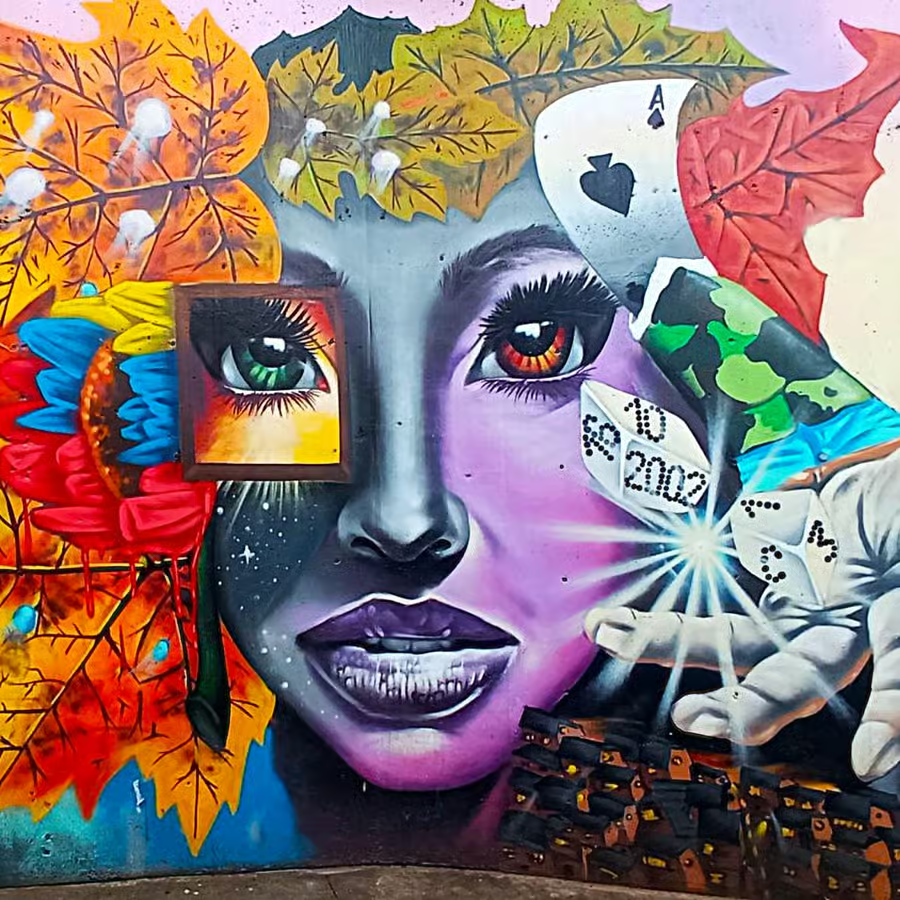
Medellín didn’t just join Colombia’s hip-hop movement — it gave the culture a darker edge, a sharper voice, and a rawer identity. Long before the city became known for polished rap records and international acclaim, it built its reputation in the streets. The underground of Medellín was shaped by battles on cracked pavement, improvised studios in bedrooms, and MCs who sharpened their skills in the shadows of a city fighting through its most turbulent years.
Medellín’s story is not clean. It is not glamorous. But it is the purest form of hip-hop Colombia has ever produced.
The Early Foundation: Hip-Hop in a City Under Pressure
In the late ’80s and early ’90s, Medellín was a city defined by tension. Violence, economic struggle, and social instability pressed down on daily life. Where most people saw chaos, young artists saw an outlet.
Hip-hop arrived as a survival tool — not a trend.
Breakdance crews formed in neighborhoods like Aranjuez, Castilla, Manrique, and Villa Hermosa. Kids trained on rooftops, basketball courts, and uneven sidewalks. The dancing was heavy, powerful, more acrobatic than the Bogotá style. It reflected the adrenaline of the city.
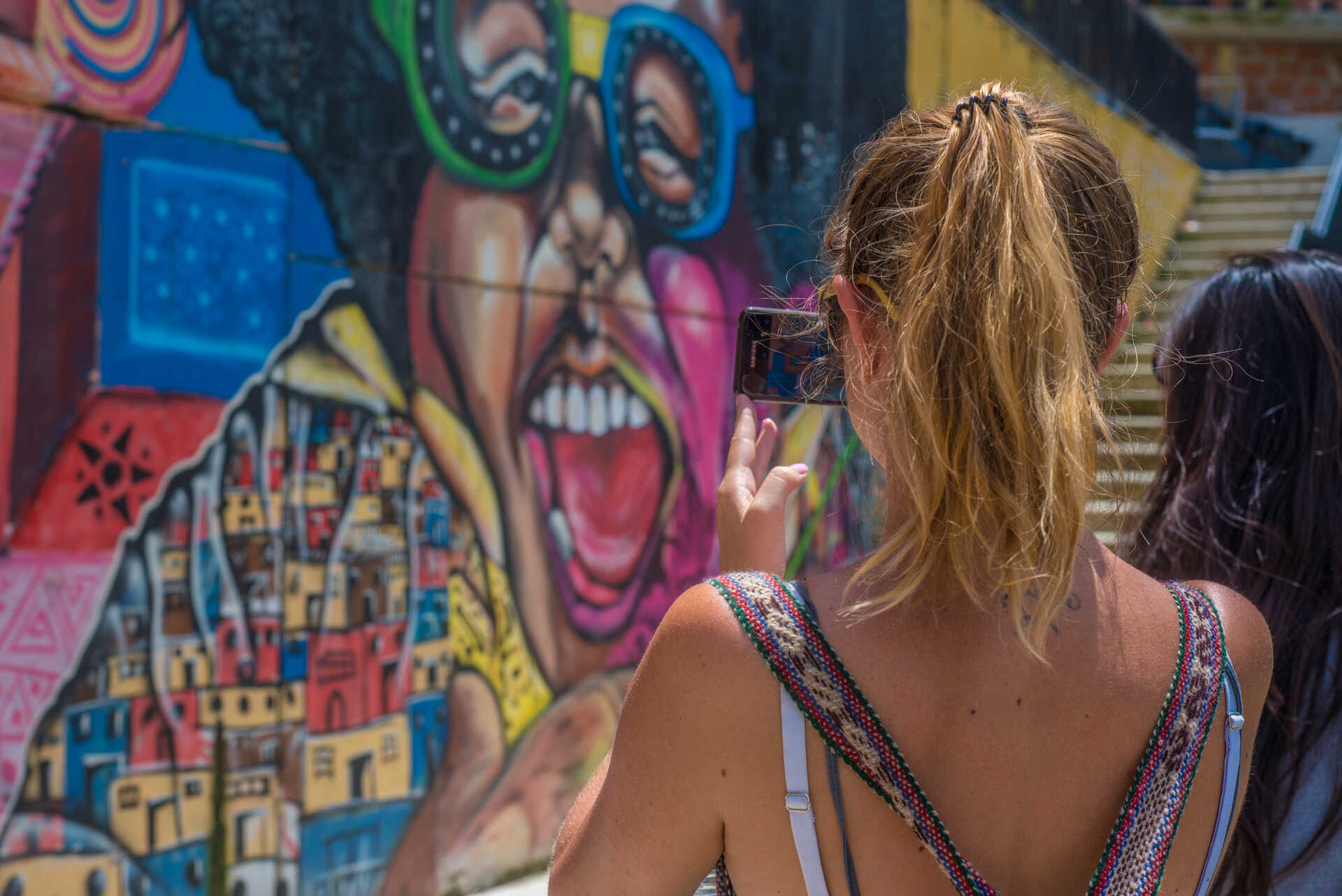
Graffiti became a language for invisible youth. The walls carried names, messages, rage, and dreams. Writers risked everything to speak through color.
And slowly, the microphone entered the picture.
Street Cyphers: The Core of Medellín’s Identity
Unlike Bogotá, where hip-hop first formed in downtown plazas, Medellín’s rap culture grew from the interior of the barrios. The first cyphers weren’t organized events — they were spontaneous.
A speaker, a beat, a sidewalk, a group of teenagers.
That was enough.
Battles became a way to earn respect. Freestyles were dangerous, confrontational, poetic. MCs didn’t rap to look cool — they rapped to say things nobody else would. Their lyrics described the neighborhood. The fear. The hope. The contradictions of growing up in a city everyone misunderstood.
Medellín’s underground wasn’t influenced by mainstream U.S. rap. It was influenced by the sound of its own heartbeat.
The First Crews and the Rise of Local Legends
As the ’90s progressed, rap groups began to form, each with their own barrio identity.
Some blended hardcore flows with social commentary. Others leaned into storytelling. Others represented raw cypher culture.
Producers started experimenting with old computers, basic drum machines, and pirated software. The studios were improvised but effective. The sound that emerged was gritty and unpolished — exactly what the city needed.
This era directly shaped the next generation, especially artists who would later represent Medellín on a national level.
The Birth of Medellín’s Rap Voice
If Bogotá was political and poetic, Medellín was visceral.
Its MCs focused on lived experience — crime, family struggle, community loyalty, loss, resilience. The lyrics were documentary-style: the stories people didn’t read in newspapers.
This honesty attracted attention. Medellín rappers weren’t trying to be stars. They were chronicling reality. And that authenticity began drawing listeners from all over Colombia.
The 2000s Boom: Medellín Earns National Respect
During the early 2000s, Medellín’s underground refined itself.
Bigger events started forming, more cyphers, more crews, and more recordings. Local rap fanzines, street radio stations, and community centers helped the movement spread.
This period produced some of the city’s most respected voices.
Artists with sharp penmanship, cinematic storytelling, and barrio loyalty turned Medellín into a force.
The city’s reputation grew:
If you wanted raw rap, you came to Medellín.
Alcolirykoz and the New Wave
No discussion of Medellín’s underground can ignore the impact of Alcolirykoz.
Their rise represented the evolution of Medellín’s hip-hop identity — intelligent, streetwise, introspective, and deeply rooted in neighborhood life.
Their storytelling elevated the entire city. They didn’t abandon the underground spirit. They amplified it.
As Alcolirykoz grew, so did Medellín’s recognition across Colombia and Latin America. Suddenly, the world was paying attention to a city most people had only associated with violence. Now they heard rhythm, poetry, and perspective.
Cyphers Turn Into Stages, and Stages Turn Into Legacy
What began as small battles on concrete slowly became shows, concerts, festivals, and global collaborations.
Medellín’s underground matured.
It didn’t lose its edge — it sharpened it.
The city’s hip-hop scene today is respected internationally because it stayed true to its roots. The rawness of those early street battles never disappeared. It simply evolved into disciplined artistry.
Why Medellín’s Underground Still Matters
Medellín’s contribution to Colombian hip-hop is not just musical. It is cultural.
It taught the country that rap can be brutal and beautiful at the same time.
It proved that talent can come from rooftops and alleyways.
It showed that a city’s darkest moments can inspire its brightest art.
Medellín didn’t follow hip-hop’s rules — it rewrote them.
And the world listened.
About the Author