By Eli Jesse
Hip-hop has always been more than music.
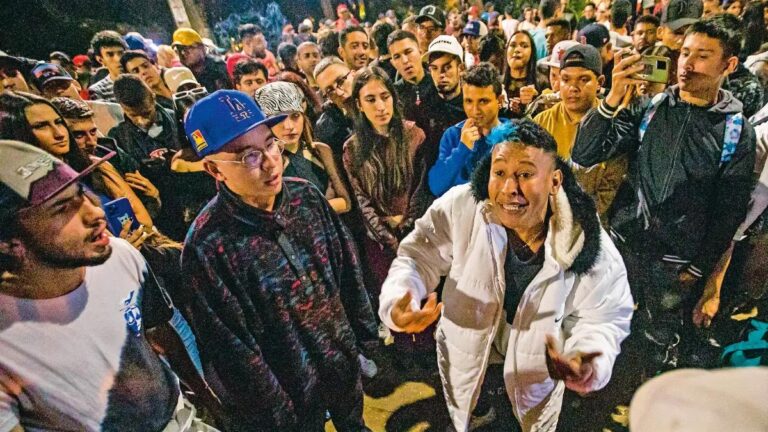
From its beginnings in New York City to its global expansion across every continent, rap has consistently served as a tool for storytelling, resistance, education, and cultural preservation. In Colombia, a new generation of Indigenous artists is embracing that tradition in a powerful way, using hip-hop to protect ancestral languages, celebrate cultural identity, and educate younger generations.
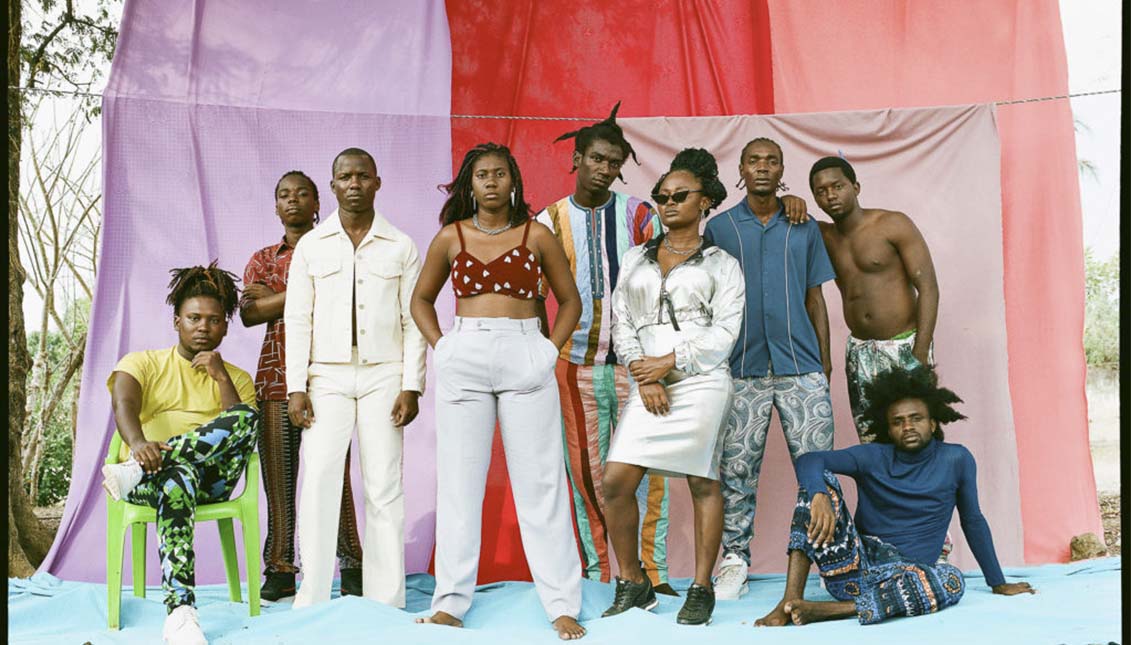
One of the most compelling examples of this movement is Son de la Selva, a group that has attracted growing attention for incorporating the Murui language into rap music. Through their work, the artists are demonstrating that hip-hop can be both modern and deeply connected to ancient traditions.
As Indigenous rap continues gaining visibility throughout Colombia and Latin America, many observers believe the movement could become one of the most important cultural developments in contemporary hip-hop.
Preserving Language Through Music
Across the world, Indigenous communities face ongoing challenges when it comes to protecting traditional languages.
Globalization, migration, and the dominance of major languages have contributed to the decline of many native dialects. In some communities, younger generations are growing up with limited exposure to the languages spoken by their ancestors.
For many Indigenous artists, music has become an effective solution.
By incorporating native languages into rap songs, performers create content that is both culturally relevant and appealing to younger audiences. Hip-hop’s popularity provides a platform capable of reaching listeners who might not otherwise engage with traditional forms of cultural education.
Groups such as Son de la Selva are using this approach to help ensure that the Murui language remains visible and accessible to future generations.
Their music transforms language preservation into something active, engaging, and contemporary.
Hip-Hop as a Cultural Tool
The relationship between Indigenous communities and hip-hop may seem surprising to some outsiders, but the connection is actually quite natural.
Rap music has long served as a voice for marginalized communities seeking to tell their stories on their own terms. Many Indigenous artists see similarities between hip-hop’s history and their own experiences.
Both involve struggles for recognition, identity, and cultural respect.
As a result, hip-hop provides an ideal framework for discussing issues that matter to Indigenous communities while maintaining artistic freedom and creative expression.
For artists involved in the movement, rap becomes more than entertainment. It becomes a vehicle for education, empowerment, and cultural survival.
The genre allows performers to communicate messages about history, land, family, language, and identity in ways that resonate with modern audiences.
Son de la Selva Leading the Conversation
Among the artists attracting attention, Son de la Selva has emerged as one of the movement’s most recognizable voices.
The group’s work blends traditional Indigenous perspectives with contemporary hip-hop production, creating a sound that feels both rooted in heritage and connected to today’s musical landscape.
By performing in Murui and incorporating themes related to Indigenous life, the artists offer listeners a perspective that is rarely represented within mainstream Latin music.
Their songs often serve as cultural bridges, helping audiences learn about traditions, values, and experiences that might otherwise remain unfamiliar.
This combination of education and artistry has earned the group attention beyond Indigenous communities, introducing their message to broader audiences throughout Colombia and beyond.
A Growing Movement Across Latin America
The rise of Indigenous rap is not limited to a single region or community.
Across Latin America, artists are increasingly using hip-hop to celebrate Indigenous identities and preserve cultural traditions. From Mexico and Guatemala to Peru and Colombia, performers are blending native languages with modern beats to create unique musical expressions.
These artists are proving that cultural preservation and innovation do not have to exist in opposition.
Instead, many are demonstrating how traditional knowledge can thrive within contemporary artistic spaces.
The movement is also helping challenge stereotypes by showing Indigenous communities as active participants in modern culture rather than simply subjects of historical discussion.
For younger listeners, this representation can be particularly meaningful.
Why This Matters for Hip-Hop
The emergence of Indigenous rap highlights one of hip-hop’s greatest strengths: its adaptability.
Unlike genres tied to specific instruments or rigid traditions, hip-hop has always evolved through the experiences of the communities that embrace it. Whether in the Bronx, Bogotá, Nairobi, or the Amazon rainforest, the culture has repeatedly proven capable of reflecting local realities while maintaining its core spirit.
The success of artists such as Son de la Selva demonstrates that hip-hop remains a powerful platform for voices that are often underrepresented in mainstream media.
Their music expands the boundaries of what rap can sound like and what stories it can tell.
In doing so, they enrich the culture as a whole.
Looking Toward the Future
As Indigenous rap gains more attention, opportunities for growth are likely to increase.
Greater visibility could lead to more collaborations, festival appearances, educational initiatives, and international recognition for artists working within the movement.
For Colombia’s hip-hop community, the rise of Indigenous rap represents an opportunity to celebrate diversity while strengthening connections between different cultural traditions.
It also serves as a reminder that hip-hop’s most important role has never been simply entertaining audiences.
At its best, the culture informs, inspires, educates, and preserves stories that might otherwise be forgotten.
Through artists like Son de la Selva, a new generation is proving that rap can help keep ancient languages alive while creating a future that honors the past.
And in a world where many Indigenous languages face uncertain futures, that may be one of hip-hop’s most powerful contributions yet.
About the Author