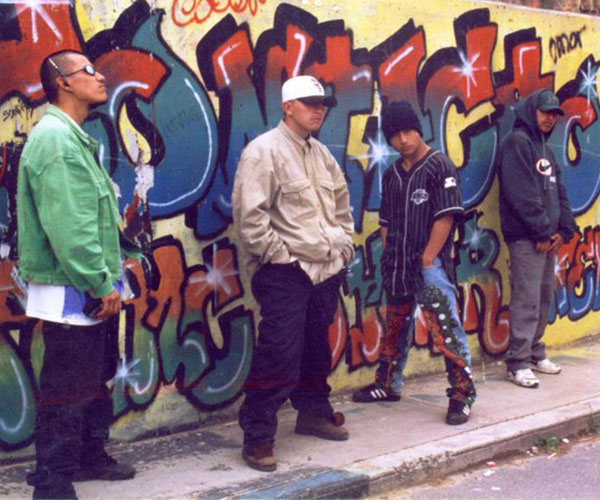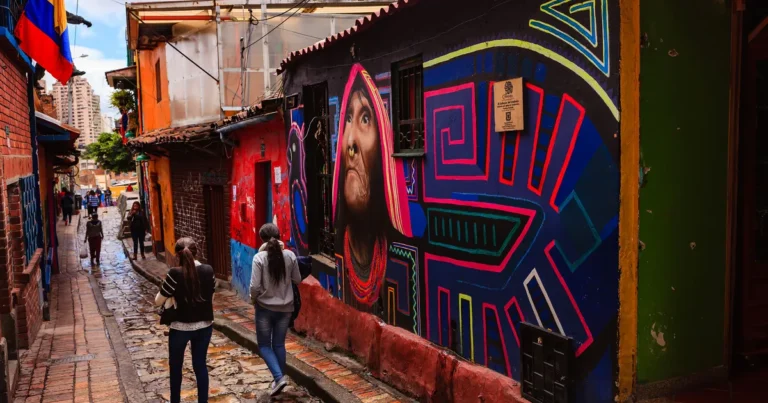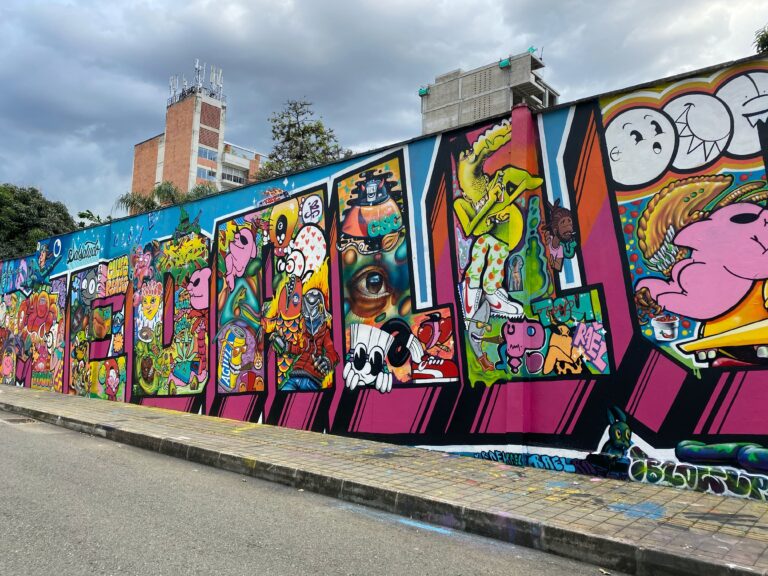
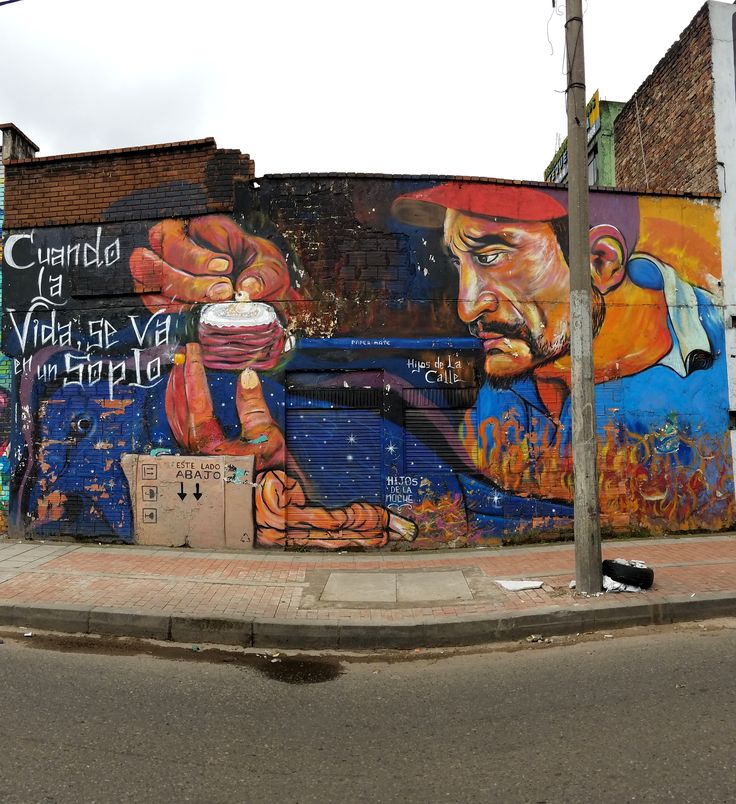
Before rap reached Colombia’s airwaves and before hip-hop had festivals or formal recognition, graffiti was already speaking. It appeared on bridges, abandoned buildings, alley walls, and bus routes — vibrant, angry, poetic, and political. Graffiti became the visual heartbeat of early Colombian hip-hop, especially in Bogotá, where the movement transformed entire districts into open-air galleries of rebellion.
Graffiti wasn’t decoration.
It was a protest, an announcement, a voice for people the country rarely listened to.
And it helped shape the identity of Colombian rap long before microphones were common.
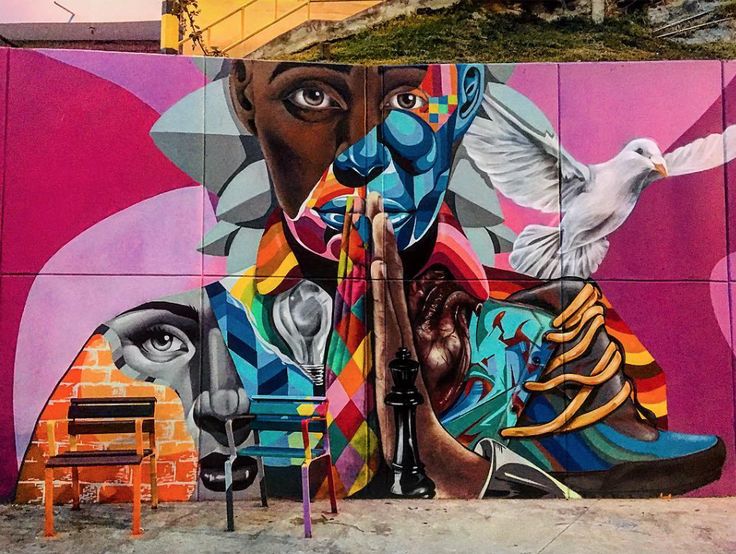
The Origins: When Hip-Hop Was Still Underground
In the late ’80s and early ’90s, graffiti in Bogotá grew alongside breakdance culture. Young artists were inspired by New York’s visual style — tags, throw-ups, and wildstyle letters — which they saw in imported magazines, traveling relatives’ photos, and the same VHS tapes that fueled the dance movement.
Graffiti took root first in:
• downtown Bogotá
• bus terminals
• bridges and overpasses
• school walls
• public staircases
• the edges of neighborhoods like Las Cruces, Suba, and Engativá
The walls became the city’s first hip-hop canvases.
Long before rap crews recorded albums, graffiti crews were already building identity.
Bogotá Becomes a Graffiti Capital
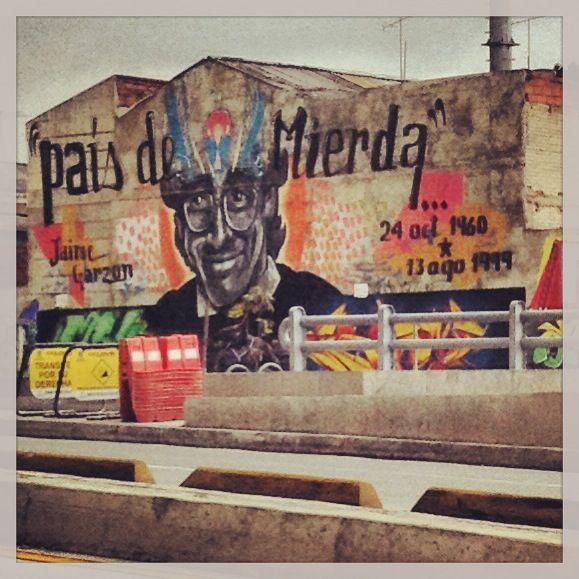
As the culture grew, Bogotá evolved into one of Latin America’s most important graffiti cities. While Cali had movement and Medellín had street storytelling, Bogotá had the walls.
The city wasn’t polished or planned — it was raw, chaotic, filled with layers of social tension. This made graffiti a natural tool for expression. Artists painted about:
• inequality
• police violence
• corruption
• displacement
• Afro-Colombian identity
• indigenous pride
• neighborhood history
Each wall carried a story.
Each piece carried a message.
Bogotá didn’t just imitate global street art.
It developed its own visual language.
Graffiti Crews: The Early Visual Architects of Hip-Hop Culture
Just as rap groups formed to build Colombian hip-hop’s sound, graffiti crews formed to build its identity. These collectives painted together, battled through style, and claimed territory through color and technique.
They developed:
• unique lettering styles
• character designs
• political murals
• neighborhood signatures
• large-scale pieces that covered whole buildings
Crews became respected parts of the hip-hop community.
Breakdancers painted with them.
Rappers referenced them.
DJs and promoters collaborated with them.
Graffiti wasn’t separate from hip-hop — it was one of its core pillars.
Graffiti as Protest: The Wall Becomes a Megaphone
What made Colombian graffiti powerful was its honesty.
Artists painted what people felt but rarely said publicly.
During periods of social unrest — marches, political upheaval, economic struggle — Bogotá’s walls transformed into giant protest posters. The movement blended street art with political resistance, making graffiti both a cultural expression and a form of civil defense.
The city became an archive of:
• frustration
• loss
• pride
• hope
Walls recorded emotions that institutions ignored.
The Relationship Between Graffiti and Rap
As graffiti grew, rap was growing with it. The two elements fed each other.
Graffiti shaped hip-hop visually.
Rap shaped hip-hop intellectually.
MCs took inspiration from the messages they saw on the walls.
Graffiti writers painted scenes described in rap lyrics.
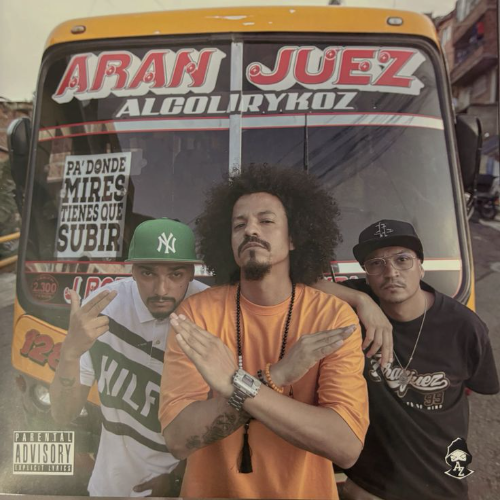
Murals became backdrops for album covers, photos, and music videos.
The synergy created a complete culture — urban, rebellious, creative, and honest.
Bogotá’s Murals and the Global Eye
As international travelers discovered Bogotá’s graffiti boom, the city gained global recognition. Artists from Europe, the U.S., and Latin America visited to collaborate on murals.
Meanwhile, Colombian artists began traveling abroad to paint in major cities.
Bogotá established itself as a global street art hub — not because of tourism, but because of authenticity.
The city’s graffiti was rooted in struggle. That truth resonated with the world.
From Illegality to Cultural Power
Although graffiti in Bogotá was once heavily criminalized, public perception changed.
Art collectives, cultural groups, and community leaders began defending graffiti as part of Bogotá’s cultural identity.
Over time:
• the city created legal walls
• youth programs taught mural art
• cultural institutions collaborated with artists
• galleries began exhibiting street art
• graffiti tours emerged, showing visitors the real Bogotá
What started as protest became heritage.
Legacy: Graffiti as Colombia’s First Loudspeaker
Graffiti remains one of Colombia’s strongest cultural expressions.
It is still political.
Still raw.
Still the language of the streets.
It prepared the ground for Colombian rap by showing that truth could be shouted in public — literally painted in the middle of the city.
Graffiti gave Colombian hip-hop its courage.
Its color.
Its defiance.
It continues to be the revolution written on the walls.
About the Author