 kofit36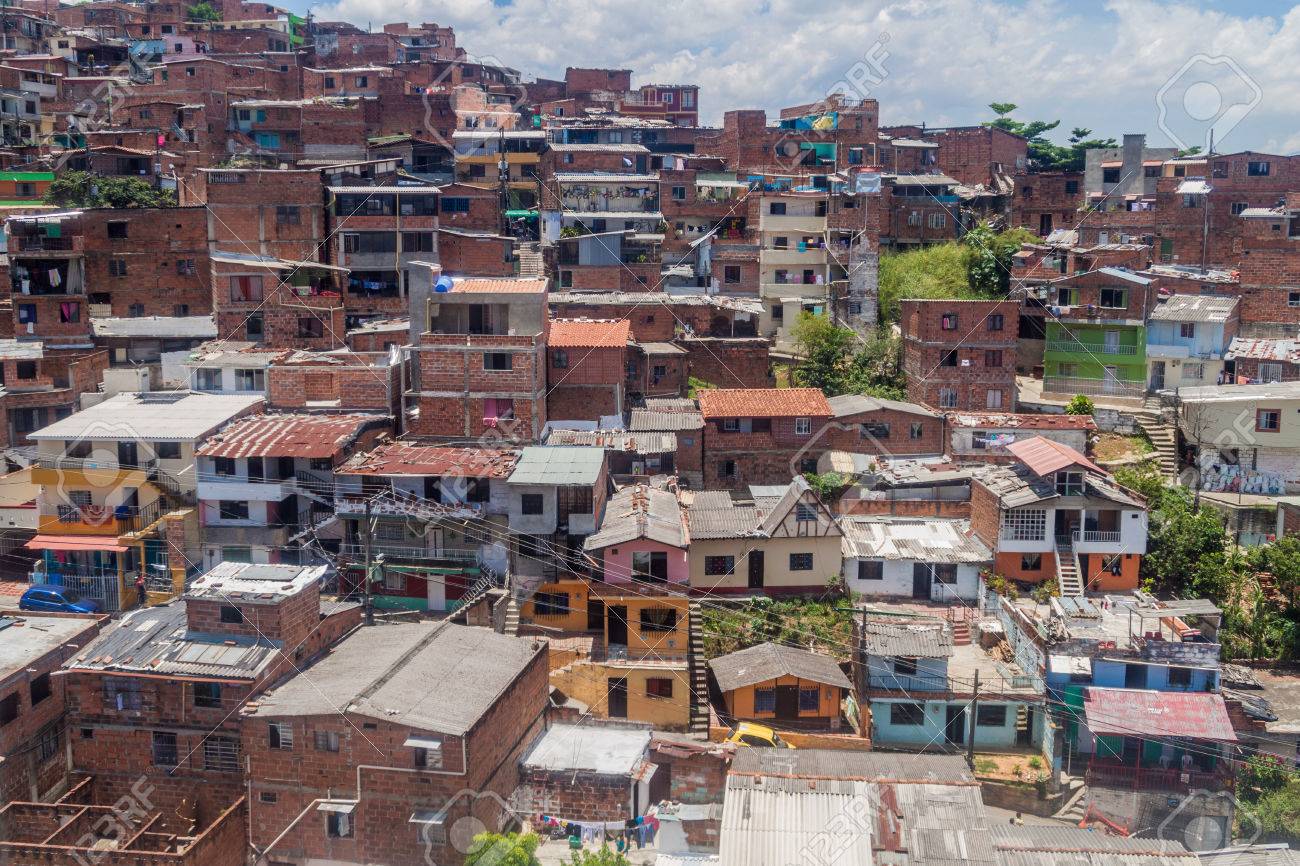
Before Colombian hip-hop had millions of listeners, festival stages, or mainstream respect, the culture depended on a handful of fearless groups who treated rap as truth-telling. These crews didn’t just make music they broke a national silence. They used rhythm and rhyme to expose poverty, inequality, violence, and identity in a way no other genre dared to.
Colombia’s first rap generation didn’t chase trends. They built a foundation.
And that foundation came from a few essential names: La Etnnia, Gotas de Rap, Zona Marginal, and Tres Coronas.
La Etnnia: The Architects of Colombian Street Rap

If Colombian hip-hop had a cornerstone, it would be La Etnnia. Formed in the late ’80s in Bogotá’s Las Cruces neighborhood, the group emerged from street cyphers, cassette deck experiments, and a hunger to document their reality.
La Etnnia rapped about life in the barrios — the pressure, the police, the politics, the survival. Their early demos circulated hand-to-hand, copied endlessly at flea markets and street shops. When they released their classic work in the ’90s, it hit like an explosion.
They were the first Colombian rap group to construct a full narrative identity, complete with cultural pride, neighborhood loyalty, and social commentary. Their influence reshaped Bogotá’s hip-hop and opened the door for future MCs to speak boldly.
La Etnnia wasn’t just a rap group. They were a mirror.
Gotas de Rap: Conscious Voices From the Capital
While La Etnnia focused on raw street storytelling, Gotas de Rap built a more reflective, socially conscious tone. Emerging in Bogotá around the same time, they brought message-driven lyrics that spoke about inequality, youth struggle, and political reality.
Their style blended poetic delivery with sharp critique. Rather than glorifying barrio violence, they diagnosed it. They were among the first to position rap as a tool for awareness, not just rebellion.
Gotas de Rap pushed Colombian hip-hop toward introspection, showing that rap could be emotional, intellectual, and grounded in community uplift.
Zona Marginal: Medellín’s First Hardcore Identity
Before Medellín became known globally for its underground strength, Zona Marginal helped define the city’s early rap voice. Emerging from the tough neighborhoods of Medellín, the group represented a raw style that felt closer to street documentary than music.
Their sound was aggressive, unfiltered, and loaded with lived experience. Zona Marginal didn’t sugarcoat anything — they described the reality of Medellín during one of its most violent periods.
They showed that Medellín hip-hop didn’t need polish. It needed guts.
And they delivered that courage with every verse.
Through them, Medellín found its earliest rap identity: dark, direct, and unafraid.
Tres Coronas: The First Colombian Rap Export
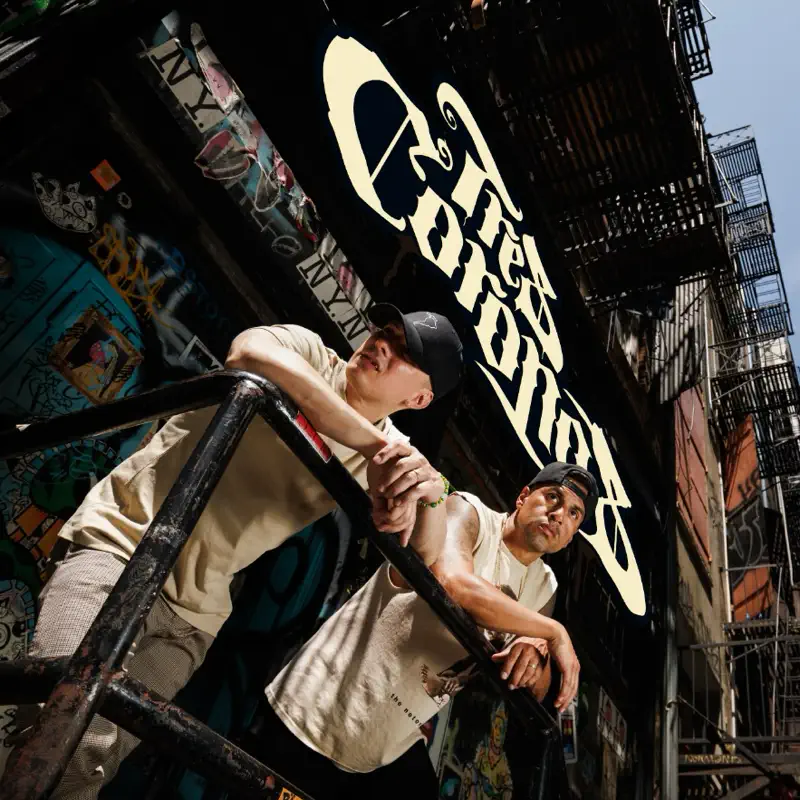
While the earlier groups stayed deeply rooted in Colombia, Tres Coronas introduced the world to Colombian hip-hop from an international angle. Formed in New York by Colombian MC Rocca and Dominican rapper Reychesta, Tres Coronas became the bridge between Colombian street rap and global hip-hop culture.
Rocca’s Colombian identity shaped their style, but their sound carried an international flavor — bilingual flow, boombap influence, and cross-border swagger. When the group gained recognition in Latin America and Europe, Colombian youth finally saw one of their own reaching outside national borders.
Tres Coronas proved that Colombian rap wasn’t local. It had global potential.
Their success inspired a generation of MCs to think bigger.
The Crews That Turned Noise Into Narrative
These early rap groups didn’t have industry support. They didn’t have streaming, mainstream radio, or major-label connections. What they had was urgency — the need to speak.
Together, La Etnnia, Gotas de Rap, Zona Marginal, and Tres Coronas transformed Colombian hip-hop from a street curiosity into an artistic force. They:
• gave neighborhoods a voice
• created the first Colombian rap albums
• built the first loyal fanbases
• inspired the formation of new crews and collectives
• legitimized rap as a cultural movement in Colombia
Their influence is still felt in every Colombian rap album today.
A Legacy That Still Echoes
The first Colombian rap generation wasn’t trying to be famous. They were trying to be heard.
They turned cassette decks into recording studios, city corners into classrooms, and pain into poetry.
Their work created the blueprint that artists across Bogotá, Medellín, Cali, and beyond still follow.
Colombian hip-hop didn’t begin with institutions or investors.
It began with brave voices.
And these were the first voices that broke the silence.

 hiphopbogota hiphopbogota