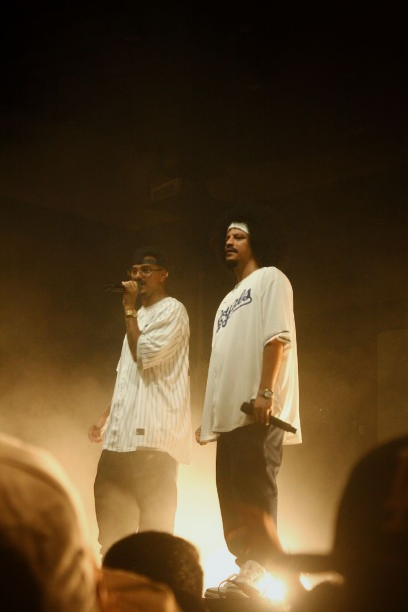
When you think of Colombia’s music scene, reggaetón and vallenato might jump to mind first but beneath the mainstream beat, there’s a raw, deeply rooted hip hop movement that’s been pulsing through the streets of Bogotá, Medellín, and beyond for decades. As you plan your week in Colombia this November, don’t sleep on the rap revolution that’s built on history, resistance, and identity.
From the Margins to the Mic: The Roots of Colombian Rap
Hip hop arrived in Colombia in the 1980s, carried by youngsters who saw in it more than a genre they saw a megaphone for unheard stories. It wasn’t just about the music; it was a full culture: breakdance, DJing, graffiti, and freestyle battles.
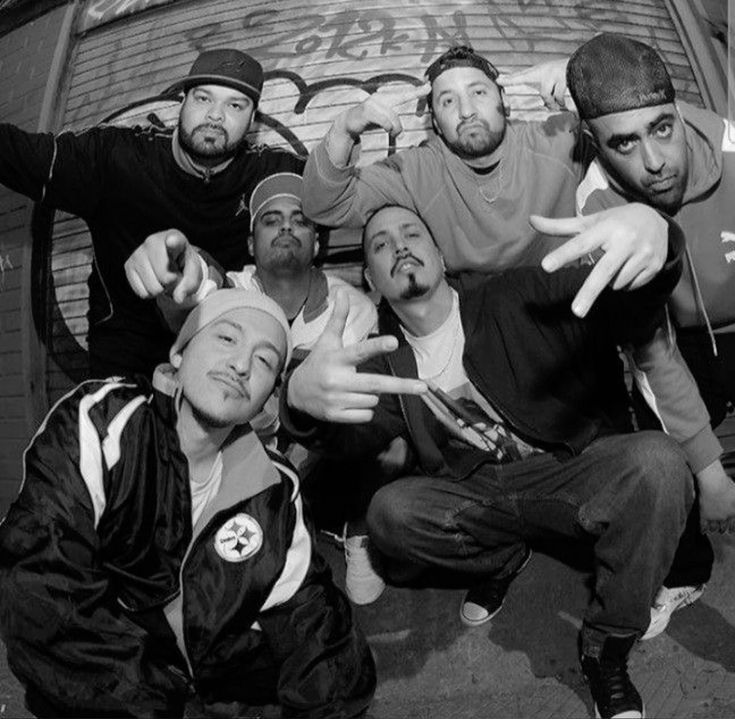
One of the pioneering crews in Bogotá was La Etnnia, a group born in the Las Cruces neighborhood. Their early days weren’t easy limited resources, no major backing but they embodied the spirit of hip hop as a tool for resistance and self-expression.
In the same era, groups like Gotas de Rap began weaving social commentary into their verses, tackling political issues, inequality, and life in the barrios. Their legacy laid the groundwork for a wave of artists who didn’t just rap for entertainment they rapped for change.
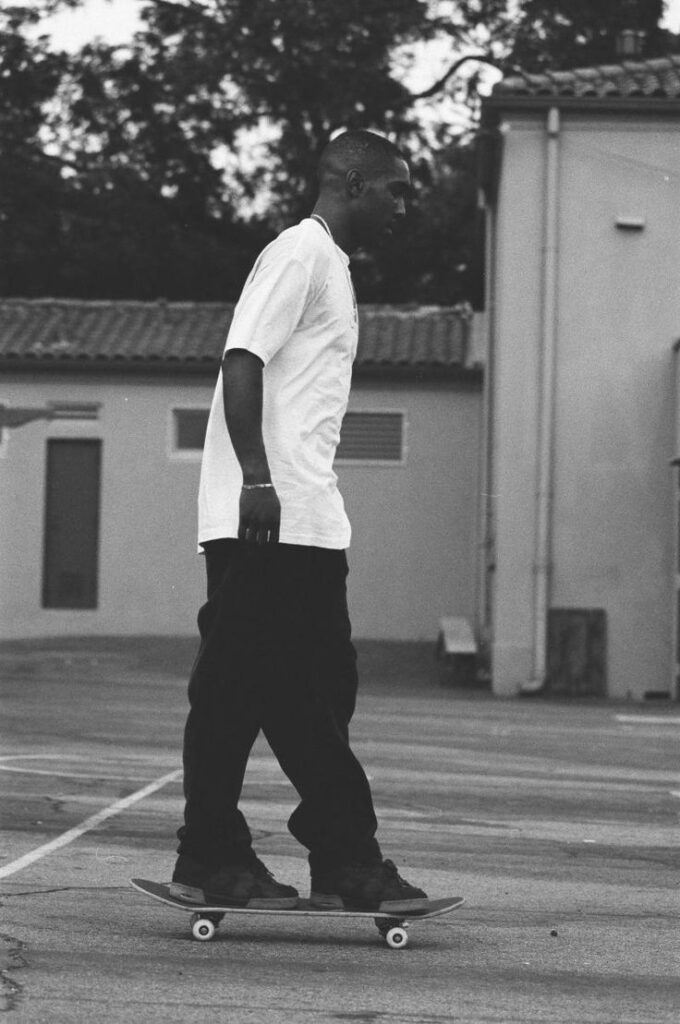
Building Community: Festivals, Graffiti, and Hip Hop as Identity
By 1996, the movement had grown enough to spark something big: Rap al Parque the first festival dedicated to rap in Bogotá. This festival would eventually evolve into Hip Hop al Parque, one of the most important hip hop gatherings in Latin America.
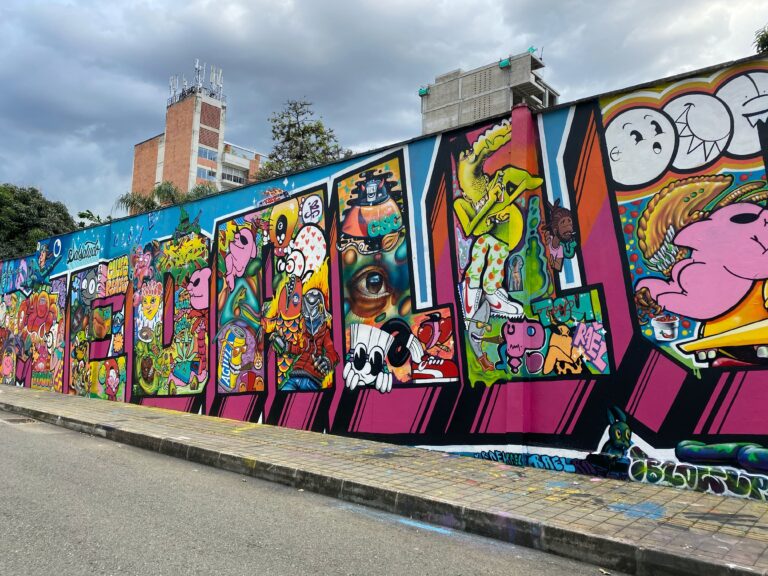
More than just music, hip hop in Colombia became a way for people in marginalized neighborhoods to reclaim their spaces. Over time, graffiti began to pop up on walls across the cities, declaring in color what many lived in silence.
The Museo Nacional in Bogotá now even has a whole exhibit, “Nación Hip Hop,” chronicling the movement’s evolution through themes like memory, identity, and community.
Medellín’s Bars, Beats & Barricadas
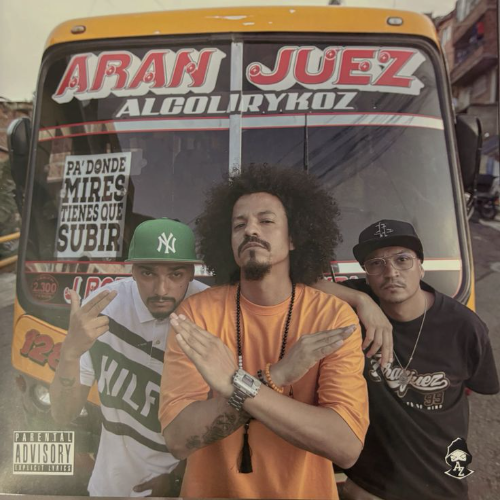
While Bogotá was nurturing the early hip hop wave, Medellín was forging its own identity. In neighborhoods like Aranjuez, where violence cast a heavy shadow, young people turned to rap as a way out and a way to speak truth.
One of Medellín’s biggest names, Alcolirykoz, formed at the end of the ‘90s. Their gritty flows and reflections on daily life helped cement Medellín’s reputation as a hub for authentic, no‑filter hip hop.
Groups like Laberinto ELC also rose up, adding their voices to a growing chorus of neighborhood stories, graffiti, breakdance, and community-building through music.
Why It Matters Today
Colombian hip hop isn’t just “old-school resistance rap.” Today, it’s a living, breathing movement with young rappers, community schools, collectives, and freestylers continuing to push. It’s not just about staying underground: it’s about keeping the culture real, political, and connected to the people.
The Museo Nacional’s “Nación Hip Hop” exhibit reminds us: hip hop in Colombia is more than sound. It’s a memory of struggle, a mirror of society, and a creative force.
Plus, with global attention on Colombia rising, the hip hop culture is helping redefine the country’s narrative not just as a music export, but as a place of deep cultural richness and grassroots power.
About the Author