
 hiphopbogota hiphopbogota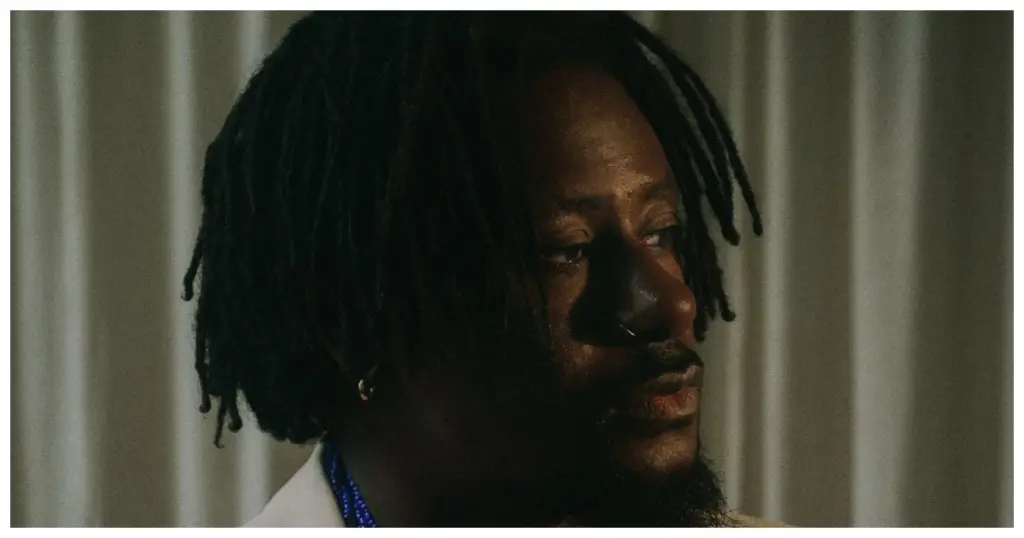
Brazilian rapper Zudizilla has returned with Quintessência, his fifth studio album and one of the most concept-driven releases to arrive from Brazil’s independent hip-hop scene this September.
Released on September 24, 2026, the 16-track project brings together rap, jazz, regional Brazilian influences and a strong visual concept centered on transformation, ancestry and legacy. The record also expands into an accompanying audiovisual project directed by KVPA, turning Quintessência into something larger than a traditional album release.
For Zudizilla, the project represents a new stage in a career already defined by experimentation.
Rather than chasing one dominant sound, Quintessência moves through different musical traditions while keeping hip-hop as its foundation. Apple Music lists collaborations with artists including Renato Borghetti, Gabriel Gaiardo, Aori, Febem, Bruna Mendez, Vitor Ramil, Cristal, Catto, Maestro Ubiratan Marques and Luciana Mello.
The Number Five Sits at the Center of the Album
The concept behind Quintessência begins with the symbolism of the number five.
Zudizilla has linked the project to the idea of quintessence in alchemy — the search for a purified fifth element beyond the traditional four. In the album’s wider concept, that idea becomes a metaphor for artistic evolution, transformation and the attempt to reach a more refined version of oneself.
That symbolism fits naturally with this being Zudizilla’s fifth studio album.
Instead of treating that number as a coincidence, he builds the record around it, connecting philosophical and spiritual ideas with his own trajectory as an artist.
The result is an album that asks listeners to think about movement and change rather than simply focusing on individual tracks.
Hip-Hop Meets Southern Brazilian Musical Traditions
Musically, Quintessência reaches beyond conventional rap production.
The album features Renato Borghetti on “Quintana” and “Leva um Bom Tempo Pra Se Acostumar,” while Vitor Ramil appears on “Aristocrata.” Those collaborations bring musical traditions associated with southern Brazil into conversation with contemporary hip-hop.
At the same time, artists such as Febem, Cristal and Aori keep the project firmly connected to Brazil’s rap ecosystem.
Febem appears on “Barracuda,” Aori joins Zudizilla on “Blaxploitation,” and Cristal features on “Bons Ventos.”
That combination gives the album a wide musical vocabulary without losing its identity.
Rather than separating jazz, regional music and rap into different sections, Zudizilla treats them as parts of the same creative language.
Black Identity and Ancestry Remain Central
One of the strongest themes running through Quintessência is Black identity.
Coverage surrounding the album has emphasized its relationship with ancestry, freedom and transformation. The project uses those ideas not simply as lyrical themes but as part of the overall visual and conceptual design.
That approach is especially visible in the album’s accompanying film.
The audiovisual project uses symbols connected to courage, innocence, refinement and artistic creation, creating a visual language around the record rather than producing a conventional sequence of music videos.
ÉTER Expands the Album Into Film
The visual side of Quintessência is developed through a short film directed by KVPA.
Different reports refer to the audiovisual work as “ÉTER” or the Quintessência Short Film. The film combines contemporary dance, photography, symbolism and urban imagery to explore the same themes that appear throughout the album.
In the film, dancers guide Zudizilla through a gallery toward the set where the album cover is created.
The photograph is taken by Thaís Vandanezi, who also shot the project’s official imagery.
The sequence eventually ends with Zudizilla’s son, Dayo, looking at the finished image.
That final scene becomes one of the clearest expressions of the album’s ideas about legacy.
The artwork is no longer simply something created for the present moment. It becomes something passed forward.
Symbolism Runs Throughout the Visual Story
The film introduces several recurring symbols.
According to Rap Dab’s coverage, a lion represents courage while a child represents innocence. A violinist introduces an element of classical refinement, and the dancers represent ideas constantly moving and changing.
Those images reinforce the larger concept of transformation that runs through the project.
The city also plays an important role.
The audiovisual work contrasts the scale and intensity of São Paulo with the more intimate internal world Zudizilla is attempting to explore through the album.
That contrast gives Quintessência an interesting tension: the project is deeply personal, but it exists inside a much larger cultural and urban environment.
A Strong Collaborative Cast
Although Zudizilla remains at the center of the record, Quintessência features a wide group of collaborators.
Bruna Mendez appears on “Fôlego,” Catto joins him on “Sorte,” while Luciana Mello appears on the closing track, “Contrato com Deus.”
The full tracklist runs for 16 songs and approximately 55 minutes, giving Zudizilla enough space to develop the album’s concept without rushing through it.
That scale also reinforces the idea that Quintessência is intended to be experienced as a complete work rather than simply a collection of singles.
A Different Kind of Brazilian Hip-Hop Release
In a month filled with high-profile Brazilian rap releases, Quintessência stands out because of how heavily it invests in concept and atmosphere.
There are recognizable rap collaborations and traditional song structures, but the project also incorporates philosophy, regional musical history, visual art, dance and cinema.
That makes it difficult to reduce the album to one genre label.
It remains hip-hop at its core, but Zudizilla uses that foundation as a platform for exploring a much wider artistic world.
With Quintessência, his fifth studio album becomes a reflection on where he has been, what he has learned and what remains after the music itself.
And the final image of his son looking at the finished artwork makes the message especially clear.
For Zudizilla, the project is not only about creating something now.
It is about what that creation leaves behind.