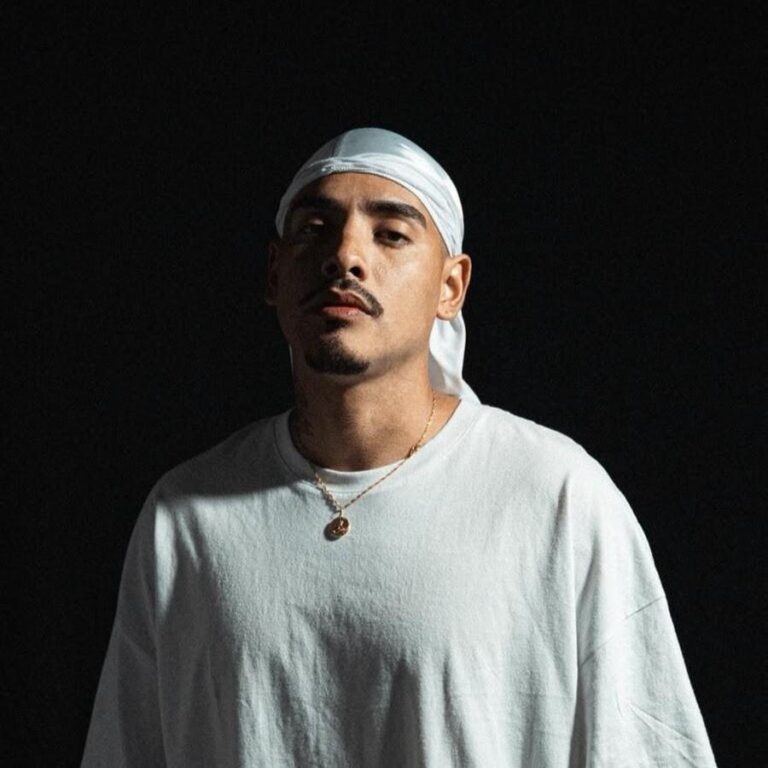

Colombian hip-hop has always drawn strength from artists who turn their everyday experiences into music, documenting the struggles, ambitions and realities of the communities around them. In Bogotá, rapper Clafseis, also known as Zurdo Sucio, is building his artistic identity around that tradition while entering one of the most significant periods of his career.

After years of developing his craft through rap and graffiti, Clafseis is preparing to reach a milestone he first imagined as a young fan. In 2008, he attended Hip Hop al Parque for the first time with friends and cousins. Watching artists command one of Colombia’s most important hip-hop stages inspired him to picture himself performing there one day. Nearly two decades later, that ambition has become reality.
His journey represents more than a festival appearance. It reflects the persistence required to build an independent music career, the importance of local hip-hop communities and the power of storytelling rooted in the streets.
According to an interview published by Bogotá’s Canal Capital on October 23, 2026, Clafseis is using his music to tell stories about the city and the people whose experiences rarely receive the attention they deserve. His appearance at Hip Hop al Parque 2026 marks a new chapter in that journey.
Bogotá Is More Than a Backdrop to His Music
For Clafseis, Bogotá is not simply the city where he lives and works. It is an essential part of his artistic identity.
The capital’s neighborhoods, contrasting realities, unpredictable daily life and cold weather all contribute to the atmosphere of his music. His perspective reflects the experience of an artist who sees the city as a continuous source of stories waiting to be documented.
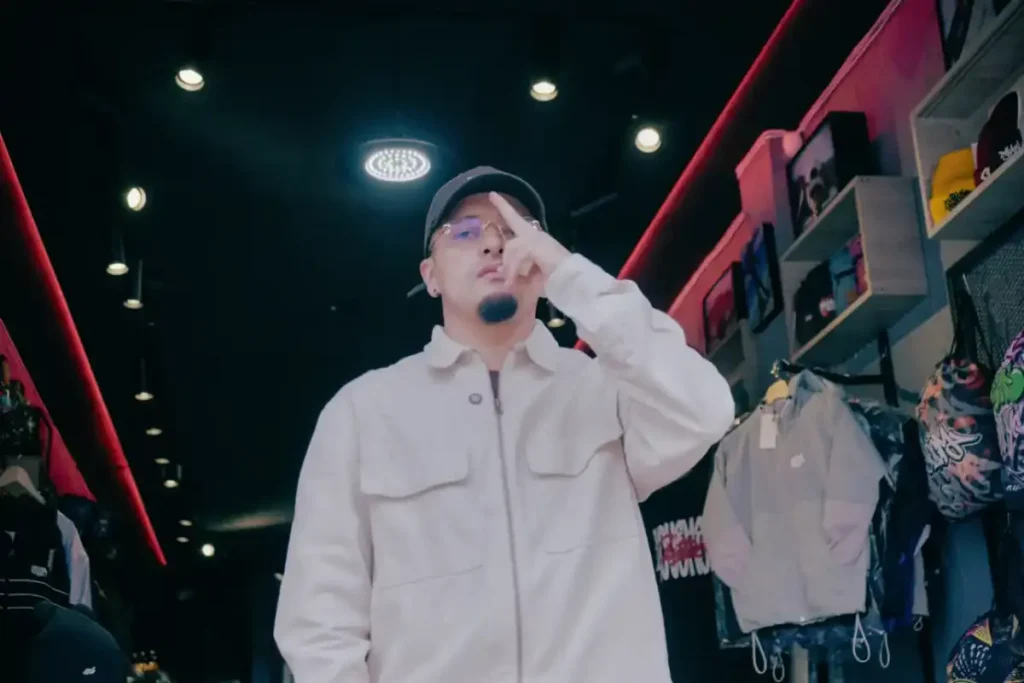
Hip-hop has a long history of transforming local experiences into wider cultural narratives. From neighborhood struggles to personal ambition, rappers have used their lyrics to preserve the details of their environments and give a voice to people who might otherwise remain unheard.
Clafseis approaches his music with a similar perspective. His interest lies in the people moving through Bogotá every day, particularly those working to improve their circumstances despite difficult conditions.
These stories do not always involve extraordinary events. They can be about someone waking up early to earn a living, a young person searching for an opportunity through football or a family trying to build a more secure future.
By focusing on these experiences, Clafseis presents the neighborhood as more than a place associated with hardship. It is also a space where people develop resilience, support one another and pursue ambitions that extend beyond their immediate circumstances.
That distinction is important to his songwriting. Rather than simply describing the difficulties people face, he is interested in what they do in response to them.
Turning Neighborhood Struggles Into Stories of Perseverance
Social commentary has long been central to Colombian rap, particularly within underground scenes where artists often work outside the commercial music industry.
For Clafseis, the realities of barrio life provide the foundation for a broader message about personal responsibility and perseverance.
In his interview with Canal Capital, he reflected on the challenges of growing up in difficult environments and questioned what people choose to do with those circumstances. His perspective acknowledges hardship without suggesting that it should define an individual’s entire future.
This approach gives his music a relatable foundation. Listeners do not need to share his exact experiences to recognize the themes running through his work. The pressure to earn money, the desire to create better opportunities and the determination to keep moving forward are familiar across different communities.
For independent rappers, these themes can also establish a meaningful connection with audiences. Listeners often return to artists whose lyrics reflect experiences they recognize in their own lives.
Clafseis’s connection to graffiti further reinforces his relationship with hip-hop as a culture rather than a musical genre alone. Rap and graffiti share a history of using public expression to communicate identity, creativity and perspectives that may not find space in mainstream institutions.
Together, these influences help explain why his artistic journey is closely tied to Bogotá itself.
From Festival Fan to Hip Hop al Parque Performer
One of the most compelling parts of Clafseis’s story is the length of time between imagining his festival appearance and achieving it.
When he attended Hip Hop al Parque in 2008, he was already writing lyrics and developing his interest in rap. The experience left such a strong impression that he remembers becoming emotional while imagining the possibility of standing on the same stage as the artists he admired.
His eventual selection to perform at the 2026 edition represents the result of years spent developing his artistic project.
Hip Hop al Parque holds a distinctive place in Bogotá’s cultural calendar. The festival brings together Colombian and international performers while creating opportunities for local artists to introduce their music to larger audiences.
For artists emerging from the independent scene, a performance can provide exposure beyond their established listener base. It can also connect them with other musicians, industry professionals and audiences who may follow their work after the event.
However, reaching the stage does not automatically guarantee a breakthrough. Artists must continue building their catalogues, developing their live performances and maintaining relationships with listeners long after a festival ends.
Clafseis appears to understand this distinction. His comments frame the opportunity as an opening rather than the final destination of his career.
He hopes that audiences encountering his music will recognize the years of effort behind the performance and understand that meaningful progress can take time.
The EP 6 Marks Another Milestone
The festival appearance is not the only reason 2026 stands out in Clafseis’s career.
The rapper has also released an EP titled 6, a project he describes as a tribute to a year filled with important personal and professional milestones. The release reflects his appreciation for the opportunities music has brought him and the experiences that have shaped his artistic development.
For independent artists, releases such as 6 serve several purposes. They allow musicians to document a particular stage of their lives, introduce new material to existing audiences and provide newcomers with another entry point into their catalogues.
The significance of a project does not necessarily depend on commercial numbers alone. Sometimes, its value lies in capturing a period when years of work begin producing opportunities that once seemed distant.
That context makes 6 particularly relevant to Clafseis’s current moment. The EP and the festival appearance form two parts of the same story: an artist reflecting on his journey while preparing to move into a new phase.
The release also provides an opportunity for listeners to explore his work beyond the festival stage and consider the ideas, experiences and influences informing his music.
Why the Bogotá Hip-Hop Scene Needs Artists Like Clafseis
Colombia’s hip-hop movement includes commercially successful performers, underground lyricists, freestyle competitors, producers, DJs, graffiti writers and dancers. Each contributes to a culture that cannot be measured through streaming numbers or mainstream recognition alone.
Artists such as Clafseis are important because they maintain a connection between music and the communities from which it emerges.
In his discussion with Canal Capital, he highlighted the value of supporting different elements of hip-hop and strengthening relationships among people working within the culture. He also pointed to the importance of audiences who continue supporting artists through merchandise, physical releases and other forms of direct engagement.
Canal Capital
That support can make a meaningful difference for independent musicians, whose careers often depend on building sustainable relationships with their audiences.
A festival appearance may introduce an artist to thousands of potential listeners, but the long-term strength of a local scene depends on what happens beyond the main stage. Smaller performances, collaborative projects, independent releases and community events all help maintain the networks that allow artists to develop.
Clafseis’s experience also offers a useful reminder about how success is defined. An important performance should not necessarily be viewed as the end goal. Instead, it can become a platform for reaching new listeners and creating opportunities that were previously unavailable.
For younger rappers watching from the crowd, his story provides an example of how a long-term commitment to music can eventually lead to a major opportunity.
A New Chapter for Zurdo Sucio
Clafseis’s journey from attending Hip Hop al Parque in 2008 to performing at its 2026 edition captures the persistence at the heart of independent hip-hop.
His music draws from Bogotá’s everyday realities, focusing on the people who continue working toward better futures despite the difficulties surrounding them. His connection to graffiti, his commitment to storytelling and the release of 6 all contribute to an artistic identity grounded in personal experience and local culture.
The next stage of his career will depend on how he builds on this moment. Reaching a major festival audience is an achievement, but continuing to develop his music and connect with listeners will determine what follows.
For now, his story stands as a reminder that hip-hop careers are often built over years rather than overnight. The ambition that began in a festival crowd in 2008 has finally brought Clafseis to the stage he once dreamed of occupying.
And as he continues documenting Bogotá through his music, the city that inspired those early ambitions remains at the center of the story.
About the Author