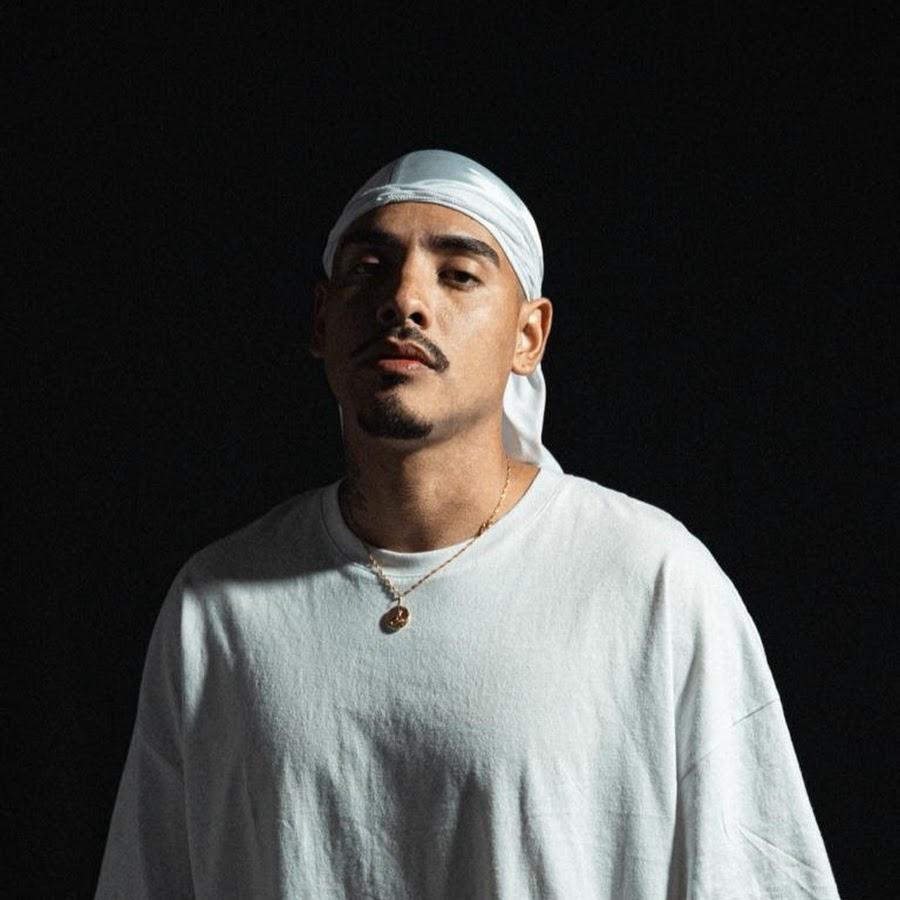
Colombian hip-hop veteran Frank Takuma is encouraging emerging freestyle rappers to trust their artistic instincts and develop their own identities, delivering a message that comes at a time when Bogotá’s university and street freestyle communities continue attracting new talent.
The rapper, known for his work with the influential Bogotá group Aerophon, shared his perspective during an interview published on October 23, 2026, by the Centro Articulador de Medios at Fundación Universitaria Los Libertadores. The conversation followed his appearance as a judge at the eleventh edition of FULLRAP, a freestyle initiative organized by students at the university.
His message goes beyond winning battles. For Takuma, the development of hip-hop depends on artists understanding their own creative identities rather than simply following expectations established by competitions, audiences or the wider music industry.
Frank Takuma Returns to His Freestyle Roots
Takuma’s involvement in Bogotá’s freestyle scene represents a return to an environment that helped shape his musical journey.
Before establishing himself as a recording artist, he developed his skills through freestyle sessions in Engativá, a locality in western Bogotá. Speaking in the recent interview, he recalled starting out in parks approximately 16 to 18 years ago, when beatboxing and improvised rap battles were central parts of the local experience.
Those early sessions offered a different environment from today’s organized competitions. Rappers gathered in public spaces, tested their lyrical abilities against one another and developed their reputations through spontaneous performances.
Freestyle requires MCs to think quickly, respond to opponents and construct rhymes under pressure. Beyond technical ability, successful performers must develop timing, stage presence, confidence and the capacity to connect with an audience.
Takuma’s experience across different stages of Colombian hip-hop gives him a perspective that extends beyond judging individual performances. He understands the culture from the perspective of someone who began in local spaces before building a professional career.
His recent return to freestyle judging allows him to engage with a new generation of performers who are developing their own approaches to the art form.
FULLRAP Gives University Freestylers a Platform
FULLRAP has created a space where university students can develop their freestyle abilities while connecting with Bogotá’s wider hip-hop community.
According to the university’s October 23 report, the initiative had been running for more than three years when Takuma participated as a judge at its eleventh event of the year.
One aspect that impressed the rapper was the opportunity for beginners to compete against more experienced freestylers who had already spent time battling in public plazas.
That interaction can help developing MCs understand the level of preparation required to compete consistently. Beginners can test their abilities against stronger opponents, while experienced performers encounter different approaches and emerging styles.
University-based freestyle events also provide an alternative environment for young people who may not have immediate access to established music-industry networks.
Participants can build confidence, meet other artists and develop the skills needed to perform before increasingly demanding audiences.
The format also reinforces an important aspect of hip-hop culture: knowledge is passed between generations through participation. Techniques that once developed almost exclusively in parks and neighborhood gatherings can now be shared through organized university initiatives without losing their connection to the streets.
FULLRAP’s continued activity demonstrates how freestyle can find a place in educational environments while maintaining its competitive spirit.
Why Takuma Wants Freestylers to Think Independently
The central message of Takuma’s advice is that artists should make decisions based on what they genuinely believe is right for their development.
His position challenges the idea that success requires every rapper to follow the same creative formula.
Freestyle competitions reward specific skills, including rhyme construction, improvisation, punchlines, delivery and the ability to respond effectively to an opponent. However, becoming a complete artist can require abilities that are not always measured by a battle’s result.
Some rappers may discover that competition is their strongest creative outlet. Others may use freestyle to improve their writing before moving toward recorded music, live performances or production.
Takuma’s career offers an example of how those paths can intersect.
His experience with Aerophon established him within Bogotá’s hip-hop movement, while his subsequent solo work allowed him to explore his own musical direction. His career has included projects that move across different sounds and creative influences rather than remaining limited to a single format.
For young freestylers, this distinction matters because technical excellence does not automatically determine the kind of artist someone will eventually become.
Developing an individual identity requires experimentation, self-awareness and a willingness to make creative choices that may not always follow current trends.
Takuma’s advice encourages emerging MCs to treat their artistic development as a personal process instead of measuring every decision against the expectations of others.
From Aerophon to a Solo Career
Takuma’s perspective is informed by years of experience in Colombian hip-hop.
He became widely associated with Aerophon, a Bogotá rap group recognized for combining hip-hop with live instrumentation and broader musical influences. His work with the group contributed to his development before he moved further into his solo career.
In a 2023 interview with El Espectador, Takuma discussed the importance of artistic freedom and explained why he does not believe being a rapper means having to perform only one kind of music. He described how international travel and encounters with musicians from other countries broadened his understanding of what hip-hop artists can do.
That philosophy is relevant to freestyle performers who may feel pressured to preserve a particular sound or public image.
Hip-hop has always contained multiple forms of expression, from competitive lyricism and socially conscious rap to experimental production and genre-crossing collaborations.
An artist’s identity can remain recognizable even as the music evolves.
For Takuma, the challenge is to remain connected to what makes an artist authentic while allowing room for personal growth.
Bogotá’s Freestyle Culture Continues to Evolve
Takuma’s participation in FULLRAP comes amid continued activity across Bogotá’s freestyle community.
Public parks, skate spaces and university venues have become gathering points for MCs who meet regularly to compete, practise and build relationships. A September 2026 report by Plaza Capital described the community surrounding these events as extending beyond the battles themselves, with participants forming lasting friendships and a shared cultural identity.
That community dimension is an important part of freestyle’s appeal. While the competition provides the immediate attraction, the relationships developed around the events help keep participants involved.
For emerging artists, these environments can become informal training grounds. Rappers learn how to handle pressure, adapt to different opponents and respond to crowd reactions. They also discover the importance of respect, preparation and consistency.
Organized initiatives such as FULLRAP can help make these opportunities more accessible to students who want to participate in hip-hop while pursuing their education.
At the same time, maintaining a connection with the broader street scene ensures that freestyle remains linked to the spaces where the culture developed.
The continued interaction between experienced MCs and newcomers can help preserve that connection while allowing new styles to emerge.
A Message That Extends Beyond Battle Rap
Frank Takuma’s advice to aspiring freestylers ultimately points toward a larger question facing artists across the music industry: how do you develop a recognizable identity without allowing outside expectations to control your creative decisions?
For rappers entering competitive environments, the pressure to win can sometimes overshadow the process of developing an individual style. A successful performance may bring recognition, but lasting artistic growth requires more than a single victory.
Takuma’s experience demonstrates that hip-hop offers several possible paths. Freestyle can be a destination in itself, a starting point for recorded music or a skill that strengthens an artist’s wider creative practice.
His appearance at FULLRAP placed that perspective in front of a new generation of MCs who are still discovering their abilities.
As Bogotá’s university and street freestyle communities continue developing, the exchange between established artists and emerging performers will remain important to the culture’s future.
Takuma’s message is straightforward: learn the craft, respect the culture and make creative decisions that reflect who you are.
For the next generation of Colombian freestylers, that advice may prove just as valuable outside the battle circle as it is inside it.
About the Author