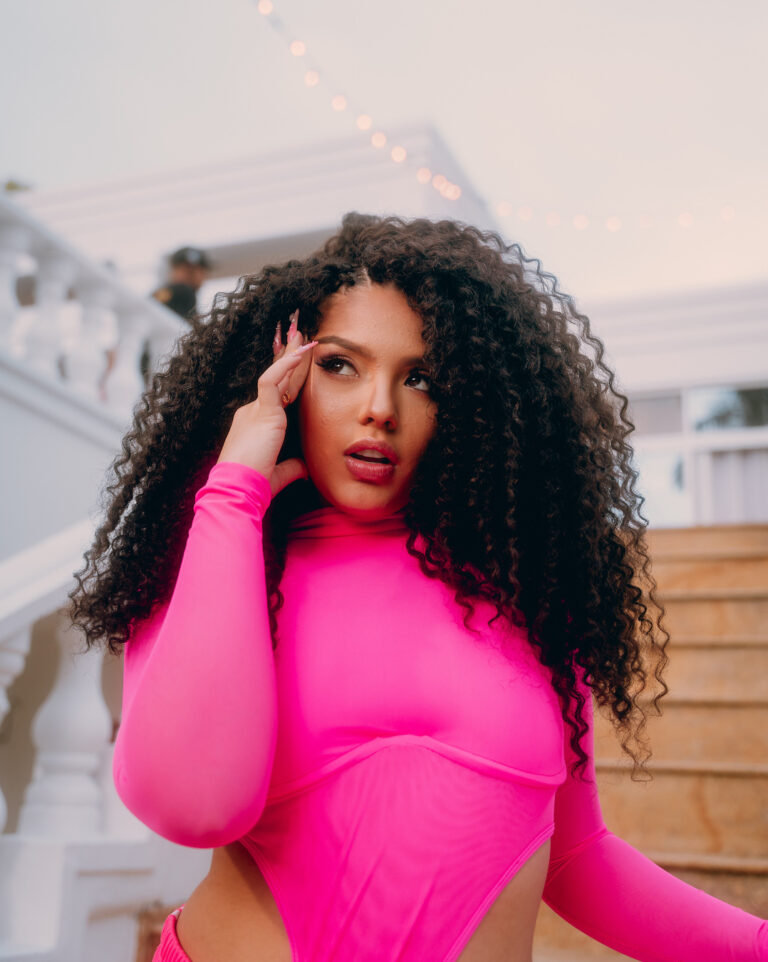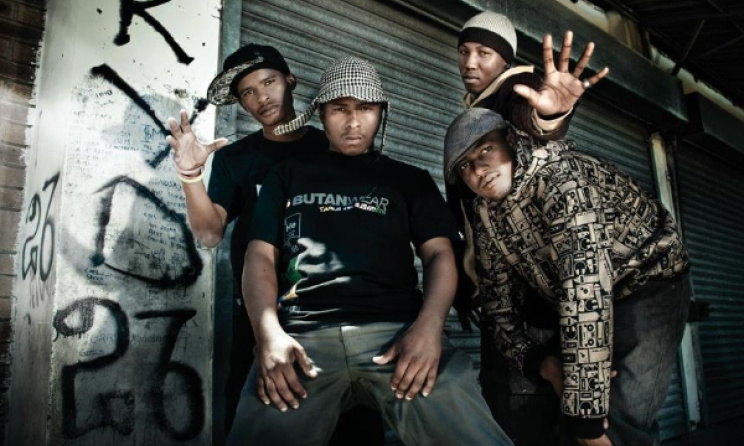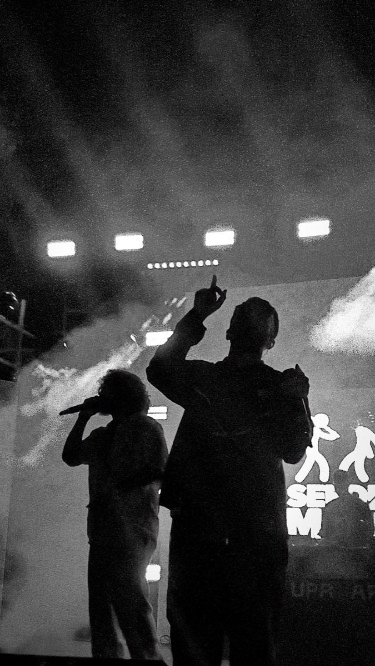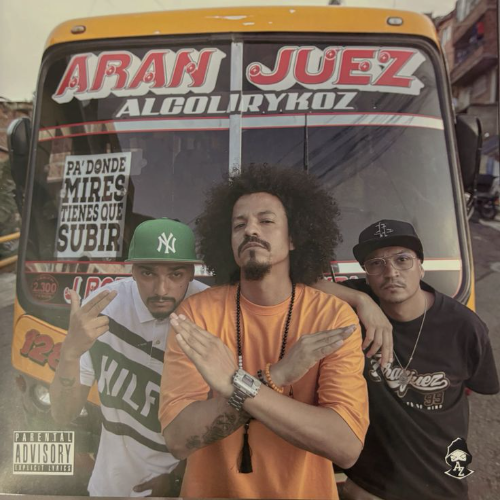
In Colombia’s toughest neighborhoods—where violence, poverty, and neglect have long shaped young lives—hip-hop has become more than just music. It’s a movement. A classroom. A lifeline. Through rap, graffiti, dance, and DJing, at-risk youth are finding new ways to express themselves, heal trauma, and rewrite their futures. Across the country, from Medellín to Bogotá, hip-hop is transforming from rebellion into education, giving young people the power to learn, lead, and live differently.
The Classroom in the Streets
In many barrios, formal education feels distant. Schools lack resources, teachers are underpaid, and opportunities are scarce. But hip-hop stepped in where the system failed. Street corners became classrooms. Beats replaced blackboards. Microphones replaced textbooks.
In the 1990s and early 2000s, community leaders realized hip-hop could do more than entertain—it could teach. It offered lessons in rhythm and rhyme, but also in resilience, teamwork, and critical thinking. The message was simple: you don’t have to pick up a gun to be heard—pick up a mic.
Medellín’s Hip-Hop Miracle
Perhaps the best example of hip-hop’s educational power is Medellín, once known for violence, now celebrated for transformation. The city’s Casa Kolacho, located in Comuna 13, became a global symbol of change. Founded by former rappers and activists, the center teaches music production, graffiti, breakdancing, and community leadership to local youth.
Their motto—“Del dolor nace arte” (from pain comes art)—captures their mission. Casa Kolacho doesn’t just train artists; it creates mentors, entrepreneurs, and cultural ambassadors. Many graduates now lead workshops in other communities, proving that creativity can be more powerful than crime.
This project inspired others across the country. In Bogotá, La Familia Ayara, founded by rapper Diana Avella and her team, combines hip-hop with education, social justice, and gender awareness. Their programs teach not only how to rap or paint but how to think critically about society and one’s role in it.
More Than Music: Life Skills Through Art
These initiatives go beyond beats and rhymes. They build discipline, confidence, and purpose. Students learn communication, public speaking, teamwork, and even entrepreneurship.
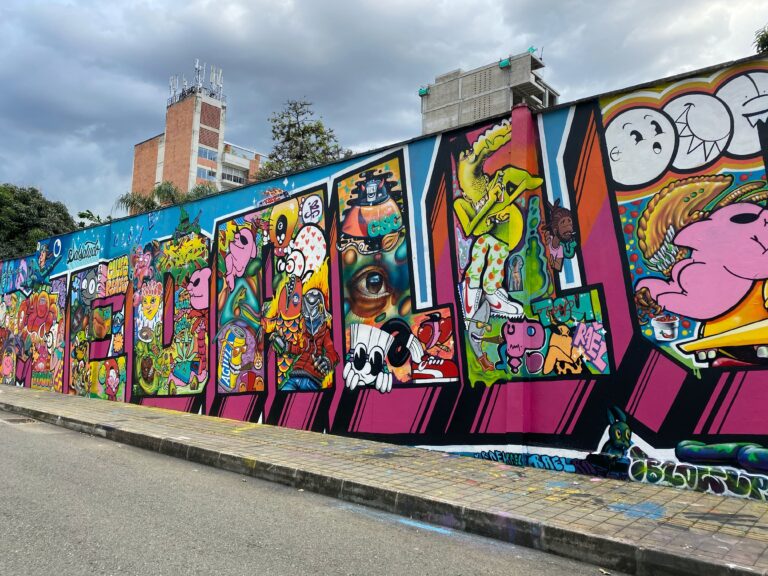
Workshops often include discussions about mental health, peacebuilding, and identity. Through writing lyrics, young people process pain—loss, trauma, discrimination—and turn it into poetry. Through graffiti, they reclaim abandoned walls and turn them into canvases of hope.
In Cali and Cartagena, similar projects help displaced youth rebuild their lives through creativity. By merging hip-hop with therapy and storytelling, these programs transform “forgotten kids” into “future leaders.”
Hip-Hop as a Bridge
One of the most beautiful things about these programs is how they bridge divides. In cities still marked by inequality and conflict, hip-hop unites kids from different backgrounds. Whether from rich or poor neighborhoods, everyone speaks the same language—the rhythm of the streets.
Teachers and social workers have noticed that students involved in hip-hop programs show improved school attendance and better emotional regulation. They become community leaders rather than followers of negative influence.
In Medellín, local government even funds hip-hop festivals and workshops because they’ve seen real results—lower crime rates, higher youth engagement, and pride in cultural identity.
Empowering Women and Marginalized Voices
Colombia’s hip-hop education movement is also breaking gender barriers. Programs like Mujeres al Mic create safe spaces for young women to learn, rap, and lead. Here, female MCs and dancers challenge sexism while inspiring younger girls to use their voices boldly.
Afro-Colombian and Indigenous youth, too, are using hip-hop to preserve heritage. In places like San Basilio de Palenque, rappers mix Spanish with Palenquero language, teaching both pride and history through rhythm. It’s not just music—it’s cultural preservation disguised as a freestyle session.
From At-Risk to Artist
Countless stories prove the power of these programs. Kids once labeled “troublemakers” are now professional artists, producers, teachers, and activists. Former gang members have become mentors, showing others that a life of creativity can replace a life of crime.
One standout story is that of Jeihhco, co-founder of Casa Kolacho. Once surrounded by violence, he turned to hip-hop as an escape. Now, he’s a global speaker and educator, teaching that rap isn’t just rebellion—it’s reconstruction.
The Future of Hip-Hop Education in Colombia
With growing support from cultural organizations and local governments, hip-hop education is expanding fast. Festivals like Hip Hop al Parque include workshops for kids, offering a gateway into the culture.
Online platforms now allow Colombian rappers to reach classrooms across Latin America, spreading lessons of empowerment and resilience. The next step is integrating hip-hop into school curriculums—something many educators are already exploring.
The goal is simple: make hip-hop not just an extracurricular activity but a recognized form of learning. Because when students see their stories valued in art, they start believing in their future again.
Conclusion
In Colombia, hip-hop has evolved from protest music to a movement for progress. What once began as an act of defiance is now an act of hope. Through rap, graffiti, and dance, young Colombians are discovering who they are—and who they can become.
Every rhyme written in a barrio classroom, every beat dropped in a youth workshop, is a small revolution. It’s proof that education doesn’t have to come from institutions—it can come from the heart, the streets, and the rhythm that connects us all.
Hip-hop has given Colombia’s youth not just a mic, but a mission: to transform their reality, one verse at a time.
About the Author