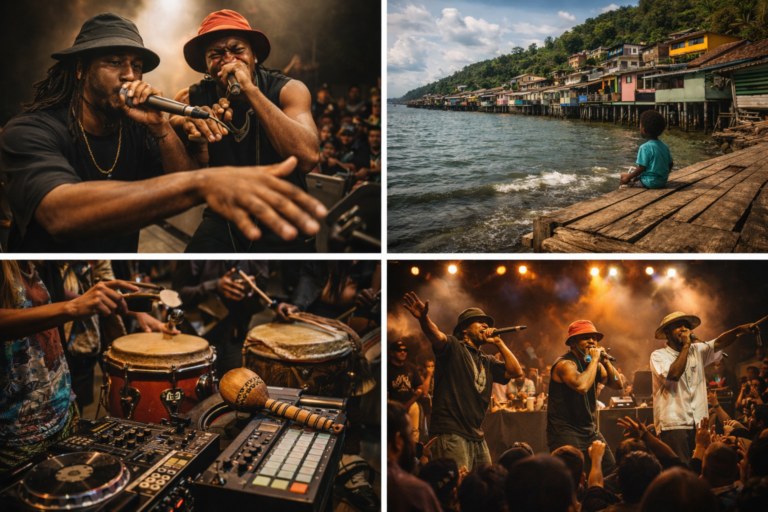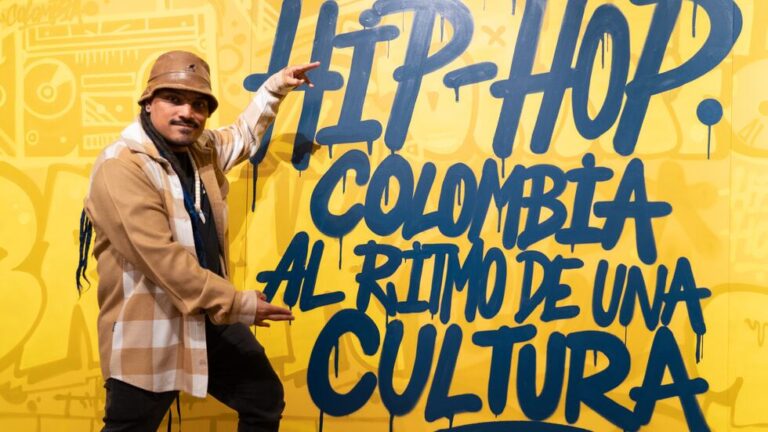
For years, Colombian hip-hop has been a voice for rebellion, truth, and identity. But within that loud and expressive movement, women have had to fight to be heard, respected, and recognized. From the barrios of Bogotá to the coastal towns of Cartagena, female MCs, producers, dancers, and graffiti artists are breaking barriers, rewriting the rules, and reshaping what it means to be a hip-hop artist in Colombia.
The Early Struggle
In the 1990s, as groups like La Etnnia and Gotas de Rap were establishing Colombia’s hip-hop foundation, women were mostly left in the shadows. The culture was male-dominated — studios, freestyle battles, and performance stages were often unwelcoming spaces for women. But despite the resistance, female rappers began carving their paths, tackling gender inequality both in music and in everyday life.
The Rise of Female Voices
Over the last decade, Colombian hip-hop has seen a new wave of empowered women who rap, produce, DJ, and lead movements. Artists like Lianna, Diana Avella, and Tash have proven that lyricism has no gender.
- Lianna, known for her soulful fusion of R&B and rap, has become a beacon for women balancing vulnerability and strength in their art. Her songs often address love, identity, and resilience.
- Diana Avella, one of Bogotá’s most respected lyricists, has long been a voice for women’s rights, education, and political change. She’s turned stages into classrooms, teaching hip-hop as empowerment.
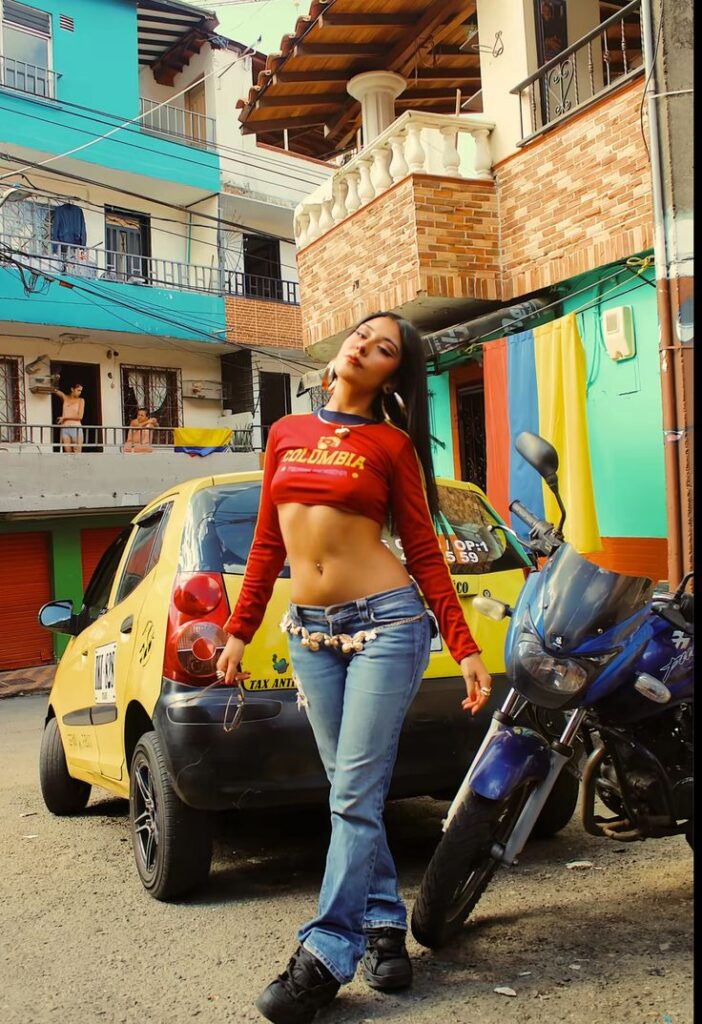
- Tash and other emerging talents represent a new generation—women who rap unapologetically, embracing both softness and fire, with messages rooted in everyday experiences of being a Colombian woman.
More Than Music: The Message Behind the Mic
What makes women in Colombian hip-hop truly powerful is how they transform pain into poetry. Their lyrics often speak about domestic violence, discrimination, motherhood, and the fight for visibility.
They use music as a mirror—reflecting the untold stories of Colombian women from diverse cultural and racial backgrounds.
Many female rappers come from Afro-Colombian or Indigenous roots, adding layers of cultural identity and pride to their music. They challenge not only patriarchy but also racism and classism, blending traditional rhythms like cumbia or champeta with hard-hitting beats to create something authentically theirs.
The Producers, Dancers, and Graffiti Queens
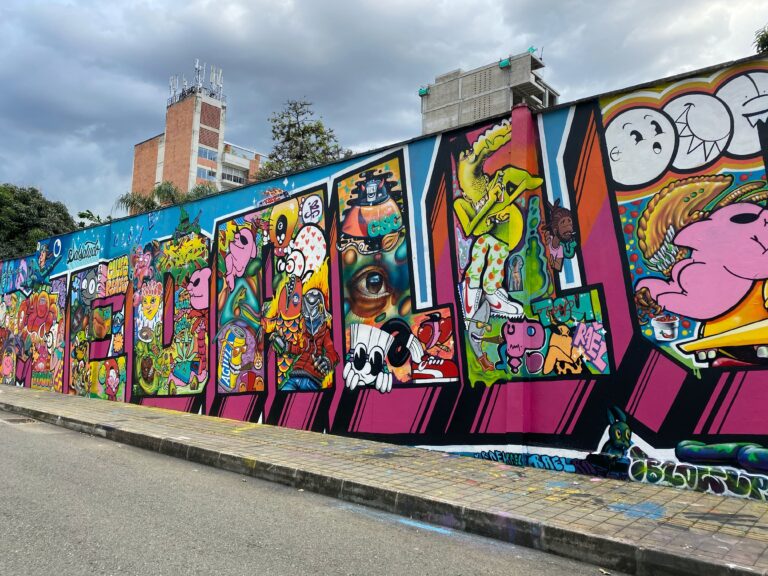
Beyond the mic, women are making their mark behind the scenes. Female producers are engineering tracks and shaping soundscapes once dominated by men. Breakdancers and graffiti artists—like Ledania, whose colorful murals have turned Bogotá’s walls into vibrant galleries—are also vital to Colombia’s hip-hop ecosystem.
Each dance move and mural tells a story of resistance, creativity, and freedom. In a culture built on expression, women have claimed their space not through confrontation, but through creation.
Sisterhood in the Scene
Another powerful aspect of this evolution is sisterhood. Female artists in Colombia are collaborating more than ever—sharing resources, performing together, and mentoring younger girls.
Projects like Hip Hop Fémina and Mujeres al Mic create safe spaces for women to express themselves and find community through art. These initiatives are crucial for breaking the cycles of silence and inequality that still linger in parts of the industry.
Facing the Challenges
Even with progress, the road is far from smooth. Many female artists still face sexism, underpayment, and lack of exposure. Festival lineups remain mostly male, and social media trolls often target outspoken women. But the resilience of Colombian women in hip-hop continues to set the tone for future generations.
They are proof that hip-hop in Colombia isn’t just about rhymes—it’s about revolution, and women are leading some of the most important verses of that story.
A New Era of Balance
Today, the Colombian hip-hop scene is witnessing a cultural shift. Women are no longer guests; they’re leaders, producers, educators, and icons. The presence of female artists brings new energy—emotional depth, community care, and fierce independence—to a movement once defined by masculine energy.
From street battles to sold-out festivals, women are standing shoulder-to-shoulder with their male peers, proving that hip-hop is for everyone, and that diversity fuels its growth.
Conclusion
Colombian hip-hop has always been about the people—the struggles, the streets, and the stories. Women have taken that message and turned it into a weapon of transformation. They’re painting the city, moving the stage, and commanding the mic with confidence that can’t be ignored.
As they continue to rise, one truth becomes clear: Colombian hip-hop’s future is female—and it’s just getting started.
About the Author