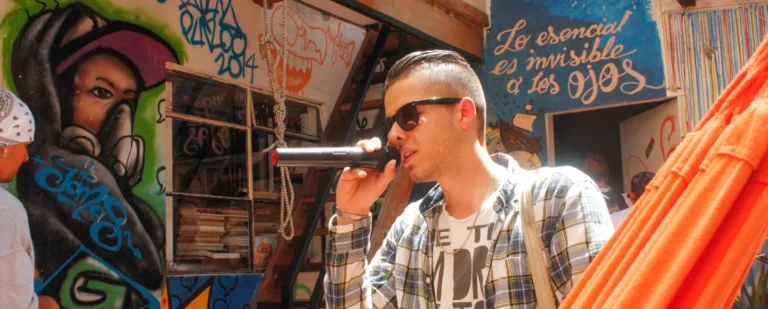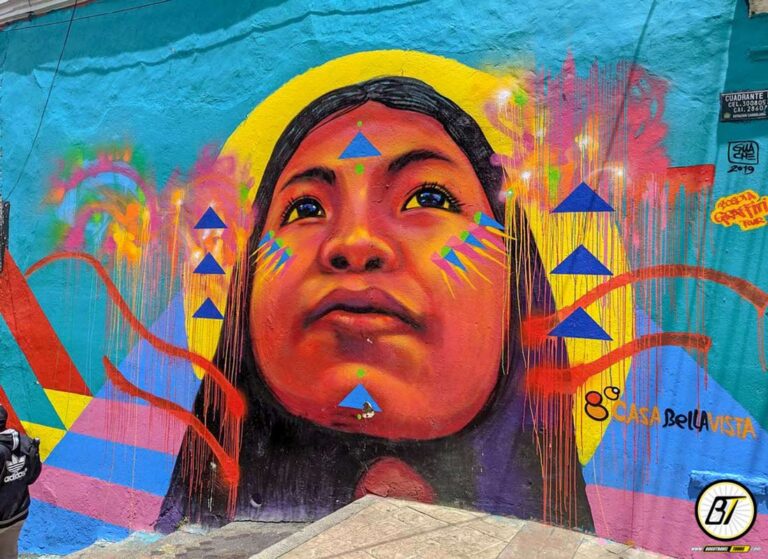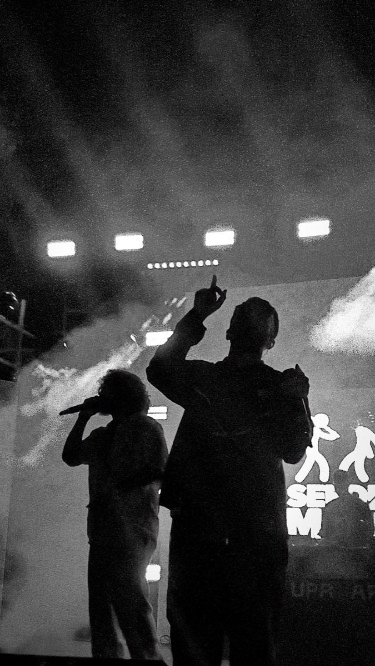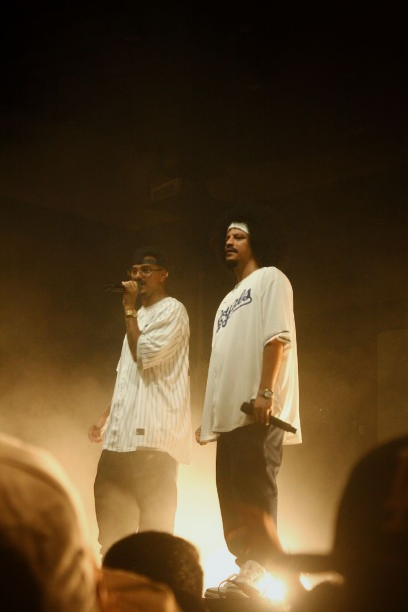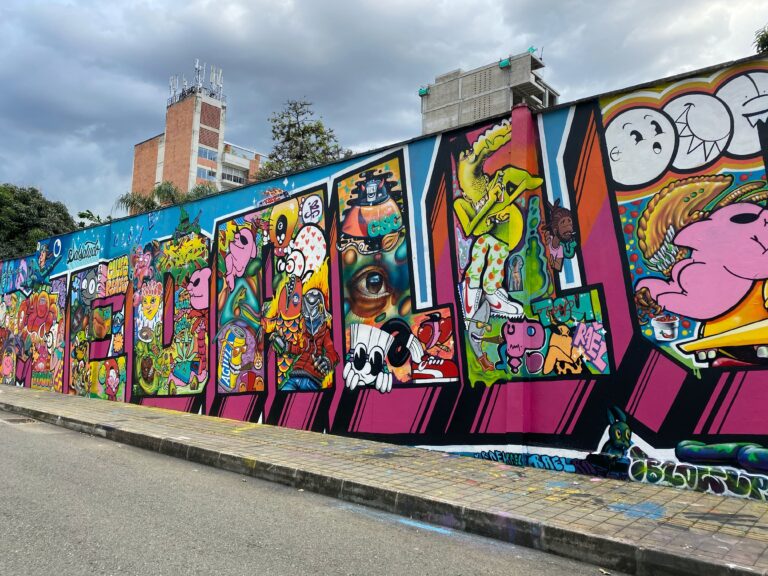
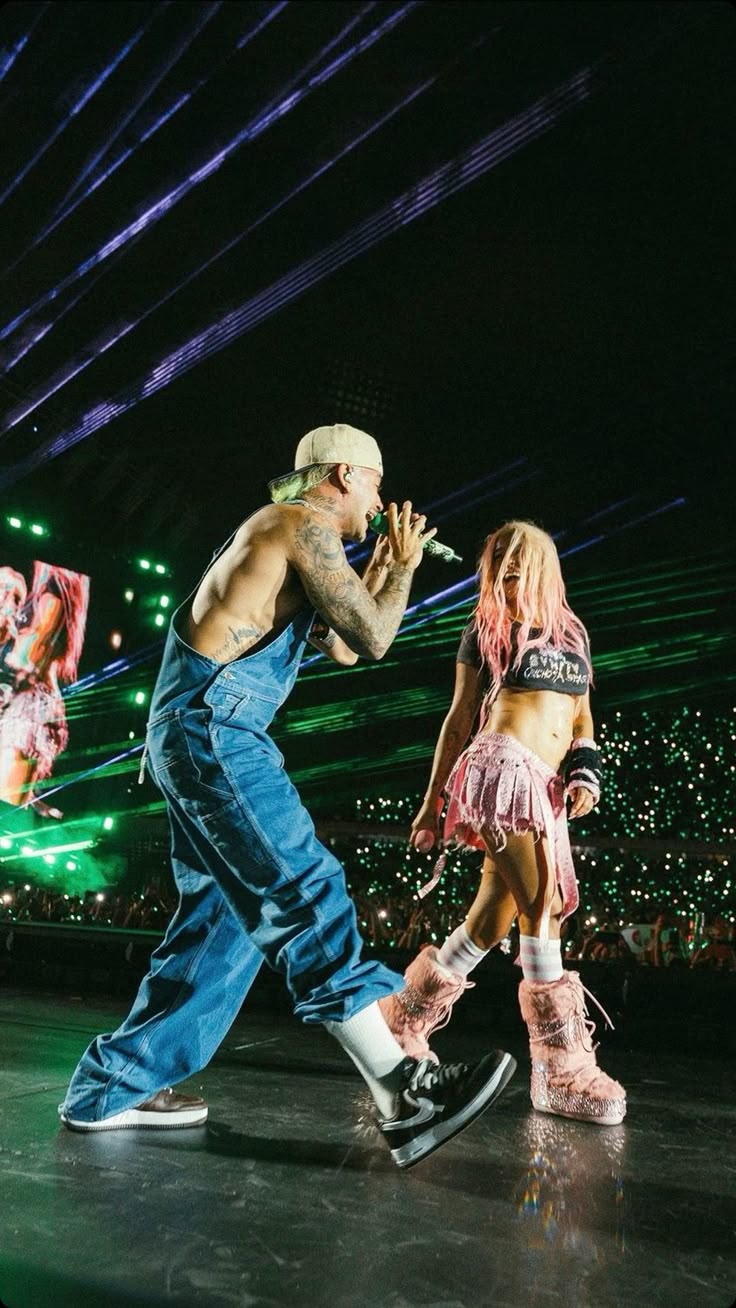
In Colombia, hip-hop isn’t just a sound—it’s a statement. From the graffiti-filled walls of Bogotá to the coastal rhythms of Cartagena, rap has evolved into a social tool, a protest, and a cry for justice. What began as an artistic movement influenced by the Bronx and global street culture has grown into a uniquely Colombian form of resistance. Hip-hop here doesn’t just entertain—it educates, mobilizes, and heals.
Hip-Hop as a Mirror of Society
Colombia has faced decades of inequality, violence, and political unrest. Many neighborhoods were forgotten by policymakers but not by the youth. In those streets, hip-hop became a mirror—reflecting the pain, pride, and perseverance of communities living on the margins.
Rappers from barrios like Ciudad Bolívar, Comuna 13, and Soacha began using their verses to express what the media often ignored: poverty, corruption, displacement, and police brutality. Through rhymes, they reclaimed their stories and demanded accountability.
The Streets as Classrooms
Hip-hop in Colombia became a form of grassroots education. MCs and community leaders began using rap workshops to teach kids about self-worth, peace, and creative expression. These programs—especially in cities like Medellín and Cali—helped steer young people away from gang life, replacing weapons with words.
Groups like C15 in Medellín, Aerophon Crew, and La Etnnia in Bogotá pioneered this community-focused approach. They turned hip-hop into a safe space, where storytelling replaced violence, and rhythm replaced fear.
In Bogotá, collectives like Son Bata and Zona Marginal host cultural events combining rap, graffiti, and dance with discussions about human rights and social justice. These aren’t just shows—they’re movements, blending art with activism.
Voices Against Violence and Corruption
Colombian rappers have long called out political corruption and systemic abuse. They do so with courage, often risking backlash for speaking truth to power. Songs tackle topics like police violence, land rights, environmental destruction, and inequality.
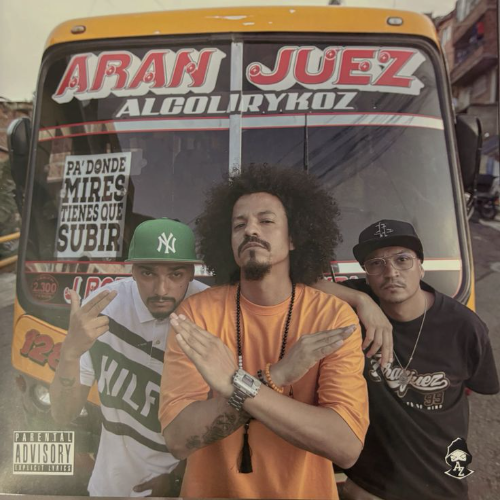
Alcolirykoz, one of Medellín’s most respected rap groups, has used storytelling to highlight everyday struggles while subtly addressing corruption and social hypocrisy. Meanwhile, Lianna, Nanpa Básico, and Diana Avella use poetic introspection to turn trauma into empowerment. Their art reminds listeners that peace isn’t silence—it’s justice.
During the 2021 national protests, many rappers became frontline activists. Tracks and freestyles documenting police brutality went viral, amplifying the voice of the people when mainstream outlets stayed silent. Music videos became visual manifestos, with artists performing amidst tear gas, murals, and marches.
Hip-Hop and Environmental Awareness
In recent years, Colombian hip-hop has embraced another frontier—environmental activism. Artists from rural and coastal regions have begun addressing climate change, deforestation, and pollution through music.
Collectives like Cumbiatón por la Tierra blend hip-hop with indigenous and Afro-Colombian sounds to promote ecological consciousness. They remind their audiences that the fight for social justice includes the fight for the planet. Through beats and bars, they reframe environmentalism as both a cultural and political struggle.
Feminist and LGBTQ+ Movements Through Rap
Hip-hop in Colombia has also become a platform for feminist and LGBTQ+ voices. Female MCs like Diana Avella, Tash, and Las Krudas use rap to challenge machismo culture, gender-based violence, and stereotypes within both society and the hip-hop scene itself.
Lyrics that once revolved around rebellion against external oppression now also target internal biases—patriarchy, sexism, and exclusion. By blending feminist thought with street language, these artists have built bridges between activism and identity.
The LGBTQ+ community, too, has found strength in hip-hop. Through bold verses and unapologetic expression, queer rappers are carving their own narrative within a scene that has historically been heteronormative. This evolution has made Colombian hip-hop more inclusive, reflective, and revolutionary.
Community Healing Through Culture
Beyond protest, hip-hop in Colombia offers healing. In communities torn apart by violence, rap workshops and graffiti murals have become tools for reconciliation.
Programs like Hip Hop al Barrio and Escuelas de Hip-Hop invite ex-combatants, victims of displacement, and youth from rival neighborhoods to collaborate creatively.
These initiatives transform trauma into dialogue and rhythm into reconciliation. In doing so, they prove that hip-hop can be both political and therapeutic—a bridge between pain and purpose.
The Power of Unity and Legacy
Colombian hip-hop’s strength lies in its unity. Rappers, DJs, dancers, and graffiti artists work together to amplify social causes, often collaborating across genres and generations. Whether through street performances or online platforms, the goal remains the same: to inspire change.
What started as an imported art form has become an authentic reflection of Colombian identity—diverse, defiant, and deeply human. Through hip-hop, the country’s youth continue to prove that resistance doesn’t always require weapons—sometimes, all it takes is a mic, a beat, and the courage to speak.
Conclusion
Hip-hop in Colombia is far more than a musical movement. It’s a cultural revolution rooted in social consciousness and love for community. Every rhyme against injustice, every mural for peace, every workshop for the next generation adds another verse to Colombia’s evolving story of resilience.
In a world still divided by inequality, Colombian rap reminds us that words can build bridges, rhythm can unite, and art can save lives.
About the Author