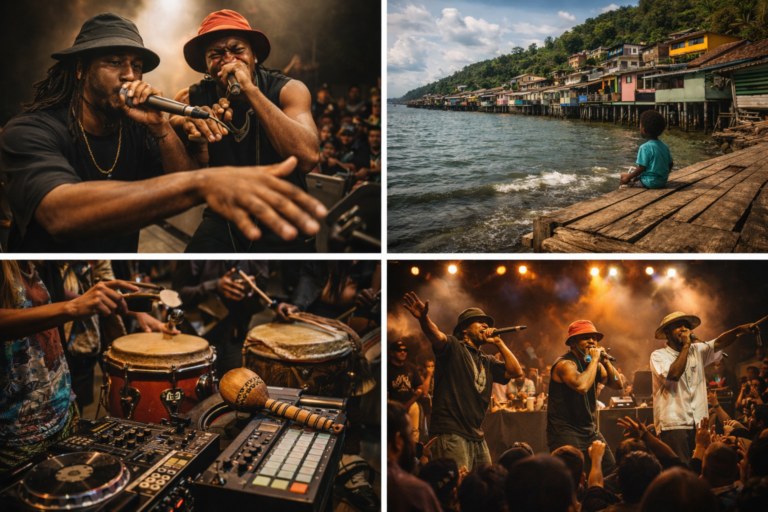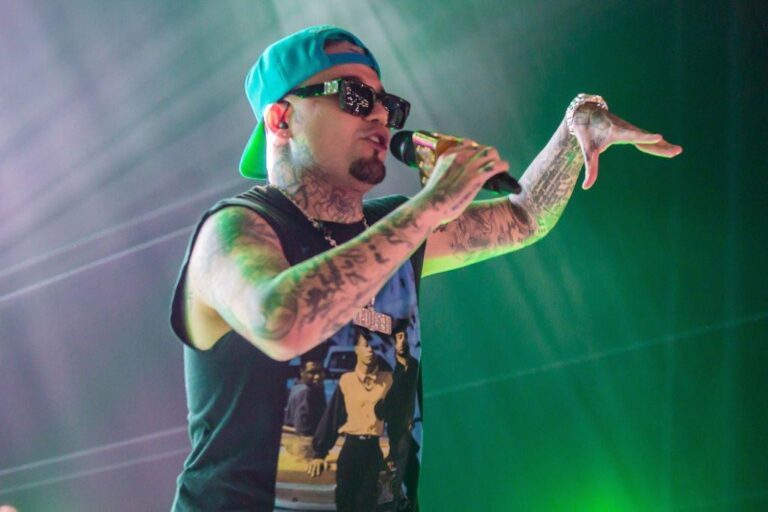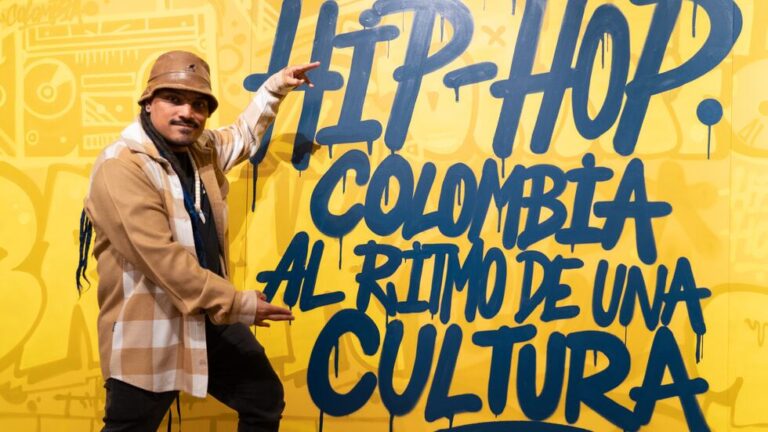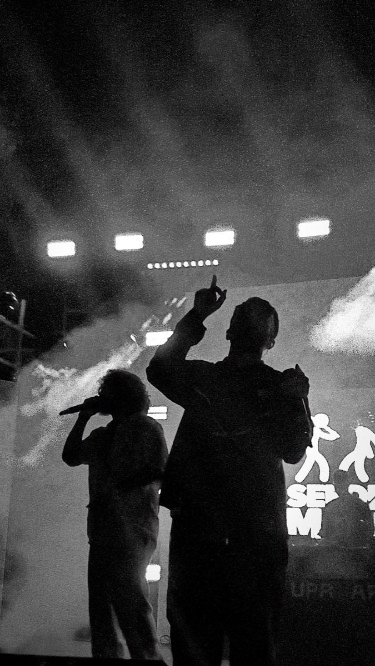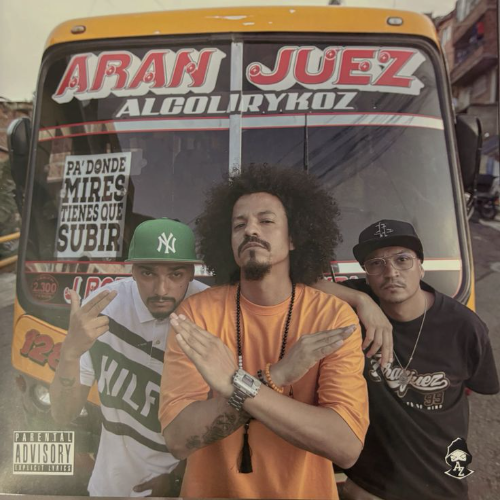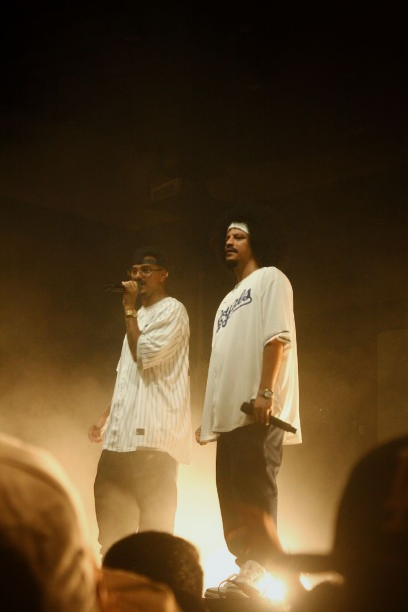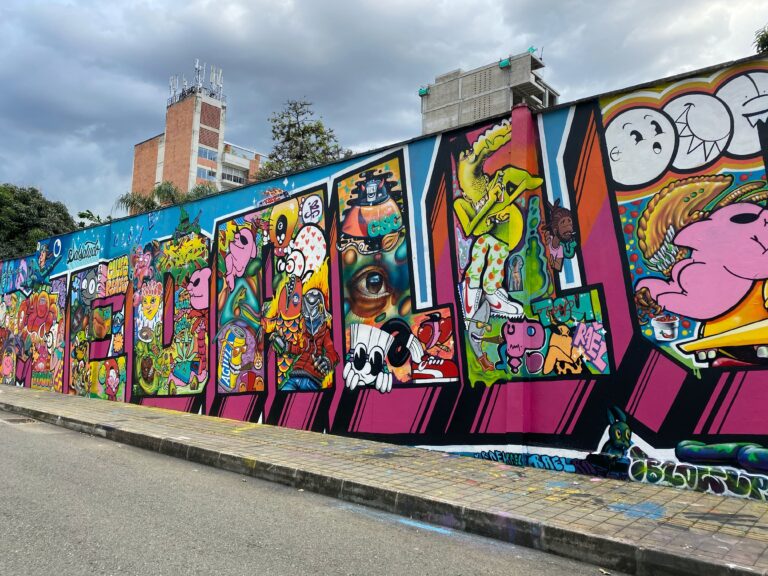
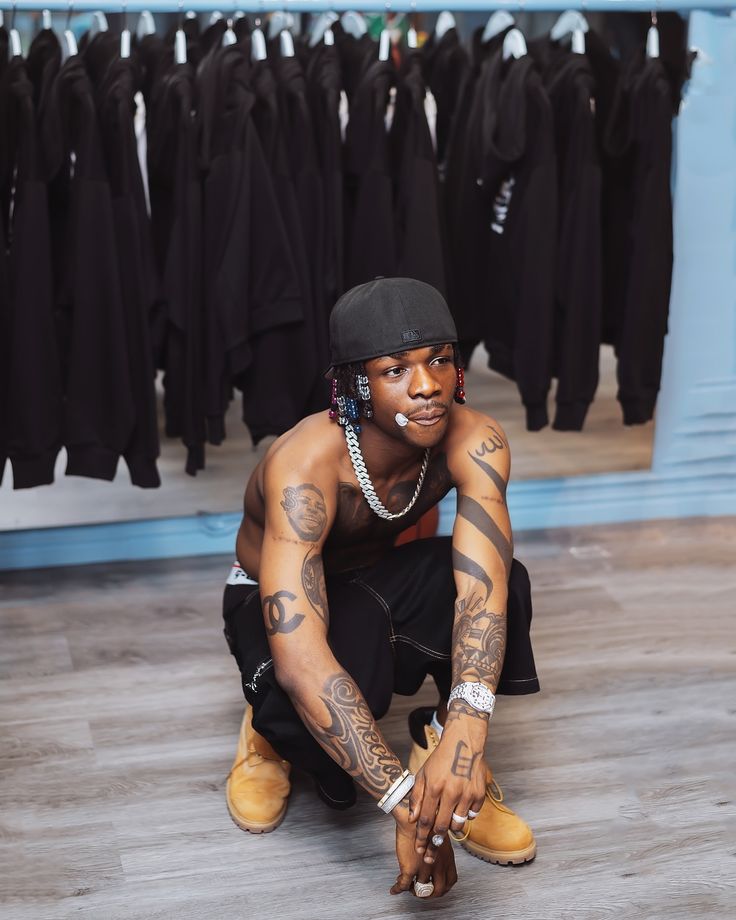
Colombia’s hip-hop scene is in full bloom, and nowhere is this more evident than in its rising stars. From the bustling streets of Bogotá to the creative hubs of Medellín, Cali, and Barranquilla, a new generation of MCs, DJs, and producers are redefining what Latin American rap sounds like. They’re mixing raw lyricism with Afro, Indigenous, and street influences and they’re doing it with authenticity that hits deep.
The New Voice of the Streets
Today’s emerging Colombian artists grew up surrounded by both struggle and innovation. They watched global icons like Nas, Kendrick Lamar, and Calle 13 but they also inherited the energy of pioneers like La Etnnia and Alcolirykoz. What sets this new wave apart is their storytelling. Their verses capture everyday realities: gentrification, migration, identity, and dreams of social change.
These MCs aren’t chasing mainstream fame they’re speaking for neighborhoods, for cultures, for survival. Many record in home studios, drop freestyles online, and collaborate across cities. Their grind is pure independence.
1. Lianna (Medellín)
Lianna has quickly become one of Colombia’s most respected voices. Known for her soulful tone and reflective lyrics, she bridges neo-soul and hip-hop effortlessly. Her tracks like “Como el Agua” and “Del Otro Lado” touch on resilience, womanhood, and inner peace themes that resonate deeply in Colombia’s current youth culture.
She’s also been active in workshops that mentor young girls in music production, encouraging more women to take control behind the boards.
2. ZetaZeta (Bogotá)
From Bogotá’s freestyle scene comes ZetaZeta an MC with razor-sharp bars and magnetic stage presence. He rose through battle circuits before dropping independent EPs blending lo-fi beats and introspective rap.
ZetaZeta’s lyrics tackle social inequality, police brutality, and the challenges of youth identity in Colombia’s capital. He’s one of those rare rappers who can both battle hard and drop something poetic the next minute.
3. Diana Avella (Bogotá)
Diana Avella is more than a rapper she’s an activist and cultural educator. One of the first prominent female MCs in Colombia, her work paved the way for younger artists. Today, she uses hip-hop as a tool for empowerment in schools and community spaces, teaching that rhythm and resistance go hand in hand.
4. Rap Bang Club (Bogotá)
This duo Pezcatore and Karin B represents the sound of evolution. They blend hip-hop with trap, funk, and even salsa samples, creating tracks that slap in clubs but still tell stories of barrio life. Their bilingual flows have also helped them reach international audiences, putting Bogotá on the global map.
5. Yung Sarria (Cali)
Yung Sarria is part of the newer wave merging reggaetón, drill, and hip-hop. His sound is gritty yet melodic, often touching on hustler ambition and street survival. Cali’s underground scene has embraced him for his raw authenticity and refusal to commercialize too early.
6. Are MC (Barranquilla)
Representing Colombia’s Caribbean coast, Are MC is known for using hip-hop to amplify Afro-Colombian identity. Her verses often weave in traditional rhythms, chants, and cultural pride. She’s also a fierce advocate for gender equality in music spaces, building collectives that train young female rappers.
Independent Hustle & DIY Spirit
Unlike the mainstream reggaetón scene, most Colombian hip-hop artists operate outside major labels. They rely on streaming platforms, Instagram lives, and YouTube cyphers to get noticed. What makes them powerful is the sense of community — artists shout each other out, collaborate freely, and even help promote each other’s events.
Collectives like Colombian Rap Union and Escuelas de Hip-Hop act as incubators, giving upcoming talent exposure and education in production, branding, and distribution.
The Power of Digital Platforms
With the rise of Spotify playlists like Flow Latino and YouTube channels dedicated to Latin rap, artists now reach global ears from small home setups. TikTok has also become a launchpad — short freestyles and snippets often go viral, leading to collaborations with producers across borders.
But staying independent has its costs. Without label backing, many artists struggle with funding, marketing, and studio access. Still, this DIY energy keeps the culture authentic — closer to the people, unfiltered, and passionate.
Community and Collaboration
What’s beautiful about the Colombian hip-hop scene is how it thrives on unity. Veteran artists often mentor newcomers. Local events like Hip-Hop al Parque and Batalla de los Gallos become platforms for discovery, with talent scouts and fans discovering the next big names.
Workshops, cyphers, and jam sessions happen almost weekly across Bogotá, Medellín, and Cali — proving that for these artists, hip-hop isn’t just a career. It’s a calling.
Looking Ahead
The new wave of Colombian MCs, producers, and DJs represents something much bigger than music — it’s cultural renaissance. They’re fusing sound, art, and activism to tell stories that matter. In their verses, Colombia finds healing, rebellion, and pride.
As these names grow, they’ll continue to shape how the world hears Colombian hip-hop — not as a copy of American rap, but as a vibrant movement rooted in its own soil, struggles, and soul.
By Eli Jesse | HiphopBogota.com
About the Author