Colombian hip-hop is thriving like never before, but the journey from underground cyphers to mainstream success is filled with both opportunities and challenges. From the barrios of Bogotá to the coastal rhythms of Cartagena, artists are crafting powerful stories that reflect their realities. Yet, many of these same voices face uphill battles with visibility, funding, and fair compensation.
In Colombia, the divide between independent and mainstream hip-hop isn’t just about fame—it’s about creative control, access, and survival.
The Independent Spirit: Hustle, Heart, and Home Studios
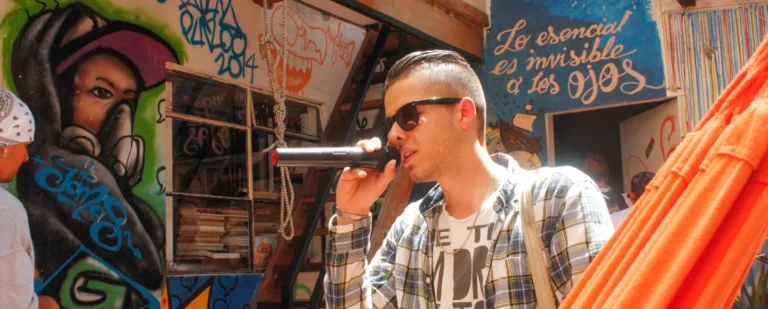
The backbone of Colombian hip-hop has always been its independent artists. With limited access to major label deals, many rappers build their sound from the ground up—literally recording in bedrooms, community studios, or makeshift booths.
These artists rely heavily on DIY culture: producing their own beats, shooting their own videos, and promoting music through grassroots events or social media. Platforms like YouTube, SoundCloud, and Bandcamp have become vital for distribution, allowing independent rappers to reach audiences far beyond their city limits.
Collectives such as Crew Peligrosos, Aerophon Crew, and Kombilesa Mi prove that independence doesn’t mean obscurity—it means authenticity. They represent the heartbeat of Colombian hip-hop: unfiltered, local, and fearless.
But independence comes at a cost. Many artists struggle with access to professional equipment, high-quality marketing, and consistent revenue streams. Monetization often depends on small gigs, merchandise, or workshops rather than royalties or sponsorships.
The Mainstream Path: Exposure and Its Price
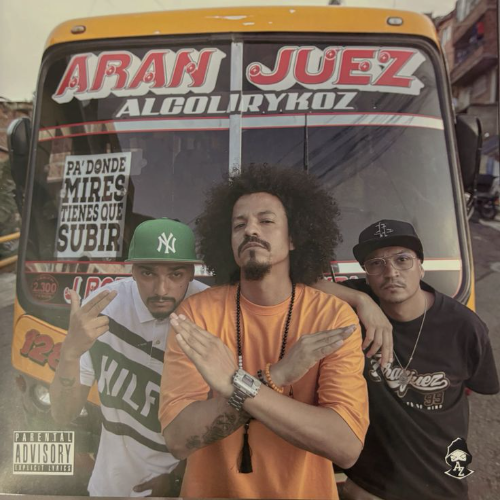
Breaking into the mainstream can be a dream come true or a double-edged sword. When Colombian hip-hop began gaining recognition in the late 2000s, thanks to groups like ChocQuibTown and Alcolirykoz, the industry started to pay attention. Record labels and corporate sponsors saw hip-hop’s potential, but they also saw an opportunity to commercialize it.
Mainstream artists enjoy broader distribution through streaming giants like Spotify, Apple Music, and Deezer, and they often appear on national TV or festival lineups. But that visibility sometimes comes with creative constraints. Labels may push for radio-friendly content over raw political storytelling, diluting the social message that made hip-hop powerful in the first place.
Still, for many rappers, signing with a label can mean better production, collaborations, and the financial freedom to focus on music full-time. Artists like Ali A.K.A. Mind have found ways to balance authenticity with professionalism, proving it’s possible to walk both worlds.
Streaming Platforms: Blessing or Trap?
In the digital era, streaming platforms have become both saviors and silencers. While Spotify and YouTube give independent Colombian artists a global audience, the financial return is often meager. A track might get thousands of plays, yet generate just a few dollars.
This system favors artists with marketing budgets, playlists placements, and label backing. Underground rappers without those resources struggle to compete for visibility. Some even criticize streaming giants for creating a “pop filter”—a system where political or experimental tracks get buried under algorithmic trends.
That’s why many Colombian hip-hop artists are turning to alternative platforms like Audiomack or local collectives that host digital mixtapes. It’s a rebellion against the algorithm—a return to community-based distribution.
The Role of Labels and Collectives
In Colombia, hip-hop labels aren’t just about contracts—they’re about family. Independent collectives like La 33 or Subterránica help artists collaborate, share resources, and distribute music collectively. These networks also organize events like Hip Hop al Parque, where underground artists get the spotlight alongside established acts.
Meanwhile, some mainstream labels are learning to adapt—offering fairer deals or signing artists without forcing them to change their sound. The result is a new kind of hybrid artist: independent in spirit, but strategic in business.
Monetization & Survival
For most Colombian hip-hop artists, survival depends on diversifying income streams. Beyond streaming, many teach workshops, run studios, sell merch, or perform at cultural events. Some receive funding through government programs like Idartes, which supports artistic innovation in Bogotá.
The internet has also opened new doors for crowdfunding and patron-based support, where fans directly fund projects via Patreon or Kickstarter. This model gives artists autonomy while strengthening community ties.
Yet, economic uncertainty remains a daily reality. With few copyright protections and minimal support for independent labels, sustaining a career in hip-hop still takes resilience and strategy.
Cultural Impact: Beyond the Business
What keeps Colombian hip-hop alive isn’t the money—it’s the message. Whether mainstream or underground, the genre remains a vessel for truth-telling, identity, and resistance. Even artists who break into the commercial market often carry their roots proudly, using their platform to shed light on social issues.
The tension between independence and mainstream success has, ironically, made Colombian hip-hop more dynamic. It forces artists to innovate, adapt, and constantly redefine what success means in a country where art is both political and personal.
Looking Ahead: Bridging the Gap
The future of Colombian hip-hop lies in collaboration, not competition. As technology and culture evolve, artists are finding creative ways to merge independence with sustainability. Initiatives like digital collectives, hip-hop incubators, and creative residencies are emerging to empower new voices.
The next generation of Colombian rappers doesn’t see “mainstream” and “independent” as opposites—they see them as options. The goal is to tell stories that matter, no matter the platform.
In the end, Colombian hip-hop is less about industry hierarchies and more about the pulse of its people. Whether in underground cyphers or glossy stages, the message remains the same: truth, rhythm, and rebellion will always find their beat.
About the Author