Hip-hop in Colombia didn’t start as a global trend or imported style it began as a voice for the unheard. What started as a handful of curious kids in Bogotá mimicking breakdancers and rappers they saw on smuggled VHS tapes has turned into one of Latin America’s most vibrant and socially conscious hip-hop movements.
By the late 1980s, Colombia was going through political turbulence, inequality, and the violent echoes of the drug wars. Against this backdrop, hip-hop arrived as more than entertainment it was resistance. Street corners became classrooms, and rap became a way to make sense of chaos.
The Birth of a Movement: Bogotá in the Late ’80s and Early ’90s
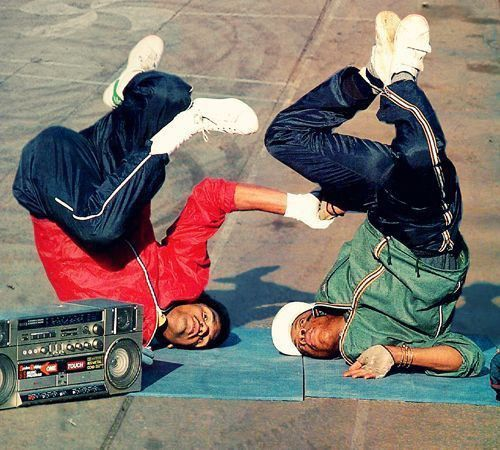
The earliest sparks of Colombian hip-hop came from Bogotá, where young artists started forming groups inspired by U.S. icons like Public Enemy and N.W.A. But unlike their American counterparts, Colombian rappers weren’t just rhyming about street life they were documenting survival.
Groups like Gotas de Rap and La Etnnia became pioneers. Gotas de Rap dropped politically charged verses about police brutality and inequality, while La Etnnia brought Afro-Colombian identity to the forefront. Their 1995 debut album El Ataque del Metano is now regarded as a cornerstone of Latin hip-hop, with lyrics that spoke directly to life in the barrios.
Graffiti, Breakdance, and DJ Culture Take Over the Streets
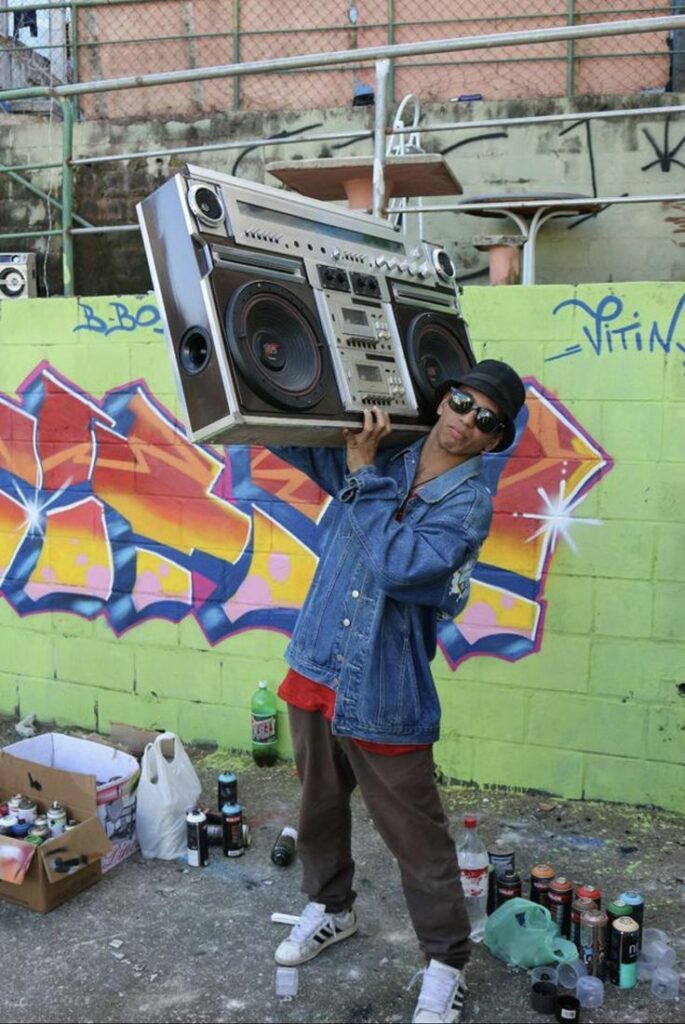
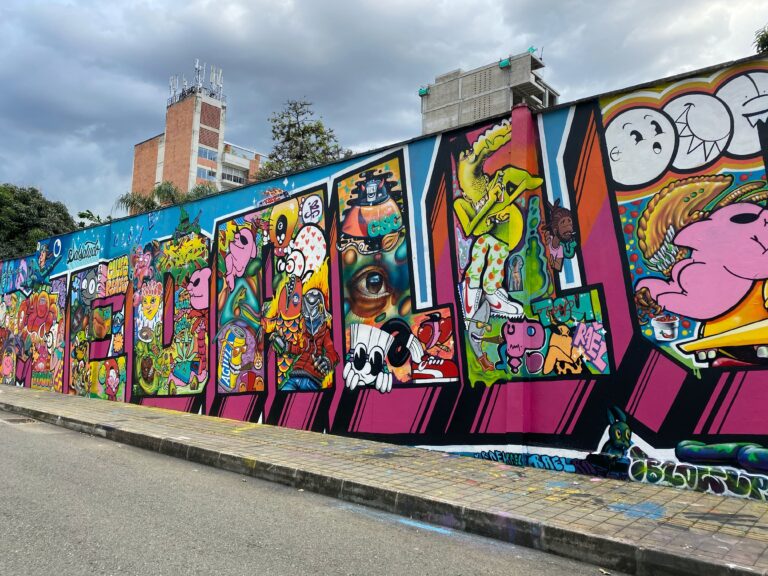
While rap was the lyrical weapon, graffiti became its visual counterpart. The walls of Bogotá and Medellín started telling stories of revolution and identity through color and texture. B-boys took over public plazas, turning concrete into dance floors. DJs experimented with cumbia, salsa, and traditional rhythmscreating a uniquely Colombian sound that separated the scene from U.S. hip-hop.
By the late ’90s, hip-hop wasn’t underground anymore it had become the cultural lifeblood of urban youth.
The 2000s: Hip-Hop Becomes a Movement
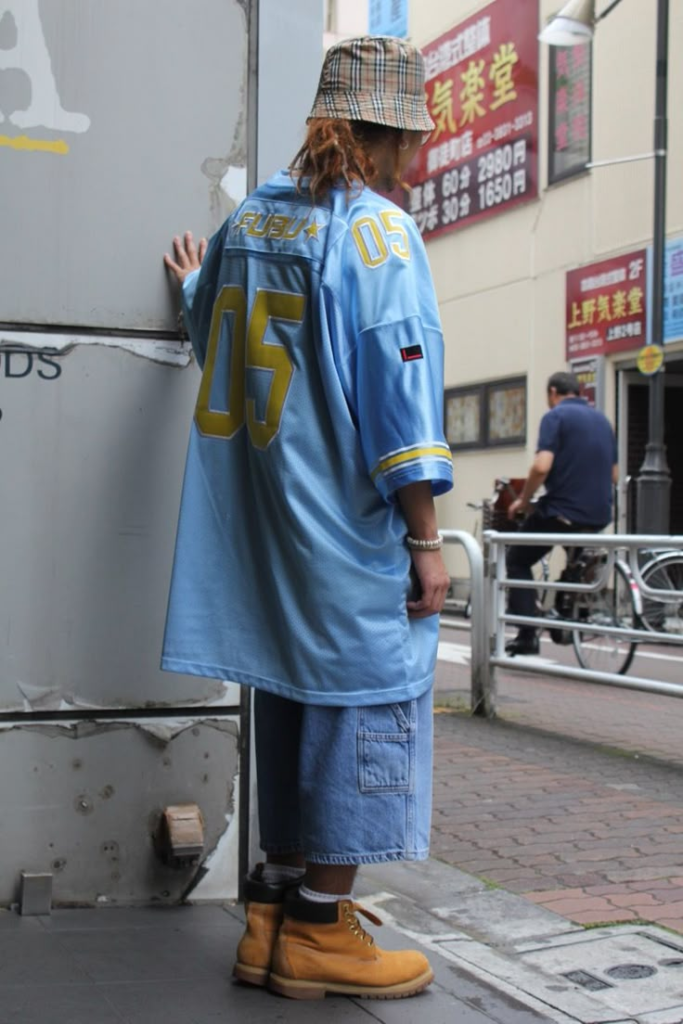
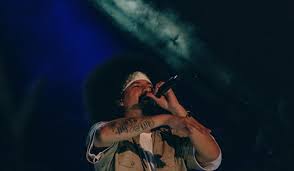
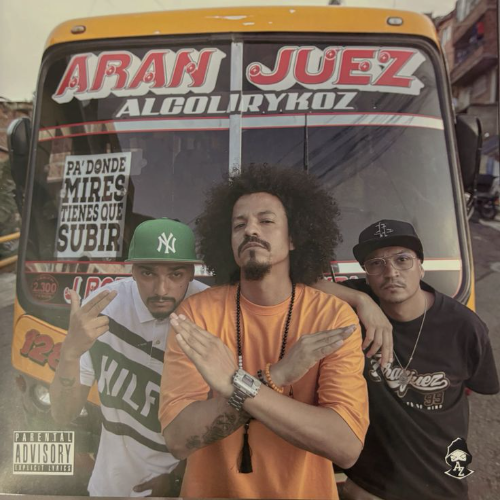
As Colombia entered a new millennium, the music matured. Artists like Alcolirykoz, Tres Coronas, and El Subcantante built on the foundations laid by their predecessors. Their music became more refined but no less raw. The 2000s saw the rise of community-based movements local rap schools, cultural collectives, and hip-hop festivals began to bloom.
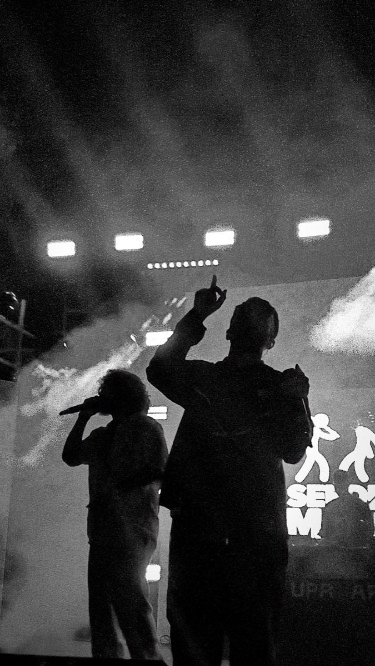
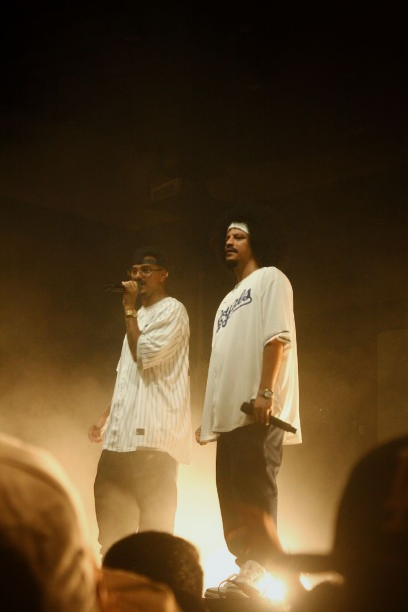
None symbolized this evolution more than Hip Hop al Parque, Bogotá’s massive annual festival that celebrates rap, breakdance, graffiti, and DJ culture. What started as a small municipal event became the largest free hip-hop festival in Latin America, drawing crowds of over 100,000. It gave local artists a global stage and inspired entire generations.
Social Resistance and Political Power in Lyrics
What makes Colombian hip-hop stand out isn’t just rhythm it’s purpose. During years of political unrest and social inequality, rappers became chroniclers of pain and resilience. Their lyrics painted vivid portraits of displacement, corruption, and survival. For many young Colombians, rap was the only medium that spoke truth without filters.
This honesty turned hip-hop into a movement for social change. In places like Medellín and Cali, local governments began recognizing hip-hop’s power to connect with marginalized communities. Hip-hop schools, social workshops, and municipal grants began popping up, supporting art as a tool for peacebuilding and education.
Women in the Movement
As hip-hop in Colombia grew, so did the presence of women in the scene. Artists like Diana Avella and Lianna redefined what it meant to be a female MC, using their music to address feminism, equality, and identity. Their impact continues to inspire new voices across the country.
Global Recognition and the New Era
Today, Colombian hip-hop stands tall on the global stage. Artists collaborate with international names, blending English, Spanish, and native languages into their sound. Bogotá’s underground has become a creative powerhouse that influences Latin rap culture worldwide.
Social media and digital streaming have only accelerated the movement. A new generation of rappers is risingartists like Nanpa Básico, ZetaZeta, and Ali A.K.A Mind who bridge old-school authenticity with modern sonic innovation.
Beyond the beats, the movement continues to reshape Colombian identity. It gives a voice to barrios, unites neighborhoods, and keeps the streets alive with rhythm and purpose.
More Than Music—A Legacy
From the cassette tapes of the ’80s to the digital playlists of today, hip-hop in Colombia has evolved from rebellion to recognition. It continues to serve as a bridge between struggle and art, turning local pain into global poetry.
For Colombia, hip-hop isn’t just a genre it’s a heartbeat. It’s a symbol of creativity, community, and the power of words to heal and unite. From the gritty streets of Bogotá to international stages, the story of Colombian hip-hop is still being written one verse at a time.
About the Author