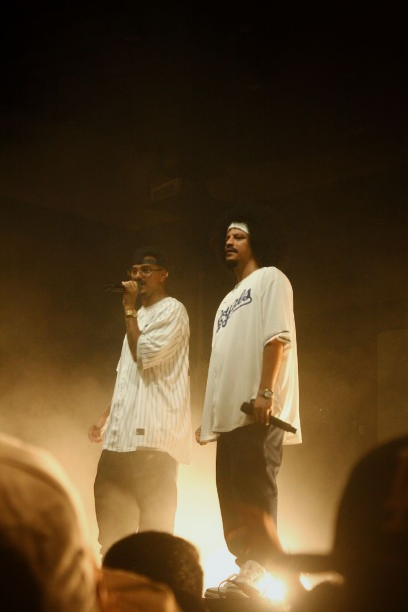
Colombian hip-hop’s heart beats loudest in its freestyle and battle arenas — where MCs transform raw emotion, wit, and rhythm into lyrical warfare. From Bogotá’s bustling streets to Medellín’s underground stages, freestyle has grown beyond a pastime; it’s a cultural pulse uniting youth through wordplay, respect, and rebellion.
The Streets That Started It All
Freestyle culture in Colombia began in the ’90s when hip-hop cyphers spread across parks and plazas. Places like Parque Nacional and San Victorino became open-air classrooms, where rappers battled not for fame but for credibilidad. These early gatherings laid the groundwork for organized leagues that now shape Colombia’s lyrical identity.
Leagues & Battles That Built Legends
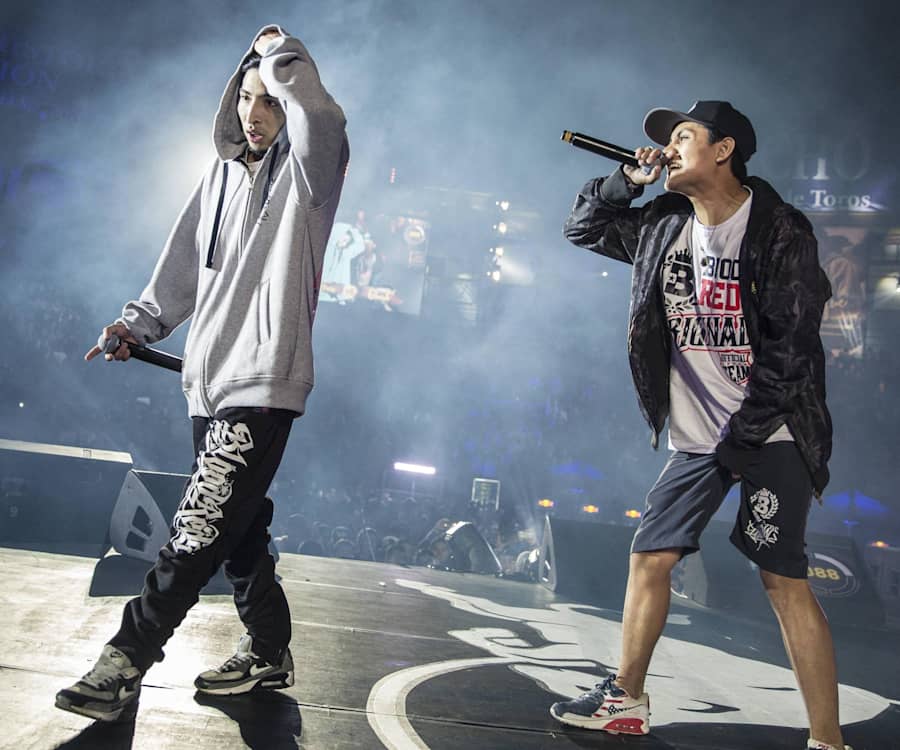
Competitions like Red Bull Batalla de los Gallos Colombia, Colombia Freestyle League (CFL), and Full Rap Bogotá have turned MC battles into national spectacles. Artists such as Valles-T, Carpediem, and Big Killa became local icons — not only for their punchlines but for representing barrios often overlooked by mainstream culture.
Global Recognition
Colombian MCs are now making international noise. When Valles-T won the Red Bull Batalla Internacional 2018, it wasn’t just a victory for him — it was a milestone for Latin America’s freestyle scene. Colombia proved it could hang with global heavyweights from Spain, Mexico, and Argentina.
Freestyle as Expression & Protest
Beyond competition, freestyle serves as social commentary. MCs use the mic to expose inequality, racism, and political unrest. In cities like Cali and Cartagena, open battles often echo protests — voices demanding change, masked in rhythm.
The Community Vibe
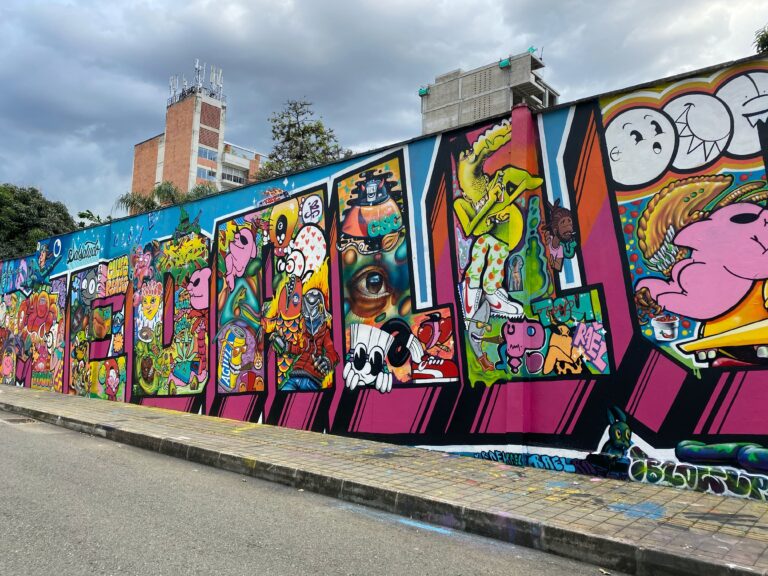
Freestyle events are about brotherhood (and sisterhood). Local crews support one another with beats, dance, and graffiti, turning battles into celebrations of resilience and creativity. Many youth centers and NGOs now host freestyle workshops to teach self-expression and confidence through rap.
The Future: Digital Battles & Virtual Cyphers
Social media has expanded Colombia’s freestyle scene. Platforms like YouTube and Twitch feature virtual battles, allowing MCs from smaller towns to reach larger audiences. Technology is helping freestyle evolve — yet the spirit remains rooted in la calle.
About the Author