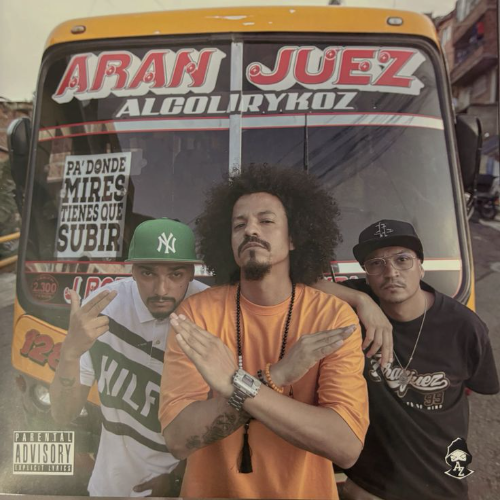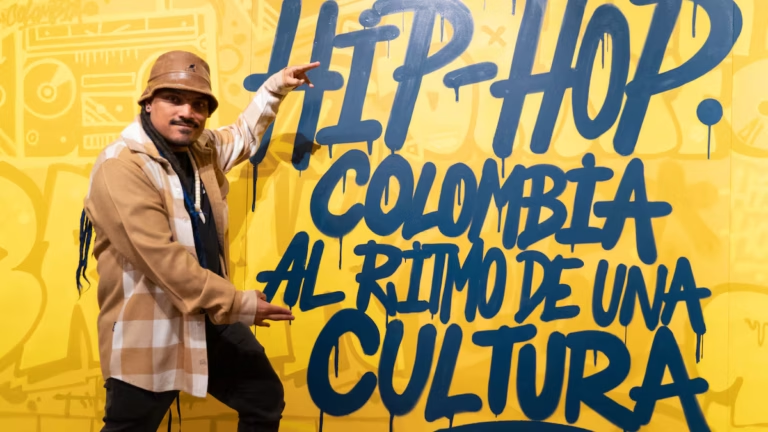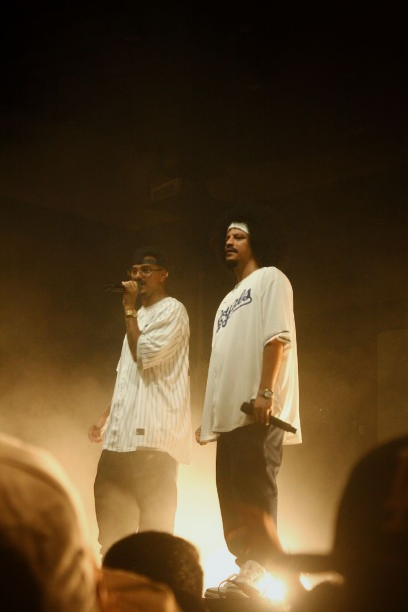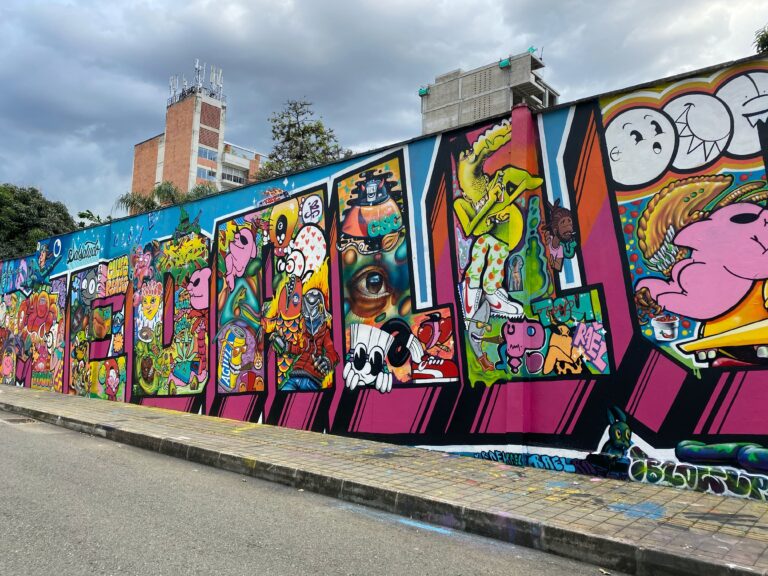
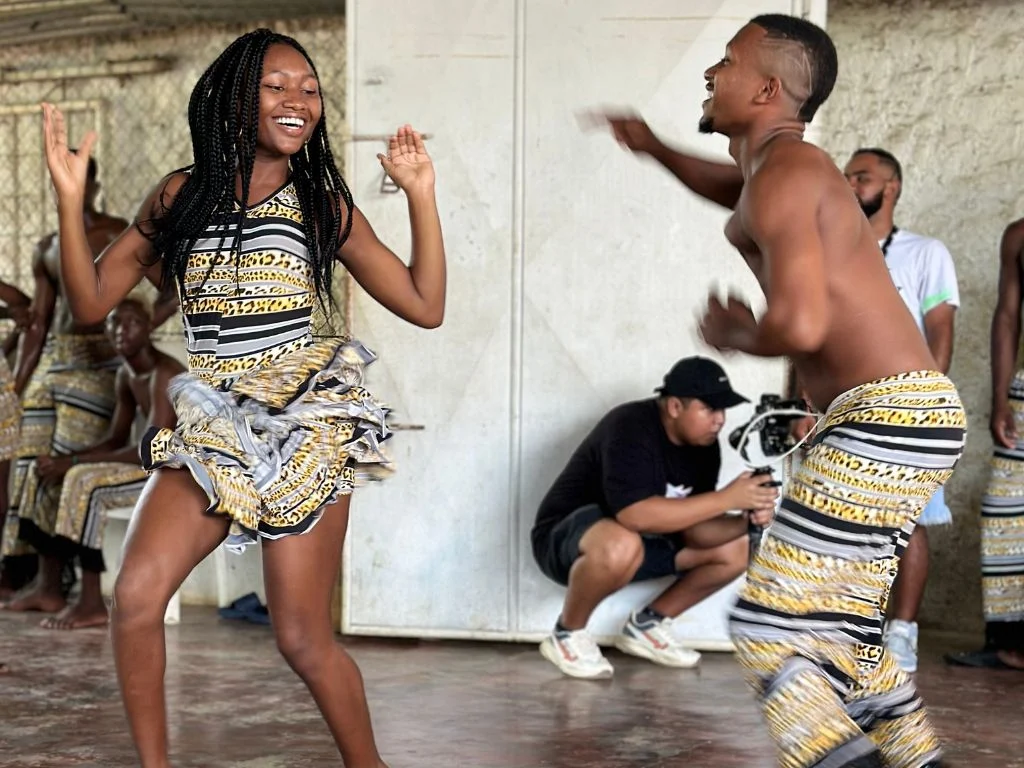
Hip-hop in Colombia isn’t just a sound it’s a full-blown lifestyle. From the way people dress to how they move, speak, and even think, hip-hop has become a cultural language that expresses identity, resilience, and pride. In Bogotá, Medellín, and Cali, hip-hop’s influence is stitched into the seams of streetwear, pulsing through dance battles, and gliding across skate parks. It’s more than music it’s how a generation tells the world who they are.
Streetwear: Identity on the Streets
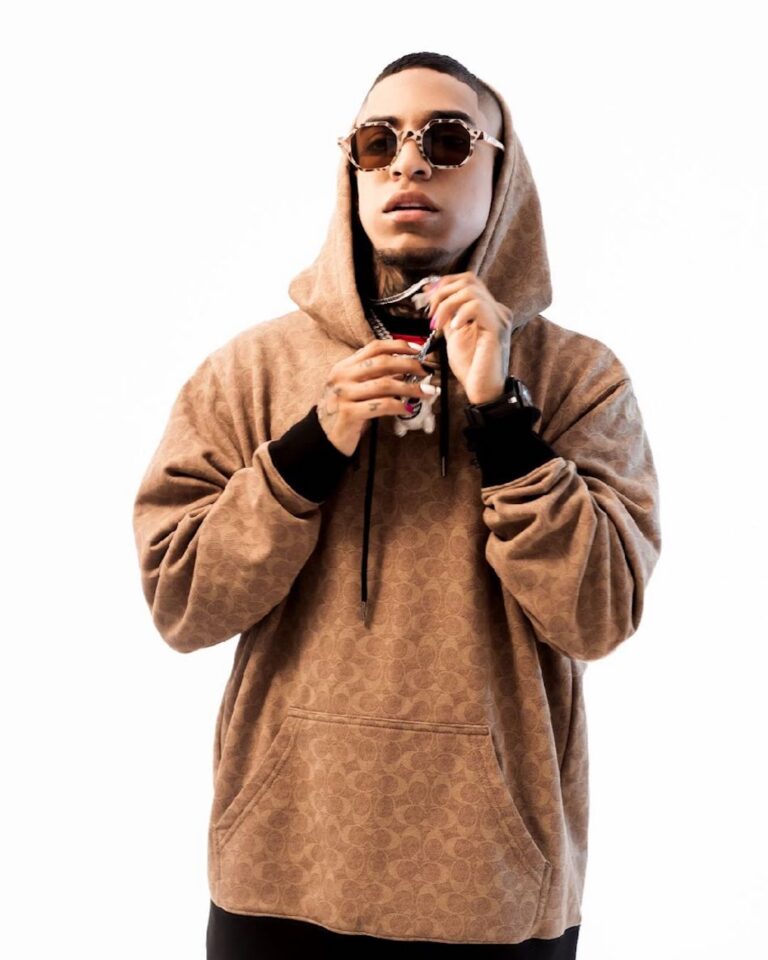
In Colombia, streetwear isn’t just fashion it’s storytelling. Brands born from local barrios fuse global hip-hop aesthetics with regional flavor. Think bold graffiti prints, oversized hoodies, bucket hats, sneakers, and a splash of color inspired by Colombian culture.
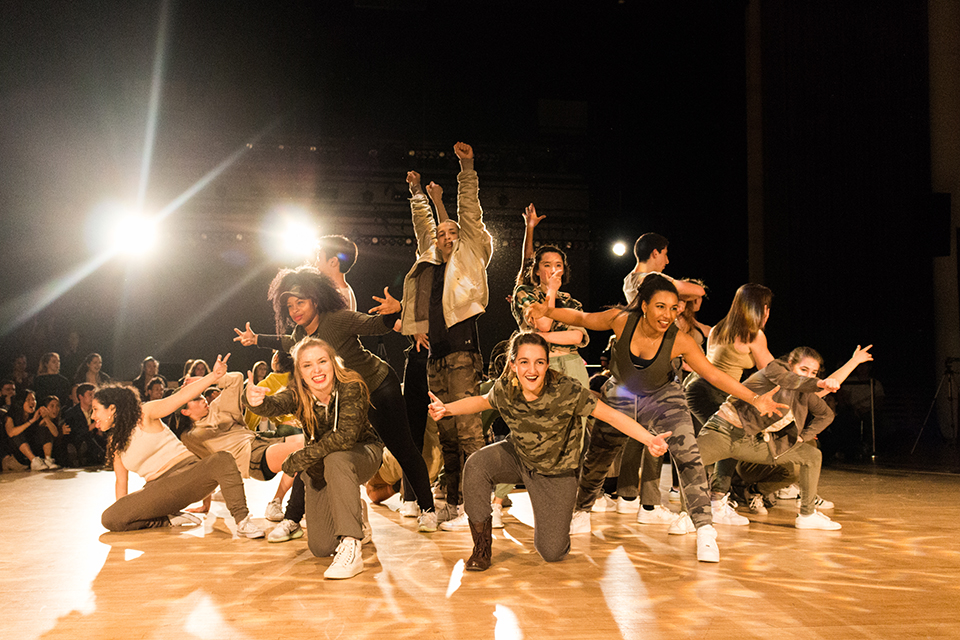
Bogotá’s youth have taken cues from U.S. hip-hop icons but flipped them with a local twist. Streetwear brands like Herencia Crew, Rebel Street, and Zeta Apparel are shaping the Colombian hip-hop look raw, rebellious, and unmistakably urban. These clothes reflect more than trend; they represent self-expression in a country where fashion often doubles as a form of social statement.
For many young Colombians, the outfit isn’t just about looking fresh it’s armor. It’s how they represent their barrio, their hustle, their crew. Every sneaker scuff and graffiti logo tells a story.
Dance: From Breakdancing to B-boy Legends
Breakdancing or breaking has long been a pillar of hip-hop culture in Colombia. Cities like Medellín and Bogotá are known for their thriving B-boy and B-girl scenes, where dancers transform street corners into stages.
Crews like Skill Masters Crew, Style Crew, and Comando Urbano have gained international recognition, representing Colombia at global competitions like Battle of the Year and Red Bull BC One. Their routines blend acrobatics, Afro-Colombian rhythm, and street innovation, making Colombian breaking one of the most exciting and diverse in Latin America.
Breaking also acts as a social bridge. In neighborhoods hit by violence or poverty, dance crews have created safe spaces where young people can build confidence, discipline, and teamwork.
Skate Culture Meets Hip-Hop
In Bogotá’s skateparks like Parque Tercer Milenio and La Castellana skaters roll to boom-bap beats, dressed in baggy jeans, bucket hats, and street gear. Skate culture and hip-hop share the same spirit: rebellion, freedom, and creativity.
Skate brands like Patinetas Tropicales and Caribe Skateshop collaborate with hip-hop artists to host events that merge music, fashion, and urban art. These collaborations blur the lines between sports and art, creating a unique Colombian identity rooted in movement and rhythm.
Graffiti as Fashion’s Canvas
Colombian graffiti has become a powerful style influence. The vibrant murals of Bogotá’s Distrito Graffiti have inspired everything from t-shirt designs to sneaker art. Artists like DJ Lu, Toxicómano Callejero, and Guache are more than painters they’re style architects. Their visual language translates directly into the fabrics and accessories worn by Colombia’s youth.
Even global brands have taken notice. Collaborations between street artists and fashion designers are bringing Colombian graffiti to international runways, bridging art and apparel in bold new ways.
Women Leading the Style Revolution
Colombian women in hip-hop are rewriting the rules of fashion. Artists like Lianna, Mabiland, and Dani Boom blend streetwear with femininity and Afro-Colombian pride. Their looks mix hoop earrings, bomber jackets, braids, and sneakers unapologetically bold, blending softness with strength.
These women are not just icons; they’re cultural leaders redefining what power and beauty look like in Colombia’s hip-hop movement.
Hip-Hop Lifestyle: Beyond the Wardrobe
The Colombian hip-hop lifestyle extends into attitude and mindset. It’s about community, creativity, and resistance. It’s how young people navigate identity in a fast-changing world balancing global influences with deep local roots.
In Bogotá’s neighborhoods, you’ll find barbershops that double as freestyle hubs, sneaker stores that host graffiti shows, and cafés where DJs spin vinyl between rap discussions. Hip-hop has shaped not just how people look, but how they live, connect, and build.
The Global Meets the Local
Colombian hip-hop fashion stands out because it refuses to imitate. It blends taking cues from New York’s Bronx and L.A.’s Compton but grounding them in the colors, rhythms, and textures of Latin America. Whether it’s a hand-painted denim jacket or a locally made snapback, the result is a style that’s proudly hybrid and deeply Colombian.
About the Author