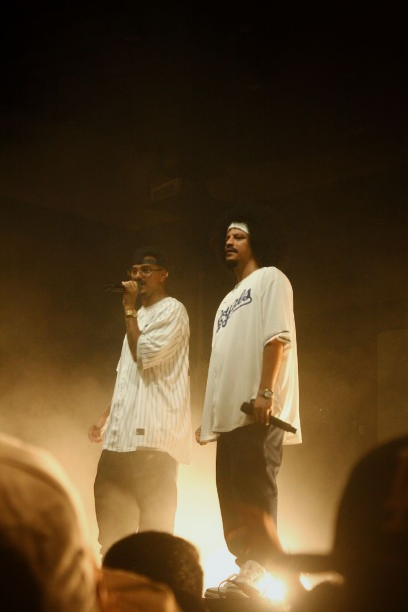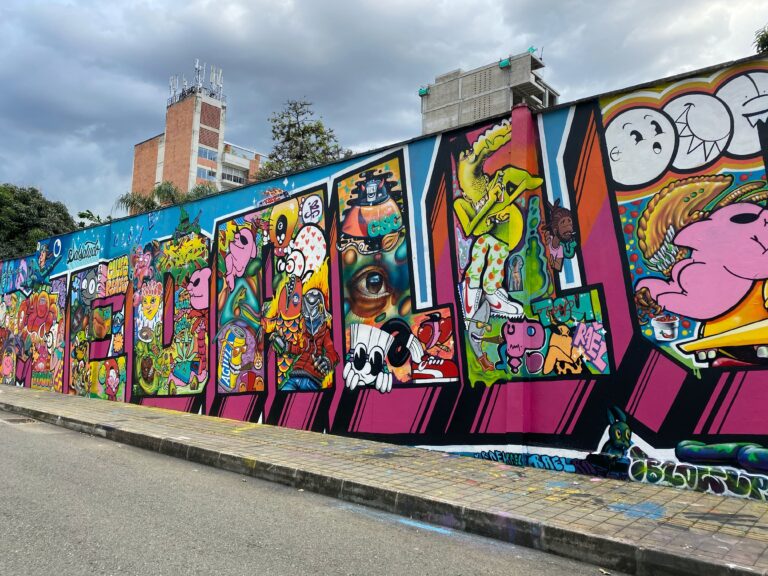
hip-hop scene in Colombia is no longer just an underground pulse—it’s evolving into a full-blown cultural force. From the graffiti-tagged walls of Comuna 13 in Medellín to the freestyle cyphers in Bogotá, urban rap is becoming a platform for identity, resistance and creative fusion.
Roots and Rise
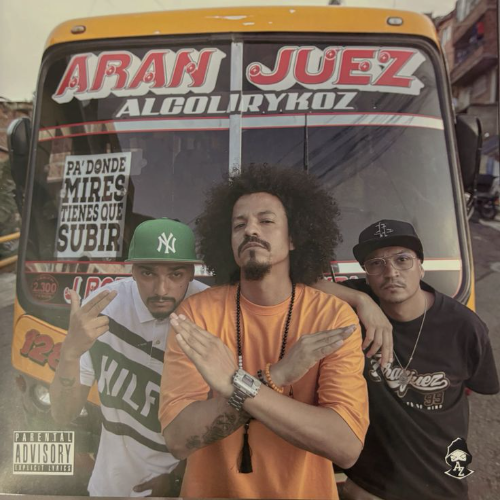
Historically, Colombian rap has taken cues from old-school boom-bap, with a strong lyrical emphasis and local stories at its core. Colombian artists are sticking to high standards of wordplay and craft even as the genre expands. Today, the landscape has broadened – Afro-Colombian voices from the Pacific coast, youth in barrios across Bogota and Medellin, and female MCs asserting space – all contributing to a rich, layered tapestry.
Key Moments & Platforms
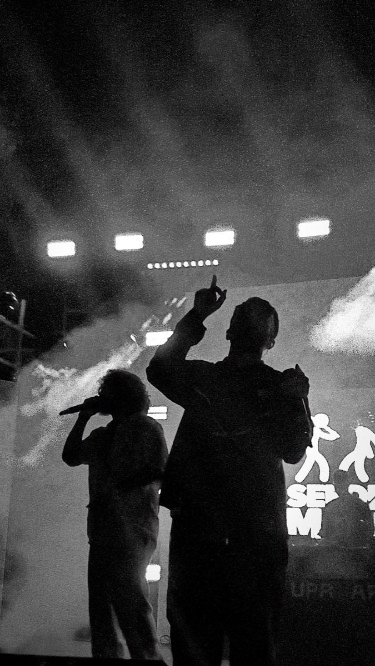
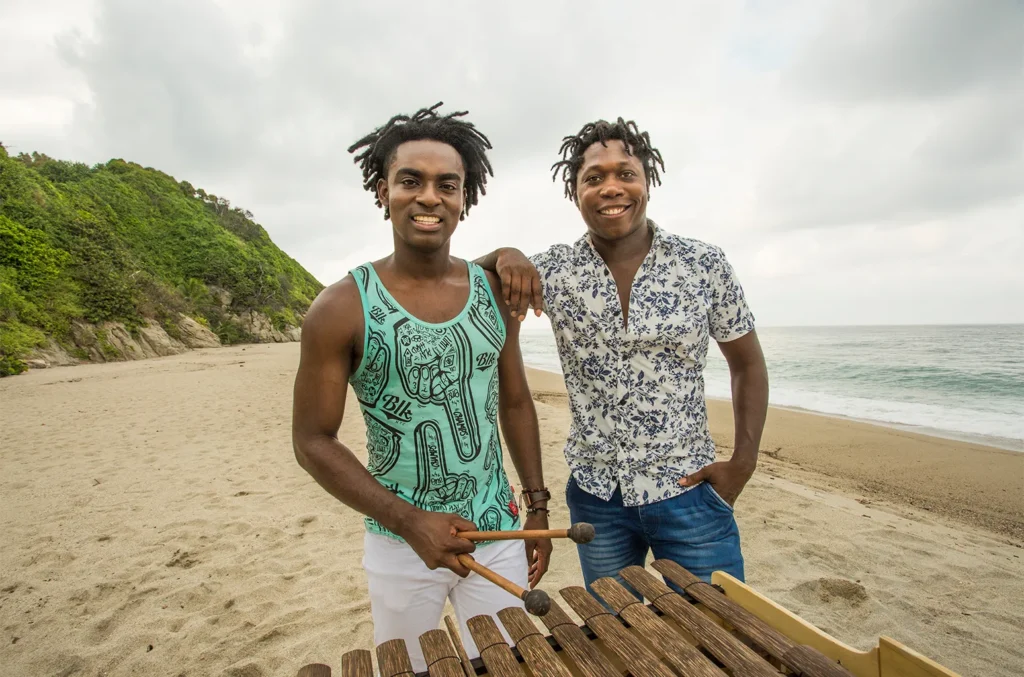
In Bogotá, the Premios Cultura Bogotá Hip Hop 2025 recognized 20 key figures in MCing, DJing, graffiti, break dance and freestyle, showing how institutions now acknowledge hip-hop’s cultural weight. The major festival Hip Hop al Parque 2025 returned with the theme “Bogotá, un territorio de paz, generación tras generación”, bringing together both local and international acts across MC, DJ and break categories. Along the coast and in cities like Buenaventura and Cartagena, young Afro-Colombian rappers are merging hip-hop with Caribbean, Afro-beat and amapiano sounds—blurring genre lines and expanding hip-hop’s reach.
Sound & Social Impact
Colombian hip-hop isn’t just partying-music—it’s storytelling. Themes of community, memory, race, identity, struggle and hope run deep. In Comuna 13, hip-hop has been used as a tool for youth empowerment, creative expression and community rebuilding. Female voices are gaining visibility, recognizing the need to shift narratives and address spaces traditionally dominated by men. Institutional recognition is helping them gain platforms and credibility in a once-male-dominated space.
Why It Matters Now
For creators and fans, Colombia’s hip-hop scene offers fresh angles:
- Cultural fusion: The blending of Afro-Colombian rhythms, hip-hop lyricism and global production trends.
- Urban tech & digital spread: Streaming, social media, freestyle battles, graffiti crews and youth culture all interconnect, driving hip-hop’s online reach.
- Global visibility: International acts like Cypress Hill are returning to Colombia alongside national artists, signaling the country’s growing presence on the global stage.
What to Watch
- The rise of underground crews and independent labels beyond Bogotá and Medellín.
- Hip-hop festivals and battles integrating graffiti, break-dance and visual arts.
- Young Afro-Colombian artists leveraging heritage and identity through their lyrics.
- Female MCs and DJs reshaping narratives and representation.
- International collaborations and tours boosting Colombia’s influence in global hip-hop.
Final Word
Colombia’s hip-hop scene is no longer an underground whisper—it’s a major voice in global urban culture. It unites authenticity, social consciousness, and world-class artistry. The movement is loud, proud, and unstoppable, proving that hip-hop in Colombia is not just surviving — it’s thriving.
About the Author