Colombia’s hip-hop scene is not just thriving in the studio—it’s coming alive on stage. Over the past few days, from late March 2026, the culture has been driven by a wave of live performances, underground showcases, and street-level events that are redefining how rap is experienced across the country.
From packed venues in Medellín to raw freestyle gatherings in Bogotá, these shows are proving one thing clearly: Colombian hip-hop is built for live energy.
Medellín Live Shows: Trap and Performance Energy
Medellín continues to dominate as a performance hub, especially for trap and melodic rap artists.
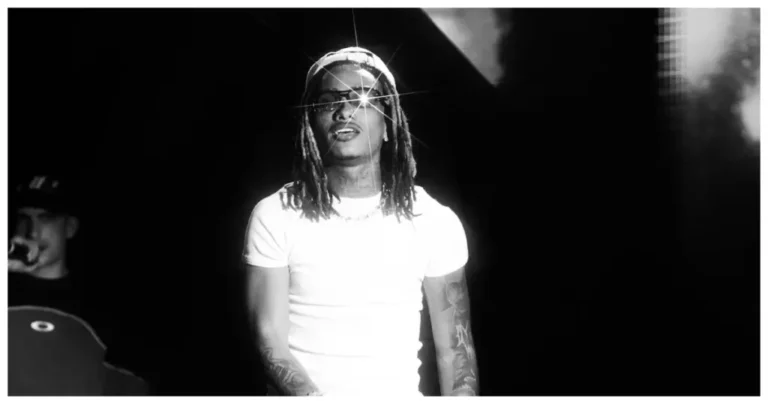
Artists like Kris R have been active in live circuits, performing tracks from his recent project El Trap de Kolombia. Songs like La Calle Me Llama and Modo Diablo have translated well into live settings, with crowds responding strongly to the heavy bass and chant-style hooks.
These shows are typically held in:
- Mid-size urban venues
- Club-style environments
- Youth-driven spaces with high energy
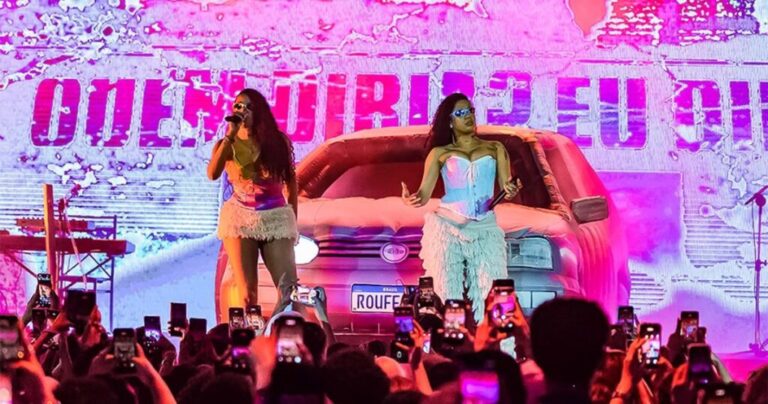
The Medellín crowd plays a huge role in shaping performances. Unlike more passive audiences, fans here are highly interactive—rapping along, recording moments, and pushing artists to elevate their stage presence.
This has made the city one of the most important testing grounds for artists looking to build a strong live reputation.
Bogotá Underground Shows and Cyphers
While Medellín leads in polished performances, Bogotá remains the heart of underground hip-hop shows.
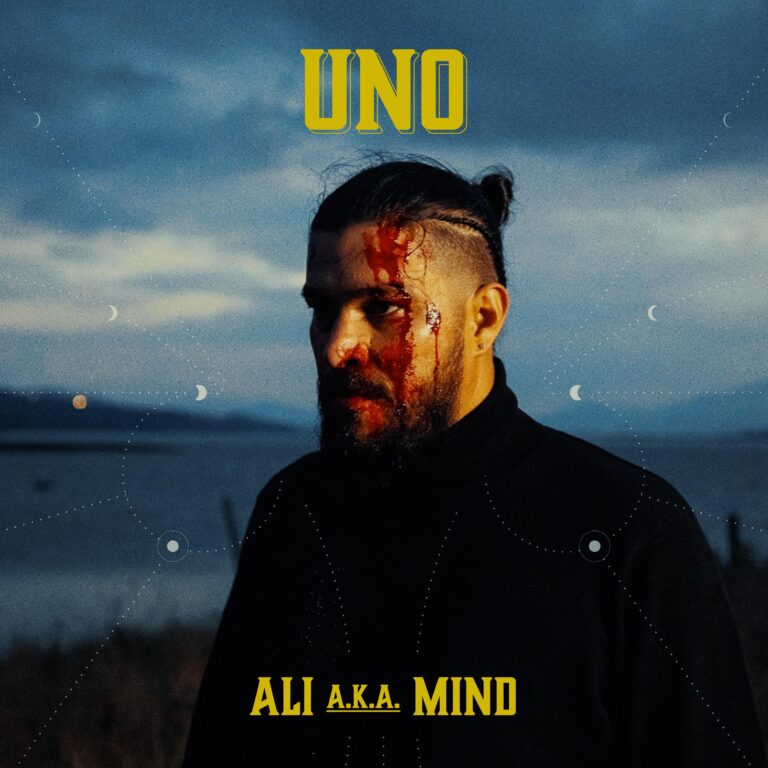
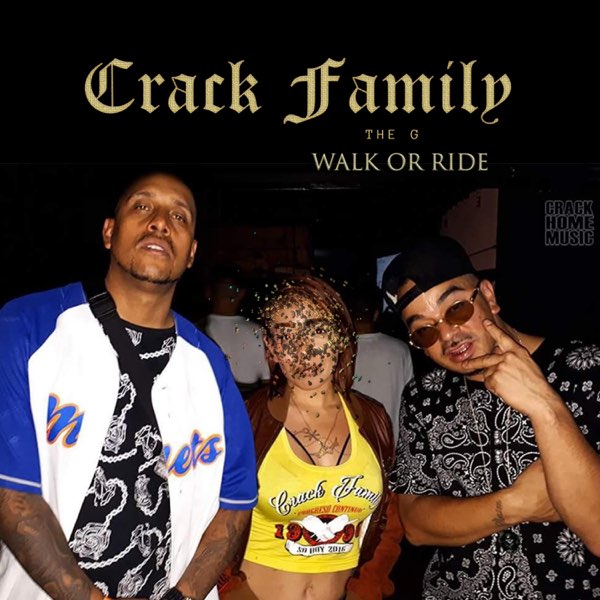
Collectives like Crack Family have been heavily involved in:
- Street cyphers
- Open mic sessions
- Independent rap showcases
These events often take place in:
- Public spaces
- Small cultural venues
- Community-driven locations
Unlike traditional concerts, these shows are less structured and more spontaneous. Artists rotate in and out, performing freestyles and unreleased tracks, creating an environment that feels raw and authentic.
The energy here is different. It’s not about production value—it’s about:
- Bars
- Presence
- Respect from peers
These underground shows continue to shape the next generation of Colombian rappers.
Alcolirykoz Live Sessions and Cultural Performances
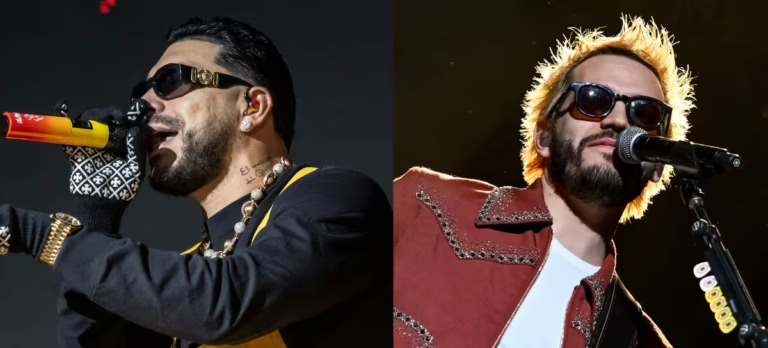
Alcolirykoz have maintained their strong presence through live sessions and cultural performances.
Rather than focusing on commercial concerts, the group often performs in:
- Cultural centers
- Music festivals
- Intimate live session recordings
Tracks like Tararea take on a different life in these settings, where the focus is on lyricism and musicality rather than crowd hype alone.
Their performances are known for:
- Tight delivery
- Live instrumentation elements
- Strong audience connection
These shows attract a different type of fan—listeners who appreciate depth, storytelling, and technical skill.
Nanpa Básico and the Emotional Performance Style
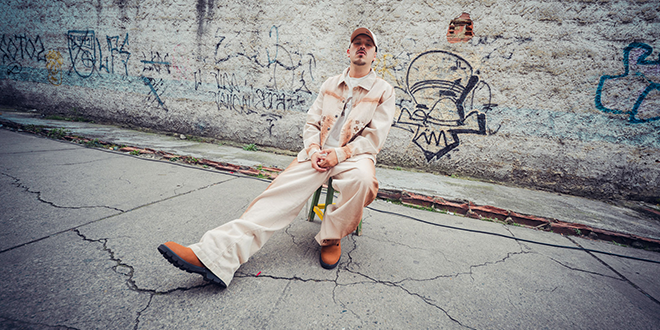
Nanpa Básico continues to draw crowds with a more melodic and emotional performance style.
His live sets often include songs like Canela, which resonate strongly in concert environments due to their relatable themes and sing-along quality.
Unlike high-energy trap shows, Nanpa’s performances focus on:
- Connection with the audience
- Emotional delivery
- Slower, more reflective moments
This creates a balanced experience, showing that Colombian hip-hop concerts are not limited to one type of energy—they can be both intense and introspective.
Pop-Up Shows and Street-Level Events
One of the biggest trends in late March has been the rise of pop-up performances and informal shows.
These include:
- Artists performing in unexpected locations
- Short, unannounced live sets
- Collaborations between multiple underground acts
These events are often promoted last-minute through social media, making them feel exclusive and organic.
For fans, this creates a deeper connection to the culture. Instead of attending large, commercial concerts, they experience hip-hop in its rawest form—up close and personal.
The Role of Freestyle Battles in Live Culture
Freestyle battles remain a key part of Colombia’s hip-hop event scene.
In cities like Bogotá and Cali, recent days have seen:
- Competitive rap battles
- Organized freestyle leagues
- Street competitions with growing audiences
These events are more than just entertainment—they are platforms where new talent emerges.
Winning or performing well in these battles can:
- Build reputation
- Attract online attention
- Open doors to recording opportunities
This keeps the culture competitive and constantly evolving.
Audience and Fan Engagement at Shows
One of the defining characteristics of Colombian hip-hop shows right now is the level of fan engagement.
Audiences are:
- Highly interactive
- Deeply connected to lyrics
- Active on social media during performances
Fans don’t just watch—they participate. They record, share, and amplify performances in real time, turning live shows into digital moments that extend beyond the venue.
This has made concerts a key part of music promotion, not just entertainment.
A Growing Live Ecosystem
What stands out about the current wave of shows is how diverse the live ecosystem has become.
There is no single type of event dominating the scene. Instead, there is a mix of:
- Club performances
- Cultural showcases
- Underground cyphers
- Freestyle battles
- Pop-up shows
This diversity allows different styles of hip-hop to coexist:
- Trap artists dominate high-energy venues
- Conscious rappers thrive in intimate settings
- Underground MCs build credibility in cyphers
Together, they create a complete and balanced culture.
Conclusion
The recent run of hip-hop shows in Colombia highlights a scene that is alive, dynamic, and deeply connected to its roots.
Kris R is bringing trap energy to live audiences with tracks from El Trap de Kolombia.
Nanpa Básico continues to connect emotionally with fans through melodic performances like Canela.
Alcolirykoz maintain lyrical excellence through cultural and live session performances.
Crack Family keep the underground alive through cyphers and raw showcases.
Together, these performances show that Colombian hip-hop is not just about recorded music. It is a living, breathing culture that thrives in real-time, on stage, and in the streets.
As the scene continues to grow, live shows will remain one of the most important spaces where artists prove themselves and fans experience the true essence of hip-hop.
About the Author