By Eli Jesse
The energy in Bogotá reached another level as thousands of hip-hop fans gathered for the latest edition of Hip Hop al Parque, one of the largest free rap festivals in the world. Known for celebrating the essence of hip-hop culture, this year’s event delivered a powerful mix of lyricism, activism, and community unity that continues to define the city’s growing influence in global rap.
Held over multiple days, the festival transformed the city into a cultural hub, where music, street art, and dance collided in a vibrant display of creativity. From early afternoon sets to late evening headliners, every moment felt intentional, reflecting the depth and diversity of Bogotá’s hip-hop scene.
A Crowd That Brought the Energy
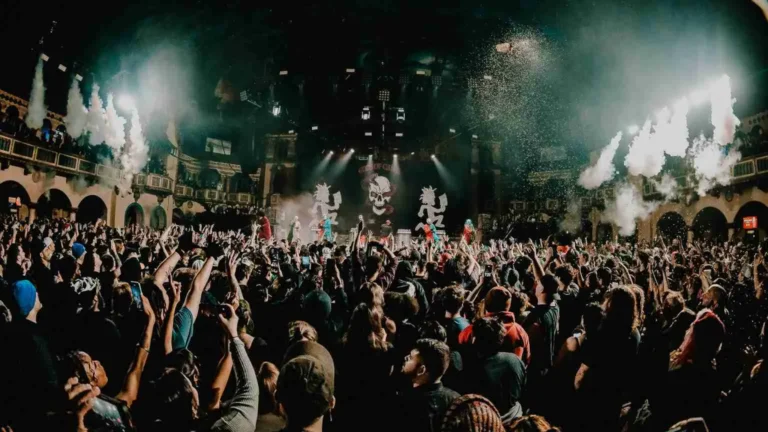
From the opening performances, it was clear that the crowd came ready. Fans packed the venue, rapping along word for word and reacting to every punchline, beat drop, and freestyle moment. The atmosphere wasn’t just about entertainment—it was about connection.
Unlike many commercial festivals, Hip Hop al Parque keeps its roots in accessibility. Free entry allows fans from all backgrounds to participate, creating a space where hip-hop belongs to everyone, not just those who can afford tickets.
Standout Performances That Defined the Festival
Several artists left a lasting impression on the crowd, delivering sets that balanced raw emotion with technical skill.
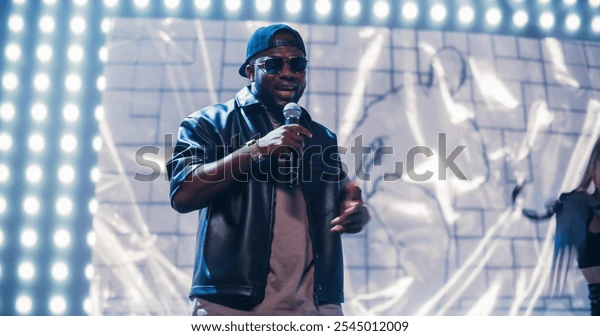
Ali A.K.A Mind took the stage with a commanding presence, delivering socially conscious bars that resonated deeply with the audience. His performance highlighted why he remains one of the most respected voices in Colombian rap.
N. Hardem followed with a set that blended jazz-infused beats and sharp lyricism, creating a more introspective moment in the festival. His ability to merge musicality with storytelling added a unique dynamic to the lineup.
Meanwhile, Crack Family brought pure underground energy, turning their performance into a high-intensity experience that had the crowd fully engaged from start to finish.
More Than Music: A Cultural Movement
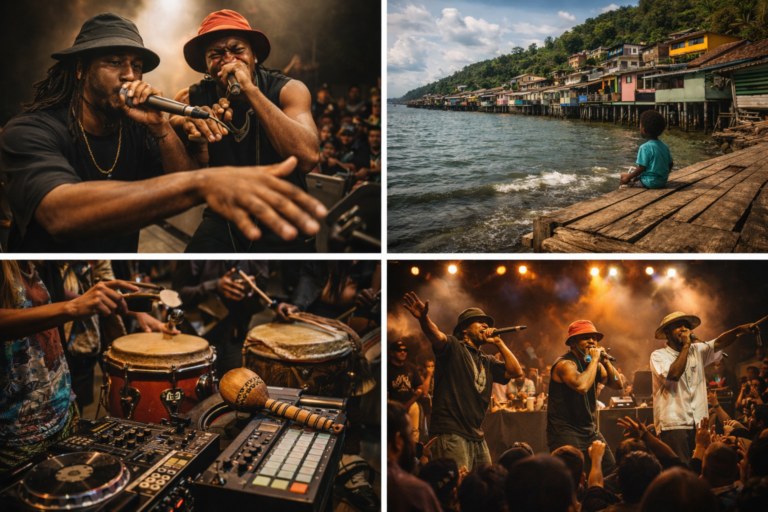
What sets Hip Hop al Parque apart is its commitment to the full spectrum of hip-hop culture. Beyond the main stage, the festival featured graffiti exhibitions, breakdance battles, and DJ showcases, all contributing to a multidimensional experience.
Artists painted live murals, turning blank walls into statements of identity and resistance. Dancers competed in high-energy battles, drawing crowds that formed circles around the action. DJs kept the momentum alive between sets, proving that every element of hip-hop has a place in Bogotá’s scene.
A Platform for the Next Generation
One of the most important aspects of the festival is its role in elevating emerging talent. Up-and-coming artists were given the opportunity to perform in front of massive audiences, gaining exposure that could shape their careers.
These performances often carried the same intensity as those of established acts, showing that Bogotá’s future in hip-hop is in strong hands. The hunger and authenticity of new artists added another layer of excitement to the event.
Global Influence Meets Local Identity
While the festival remains deeply rooted in Colombian culture, it also embraces international influence. Collaborations and guest appearances from artists across Latin America brought a global perspective, highlighting the interconnected nature of modern hip-hop.
Despite these influences, Bogotá artists continue to prioritize their own narratives. Their music reflects local realities, ensuring that even as the scene grows, it stays grounded in its origins.
The Impact Beyond the Stage
Hip Hop al Parque is more than a festival—it’s a statement. It reinforces the importance of art as a tool for expression and change, especially in communities where voices are often overlooked.
The event also strengthens Bogotá’s position as a major player in the global hip-hop landscape. As more eyes turn toward Latin America, festivals like this are proving that the region has its own stories to tell—and they’re worth listening to.
About the Author