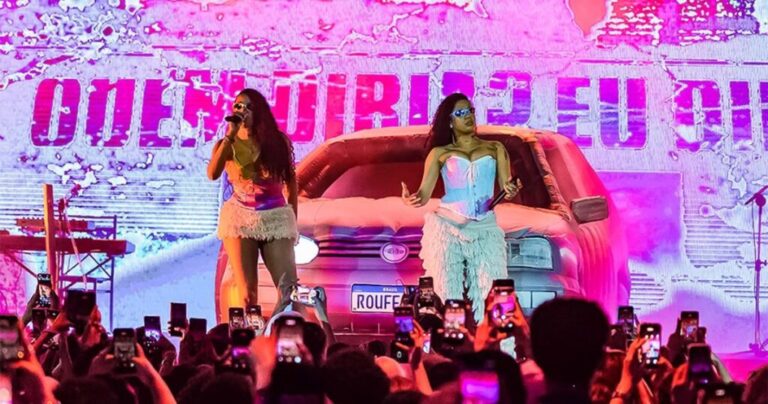
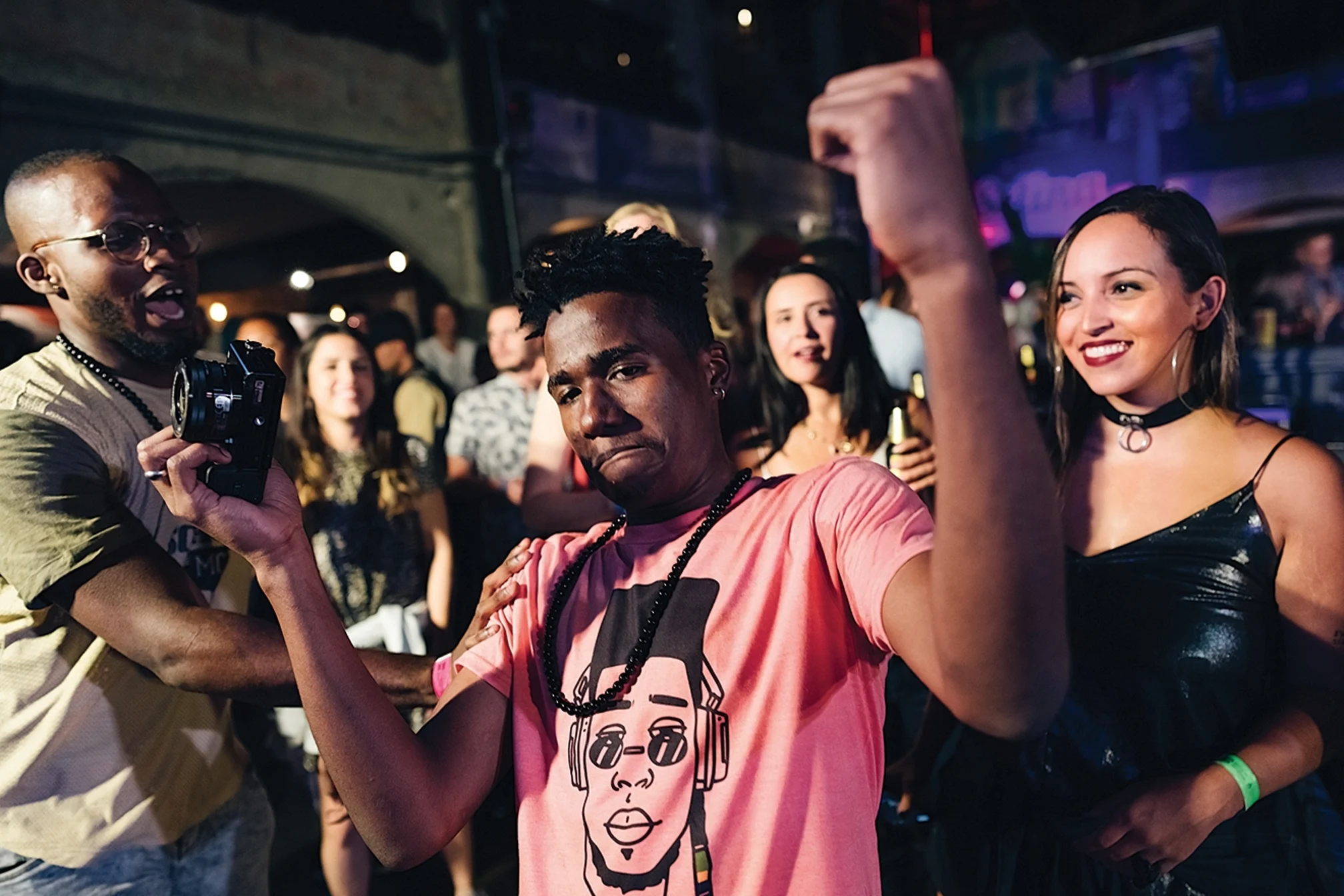
The first week of the year in Colombia’s hip-hop scene was not dominated by massive arena concerts, but by something equally important—intimate shows, underground performances, and community-driven events. Across Bogotá and Medellín, artists focused on connecting directly with their audiences, building energy from the ground up.
This is how the Colombian scene starts its year: close, raw, and authentic.
Underground Shows Drive the Culture
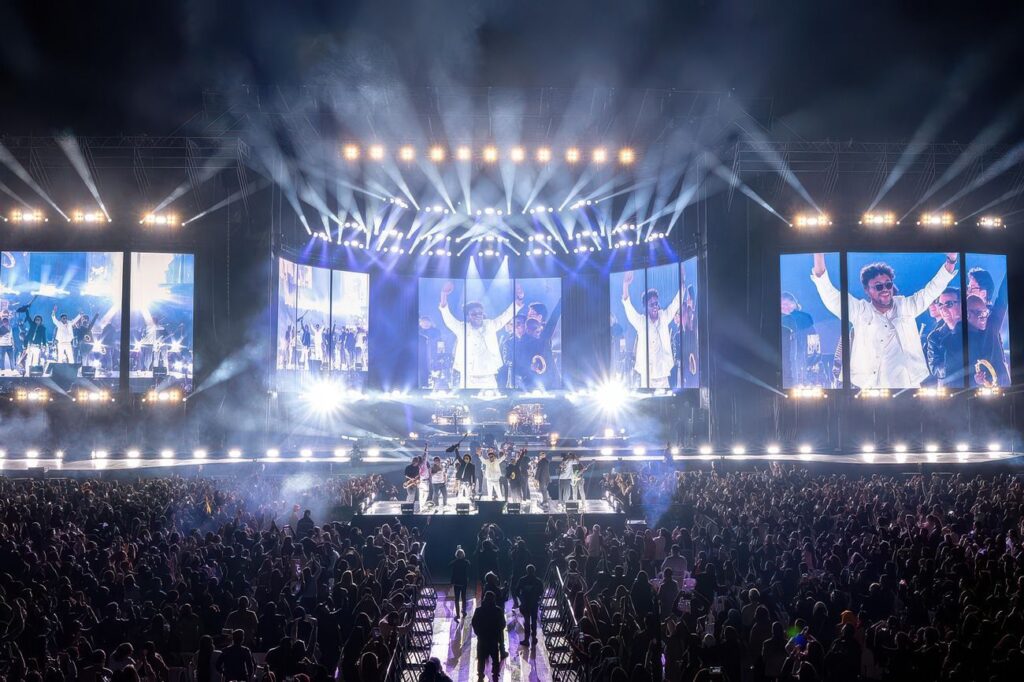
In Bogotá, small venues and local stages hosted a series of hip-hop nights featuring both emerging and mid-level artists. These shows often took place in:
- Independent cultural centers
- Small clubs
- Open mic spaces
Instead of polished, large-scale production, the focus was on live bars and crowd interaction. Artists performed new singles, unreleased tracks, and freestyle segments, testing their sound in front of real audiences.
The energy in these spaces is different. There is no distance between artist and fan—just music and reaction.
Medellín’s Alternative Performance Wave
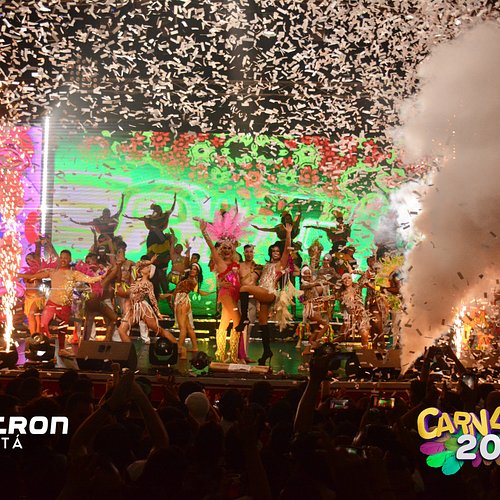
Meanwhile, Medellín leaned into its experimental identity.
Shows in the city blended hip-hop with:
- Live bands
- Jazz instrumentation
- Soul and lo-fi elements
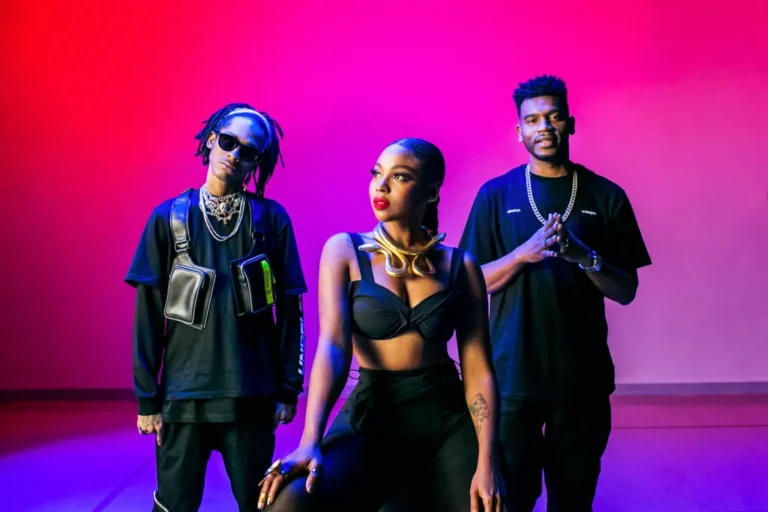
Artists associated with the new wave, including those inspired by sounds similar to Crudo Means Raw, brought a more atmospheric experience to their performances. These were not just concerts—they felt like curated sessions, where vibe and sound design mattered as much as lyrics.
This reflects Medellín’s role in shaping the future sound of Colombian hip-hop.
Artist Appearances and Live Sets
Groups like Alcolirykoz continued to influence the live scene, even when not headlining major events. Their presence is felt in how younger artists structure their performances—emphasizing lyricism, timing, and crowd control.
At the same time, artists in the lane of Nanpa Básico inspired more melodic live sets, where emotion plays a central role. These performances often see audiences singing along, creating a shared experience that goes beyond traditional rap shows.
Open Mics and Community Events
One of the most important aspects of Week 1 was the rise in open mic sessions and community-driven events.
These events allowed:
- New artists to perform for the first time
- Freestylers to sharpen their skills
- Producers and DJs to test new sounds
In both Bogotá and Medellín, open mics are not just practice spaces—they are entry points into the culture. Many of today’s rising artists first gained attention in these exact environments.
Cyphers Blurring Into Live Shows
In Colombia, the line between a concert and a cypher is often blurred.
Platforms like Rap Bang Club continue to influence live performances, with many shows incorporating cypher-style segments. Artists step on stage together, rotating verses, feeding off each other’s energy.
This creates a dynamic experience where:
- Performances feel spontaneous
- Crowds stay engaged throughout
- Artists showcase raw skill, not just rehearsed tracks
Freestyle Battles as Live Events
Freestyle competitions linked to platforms like Red Bull Batalla also contributed to the live scene in Week 1.
These events brought:
- Competitive energy
- Loud crowd reactions
- High-pressure lyrical moments
Unlike traditional concerts, battle events rely heavily on audience participation. Every punchline, every comeback, every rebuttal is judged in real time.
The Atmosphere: Raw Over Polished
What defines Colombia’s Week 1 shows is not scale—it’s feeling.
There were:
- No massive festival headlines
- No global superstar tours
- No overproduced stage setups
Instead, the focus was on:
- Real venues
- Real crowds
- Real music
This grounded approach keeps the culture authentic and ensures that hip-hop remains connected to its roots.
A Grassroots Start to the Year
Colombia’s hip-hop scene did not try to start the year with spectacle. It started with foundation.
Artists performed in small rooms, built connections, tested new material, and sharpened their stage presence. Fans showed up not for hype, but for the love of the culture.
And that is what makes the difference.
Because when the bigger shows and festivals eventually arrive, they will be built on something solid—a community that has already been active from day one.
About the Author