January in Colombia doesn’t come with a massive hip-hop festival, but the culture never slows down. From live concerts to underground club nights and street cyphers, the new year started with raw energy, lyrical heat, and deep street influence across the country. While many people were still in holiday mode, Colombia’s hip-hop community was already back in motion, keeping the culture alive in cities like Manizales, Bogotá, Medellín, and Cali.
Hip-hop in Colombia has always been more than just music. It’s a voice for the streets, a way to express struggle, hope, and identity. Early January showed that even without major festival stages, the movement continues through concerts, club nights, and community-driven events.
Nanpa Básico Lights Up Manizales
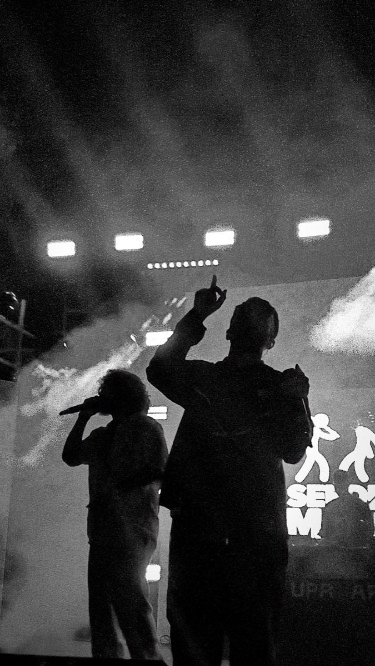
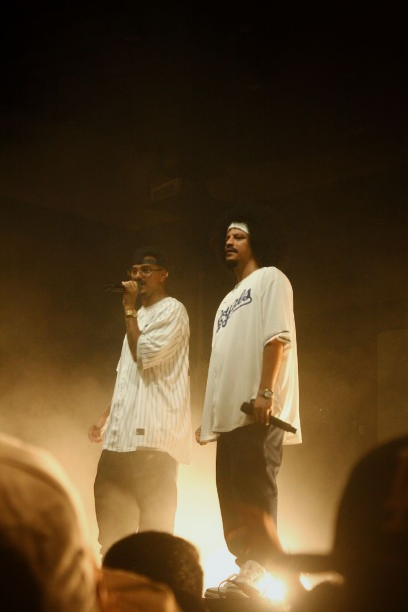
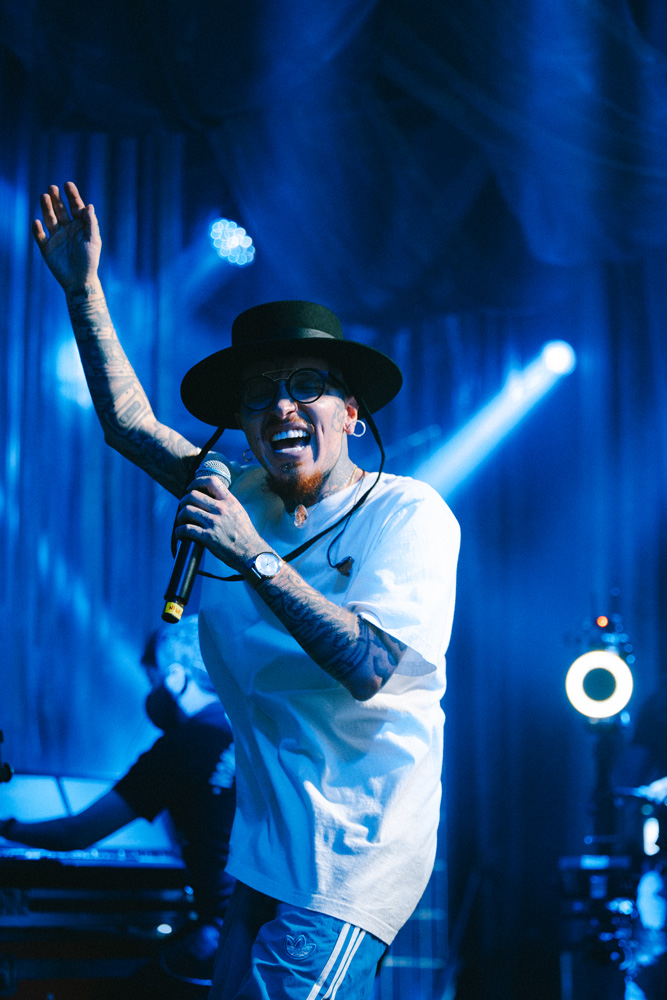
One of the biggest hip-hop moments in early January came from Nanpa Básico, who performed live in Manizales. Known for blending emotional storytelling with sharp rap delivery, Nanpa brought fans together with songs that reflect real-life struggles, love, and personal growth.
His music connects deeply with listeners because of its honesty. Tracks about heartbreak, ambition, and self-reflection hit hard, especially for young fans navigating similar life experiences. The Manizales show wasn’t just a concert — it was a reminder of how powerful Colombian rap can be when it speaks from the heart.
The crowd energy showed how loyal Nanpa’s fanbase is. People sang along, recorded moments on their phones, and felt every lyric. For many, this performance set the tone for the rest of the year: emotional, real, and unapologetically Colombian.
Bogotá, Medellín & Cali Keep the Culture Alive
While major festivals were on pause, Colombia’s hip-hop scene stayed active through:
- Rap & Hip-Hop DJ nights
- Afrobeat and Trap fusion parties
- Freestyle cyphers in urban spaces
- Local artist showcases
Cities like Bogotá, Medellín, and Cali hosted underground events where DJs played Latin rap, drill, trap, and international hip-hop classics. These club nights gave fans the perfect way to start the year with street vibes, loud bass, and nonstop energy.
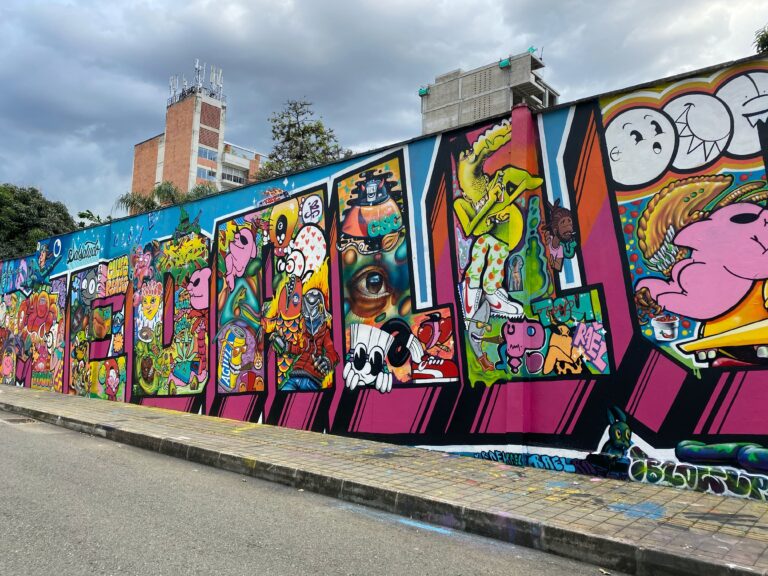
In Bogotá, hip-hop culture remains closely tied to youth expression and street fashion. From graffiti to breakdancing, the city continues to blend music with urban art. Medellín, known for its strong reggaeton influence, still keeps a solid hip-hop presence through trap and rap-focused nights. Cali, with its Afro-Colombian roots, brings a unique flavor to the scene by mixing hip-hop with Afrobeat and Caribbean sounds.
These cities prove that hip-hop in Colombia isn’t limited to one sound. It’s a mix of cultures, rhythms, and stories that reflect the country’s diversity.
Underground Cyphers & Street Energy
January is known for its strong street culture in Colombia. Even without big stages, freestyle sessions and rap meetups popped up in neighborhoods, skate parks, and public spaces.
These cyphers are where new talent sharpens their skills, battles for respect, and builds local recognition. Young rappers step into the circle, spit raw verses, and test their confidence in front of peers. No fancy production, no filters — just bars, rhythm, and presence.
For many artists, these underground spaces are the starting point of their careers. It’s where authenticity is valued more than fame, and where real stories from the streets are shared. Topics often include poverty, police pressure, love, survival, and dreams of a better future.
This is the real foundation of Colombian hip-hop — raw, unfiltered, and powered by the community.
The Sound of the New Year
The early January sound in Colombia reflected a strong mix of:
- Conscious rap
- Latin trap
- Afro-influenced beats
- Emotional storytelling
- Street realism
Artists focused on themes like survival, ambition, love, and self-growth — perfect energy for a fresh start to the year. Many rappers used their music to talk about personal struggles, mental health, and life in the barrios.
Latin trap continues to grow, blending aggressive beats with melodic hooks. At the same time, conscious rap remains strong, especially among artists who want to educate, inspire, and speak on social issues.
This balance between hard street sounds and emotional depth is what makes Colombian hip-hop unique. It doesn’t just entertain — it reflects real life.
Youth, Fashion & Hip-Hop Identity
Hip-hop culture in Colombia also shows strongly through fashion and lifestyle. Oversized hoodies, sneakers, bucket hats, and streetwear brands dominate the look. Graffiti murals and skate culture go hand-in-hand with the music, turning neighborhoods into creative spaces.
For the youth, hip-hop is more than a genre — it’s an identity. It represents freedom of expression, resistance, and confidence. Social media plays a big role too, helping underground artists reach wider audiences and build fanbases without major labels.
Through TikTok, Instagram, and YouTube, Colombian rappers are gaining visibility both locally and internationally.
What’s Next for Colombia Hip-Hop
As the year continues, more festivals, tours, and major shows are expected to return. The underground movement is growing fast, and new artists are pushing Colombian hip-hop forward with unique sounds and powerful stories.
Fans are looking forward to bigger stages, collaborations, and fresh music drops. At the same time, street cyphers and community events will continue to shape the culture from the ground up.
Colombia’s rap scene is evolving, blending global influences with strong local identity. From emotional lyricism to hard-hitting trap beats, the country’s hip-hop culture remains authentic, resilient, and full of energy.
The new year has only just begun, but Colombia’s hip-hop voice is already loud, proud, and impossible to ignore.
About the Author