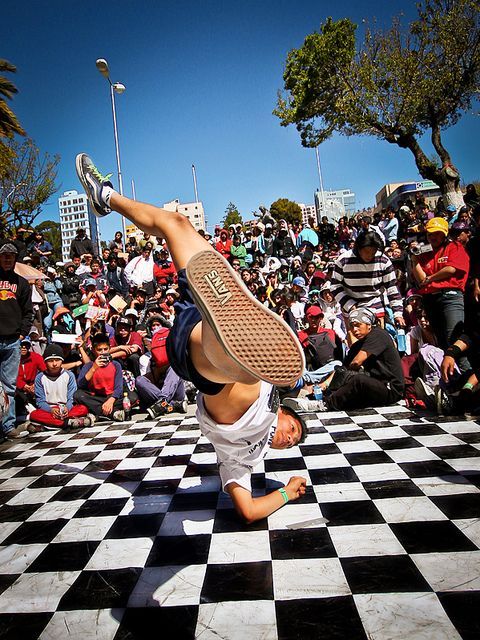
Before rap verses reached studio microphones and before graffiti painted the walls of Colombia’s cities, hip-hop arrived in Cali through movement. The city became one of the first Colombian territories where breakdance wasn’t just a trend it was a lifestyle, a communication system, a survival tool, and eventually a culture.
Cali’s B-boy explosion helped define the earliest expression of Colombian hip-hop. Long before national artists and rap collectives, there were street crews flipping, spinning, and battling in dusty courtyards and concrete plazas. Cali gave hip-hop its first Colombian language: dance.
The Arrival: VHS Tapes, Travelers, and a Curious Generation
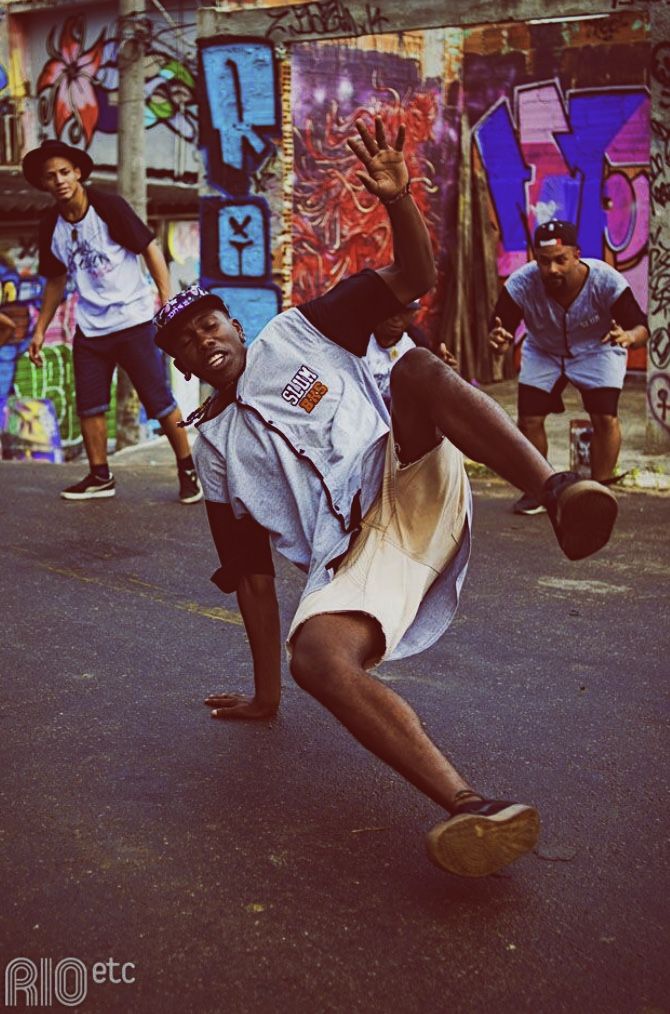
Cali’s breakdance roots begin in the late ’80s and early ’90s, when imported VHS tapes of Beat Street, Breakin’, and early New York b-boy battles arrived from travelers, sailors, and returning migrants. These tapes circulated through the city like treasure copied, shared, worn out.
Kids didn’t understand English, but they understood movement.
They memorized spins, freezes, and footwork. They recreated the style on sidewalks, school patios, and basketball courts.
Cali has always been a city of dance salsa ruled its heartbeat so breakdance didn’t feel foreign. It felt like a new extension of their rhythm.
The First Crews: Where Movement Became Identity
As interest grew, neighborhood groups formed the first real b-boy crews.
Names changed over time, but their energy was the same: competitive, creative, hungry.
These crews trained anywhere they could parks, abandoned lots, community centers, and church courtyards. They taped cardboard to the ground or practiced directly on rough concrete, which forced them to develop strong technique and resilience.
Cali’s crews became known for three things:
• athletic, fast-paced footwork
• acrobatic power moves
• a unique blend of breakdance with local dance culture
They didn’t just copy New York. They created their own identity.
Competitions: Cali Turns Dance Into a Battleground
By the early ’90s, Cali had a thriving breakdance scene with competitions emerging around local festivals, school events, and neighborhood gatherings. Crews battled not only for respect but for community pride.
Every battle became a mini-performance:
call-outs, improvised rounds, creative entrances, comedy, acrobatics, and sometimes full dance-theatre routines.
These events ignited friendly rivalries across the city. Cali’s dance culture was already competitive through salsa and street styles, so breakdance naturally adapted into structured battles.
Word spread quickly. Cali became known as Colombia’s b-boy capital.
Street Battles: The Heart of the Explosion
While organized competitions grew, the real energy lived in Cali’s street battles.
Spontaneous cyphers appeared at:
• plazas
• bus stations
• school gates after class
• outside clubs
• basketball courts
• public parks
A single boombox could start a night-long battle.
Street battles shaped Cali’s breakdance style. The raw environment demanded creativity, stamina, showmanship, and fearless improvisation. B-boys and b-girls turned the city’s challenges into art.
Street battles became Cali’s first hip-hop classrooms.
Cultural Fusion: Cali’s Rhythm Changes the Game
What made Cali’s b-boy scene different from Bogotá or Medellín was its relationship with rhythm.
The city’s strong Afro-Colombian and salsa heritage influenced the movement:
• footwork patterns became more musical
• transitions flowed like salsa
• the rhythm was looser, faster, more expressive
• dancers mixed traditional steps with breakdance elements
Cali’s crews created a style that felt both global and local a perfect blend of hip-hop and Colombian identity.
Breakdance Opens the Door for Other Elements
Cali’s B-boy movement opened space for other hip-hop elements to grow:
• DJs joined battles
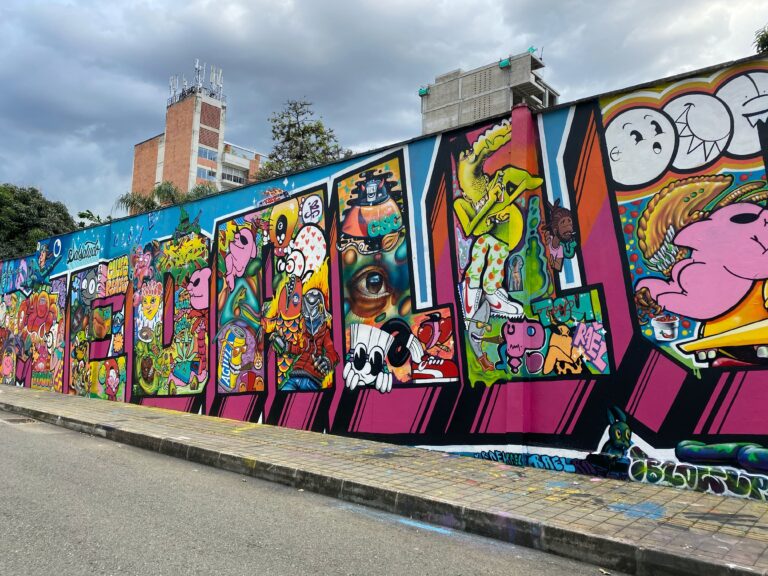
• graffiti writers painted backdrops and walls
• rappers performed between rounds
• community centers hosted hip-hop nights
Dance became the bridge that unified Cali’s early hip-hop culture.
While Bogotá built rap and graffiti, Cali built movement.
And that movement evolved into a full cultural identity.
Legacy: Cali as a National Breakdance Powerhouse
Today, Cali remains one of Colombia’s strongest cities for breakdance.
Its dancers compete nationally and internationally.
The city hosts workshops, events, and festivals dedicated to hip-hop dance.
But the legacy goes deeper than trophies.
Cali’s b-boy explosion showed Colombia that hip-hop didn’t need a studio to grow — it needed energy, community, and rhythm.
Cali proved that dance could be both rebellion and celebration, both survival and storytelling.
Cali didn’t just adopt breakdance.
It transformed it into one of Colombia’s earliest, most powerful hip-hop languages.
About the Author