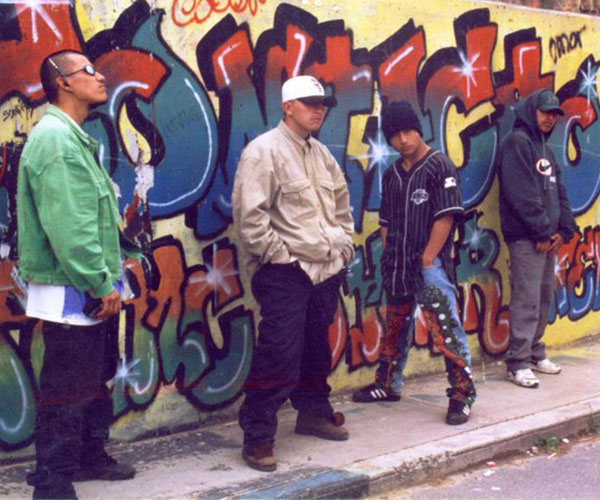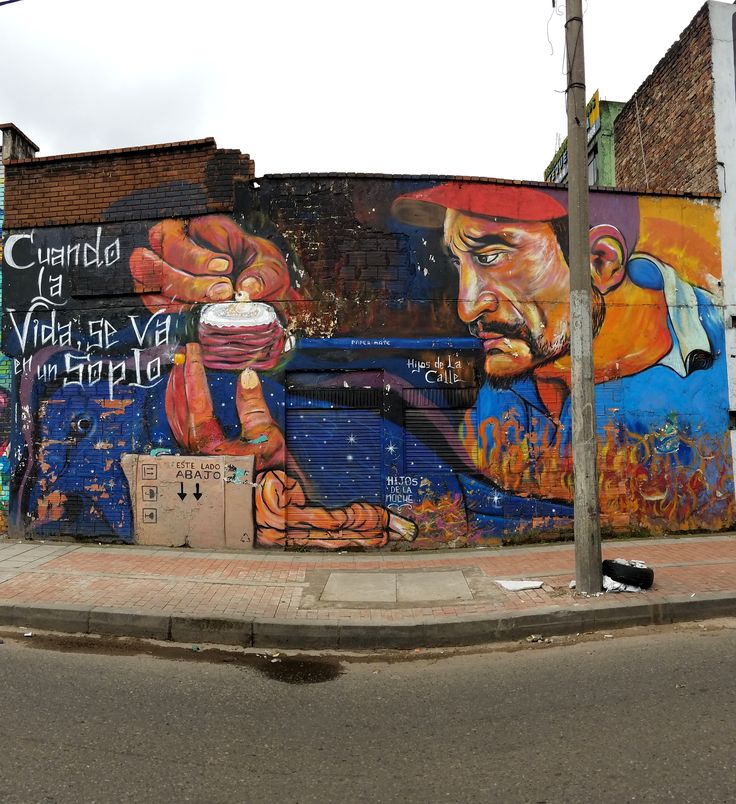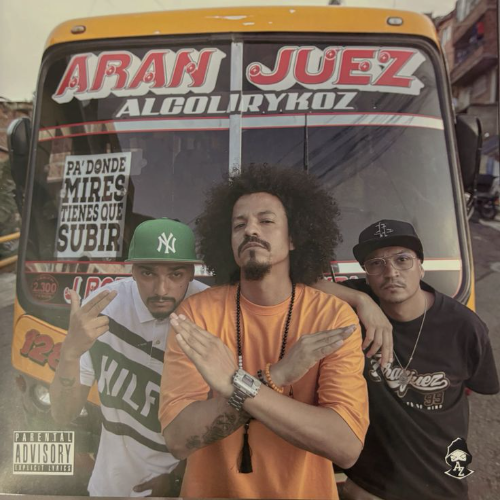
Long before Colombian rap conquered global stages, it took root in Bogotá’s streets, bus stations, school yards, and forgotten corners of the city. The capital didn’t just adopt hip-hop — it incubated it. From breakdance circles in downtown plazas to the first graffiti crews painting political rebellion on concrete, Bogotá became the laboratory where Colombian hip-hop identity was invented.
This is the timeline of how the movement was born.
Late 1980s: The First Sparks
Hip-hop entered Bogotá quietly, through objects more than artists.
VHS tapes of Beat Street and Breakin’ landed in San Victorino’s pirate stands. Cassettes of Run-D.M.C., Public Enemy, and early LL Cool J spread through downtown mini-markets. Kids copied the clothing styles, the attitude, and especially the dancing.
Chapinero, Las Cruces, and the city center saw the earliest breakdance gatherings. Teenagers formed improvised circles on cracked concrete, practicing moves they had memorized from blurry tapes. For many, hip-hop was a new language — physical, expressive, and defiant.
Street dance became Bogotá’s first hip-hop discipline.
Early 1990s: The Breakdance Crews Form
By the early ’90s, Bogotá had established crews that trained consistently and battled in public spaces.
Groups like Rocking Star, The City Breakers, and early Chapinero crews became references for the whole city. They practiced in plazas, parks, bus terminals, and school courts, often with cheap boom boxes or borrowed speakers.
These dancers didn’t have the luxury of mats or polished floors. They learned power moves on rough pavement, adapting U.S. breakdance style to Colombian reality. For the first time, Bogotá youth saw hip-hop as a practice — not just entertainment.
Graffiti Writers Claim the Walls
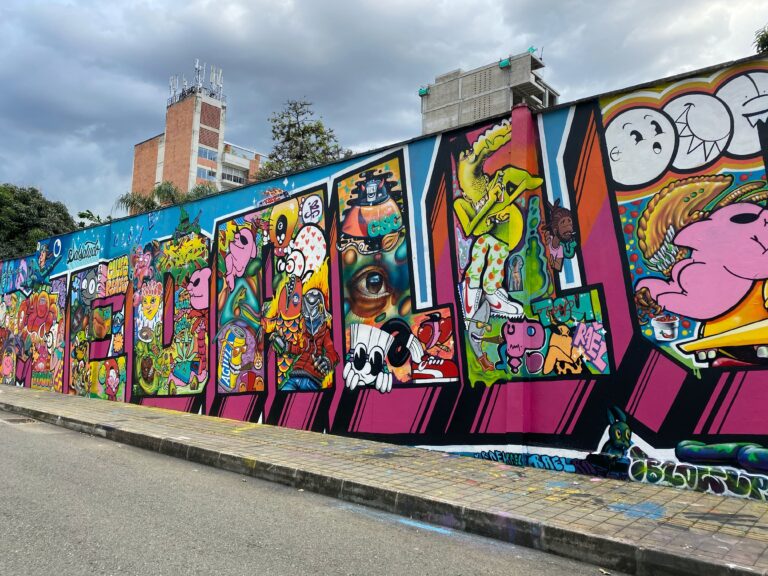
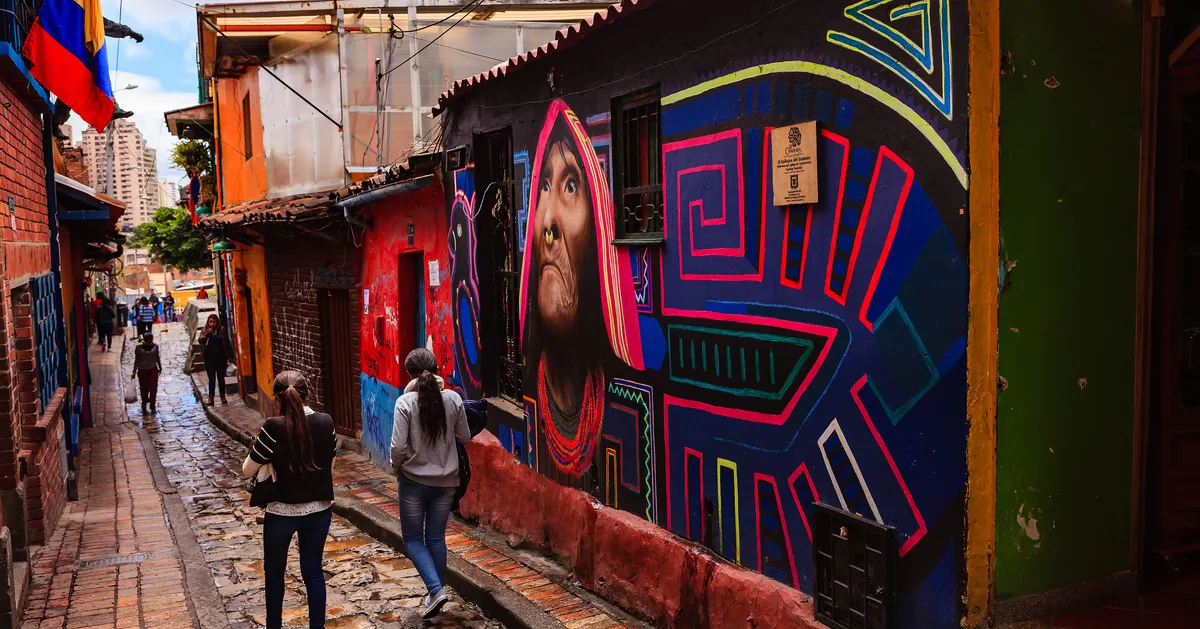
While breakdancers were taking over plazas, graffiti writers began shaping Bogotá’s visual identity.
Graffiti was political, rebellious, and loud. Writers tagged buses, bridges, and abandoned buildings with messages about inequality, street culture, and resistance. They created characters, street chromes, and full-color pieces long before the city accepted graffiti as art.
Bogotá’s early writing culture wasn’t separated from hip-hop — it was part of the same energy.
Young artists used graffiti to speak the truth they couldn’t say publicly. This era laid the foundation for Bogotá becoming one of the most important graffiti capitals in Latin America.
The First Rap Voices Appear
Although dance and graffiti came first, the microphone wasn’t far behind.
In low-income neighborhoods, young MCs started freestyling over U.S. beats. Borrowed speakers, home radios, and copied cassettes became tools for the first Colombian rap verses. The language was Spanish, but the cadence was pure street.
Out of this moment emerged groups that would become the pillars of Colombian rap.
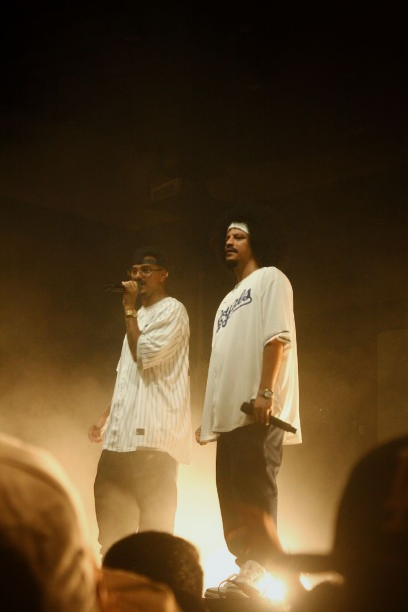
La Etnnia began forming in the late ’80s and early ’90s in Bogotá’s Las Cruces neighborhood. Their early demos circulated hand-to-hand, building the first loyal rap audience in the city’s barrios. Gotas de Rap began crafting politically charged verses, turning local struggle into poetic resistance.
These pioneers were not imitating New York rappers. They were speaking from Colombian reality, using hip-hop as a weapon for storytelling.
Mid 1990s: Bogotá Becomes a Movement
By the mid ’90s, Bogotá wasn’t just copying hip-hop — it was generating it.
Neighborhoods like Suba, Engativá, San Cristóbal, and Ciudad Bolívar became small hubs of hip-hop activity. Crews formed alliances. Graffiti writers collaborated with breakdance crews. MCs started recording homemade tracks and trading tapes at plazas and flea markets.
Hip-hop became a community.
Open mic sessions appeared at parks and public steps. Street battles and graffiti nights became regular. The movement had spread beyond downtown and reached the city’s edges.
Late 1990s: Bogotá Builds Infrastructure
As the decade closed, Bogotá had the first elements of a real rap industry:
Small studios began recording early Colombian rap albums. Independent labels tried to support local artists. Cultural centers offered space for dance and graffiti workshops. Hip-hop was growing from passion into discipline.
Bogotá’s identity became clear — raw, political, narrating the struggles of marginalized communities.
The Cultural Explosion Takes Hold
By the end of this foundational era, Bogotá had claimed the title of Colombia’s hip-hop birthplace.
Breakdance shaped the city’s early energy.
Graffiti gave its streets a visual voice.
Rap connected the barrios and gave youth a language of survival, truth, and pride.
Bogotá didn’t just host hip-hop; it nurtured it. It became the ecosystem where street culture found structure, solidarity, and purpose. Every major Colombian rap figure today stands on the shoulders of this early generation that turned tapes, concrete, and creativity into a movement that still defines Colombian identity.
About the Author