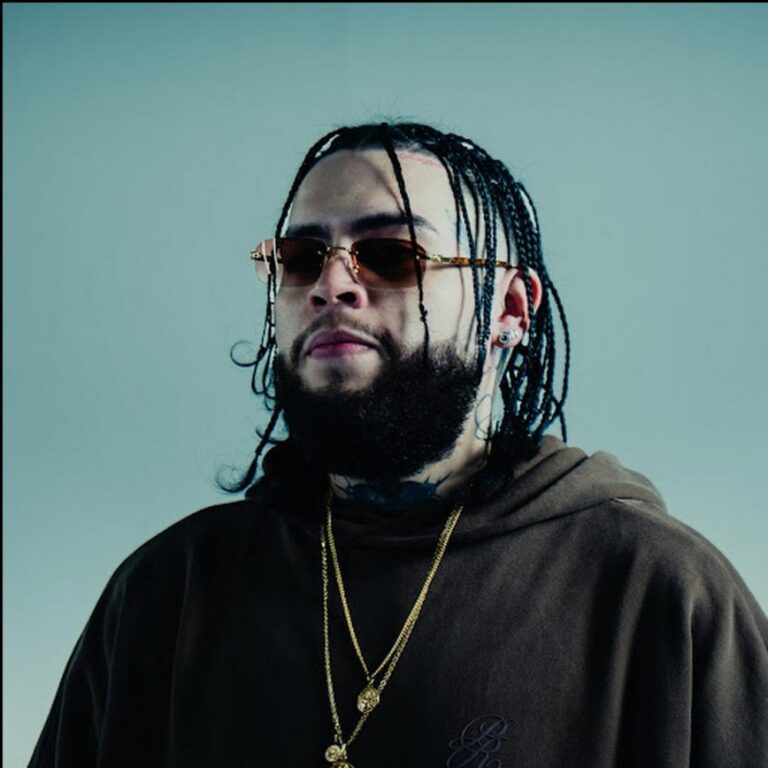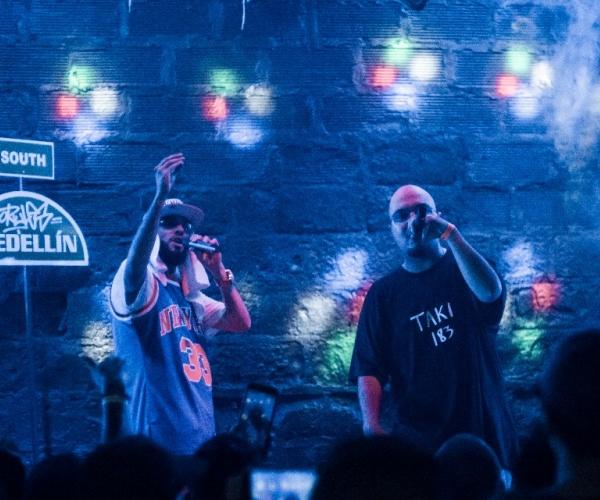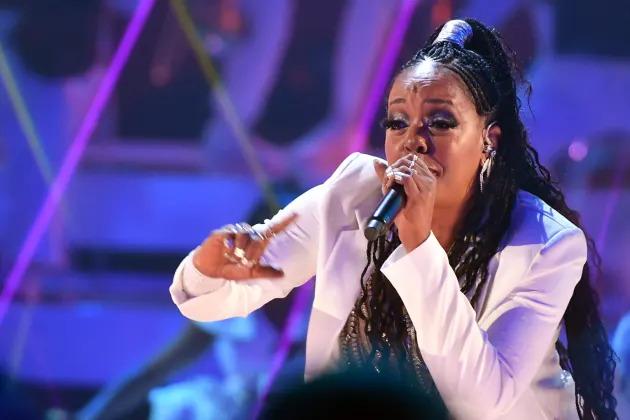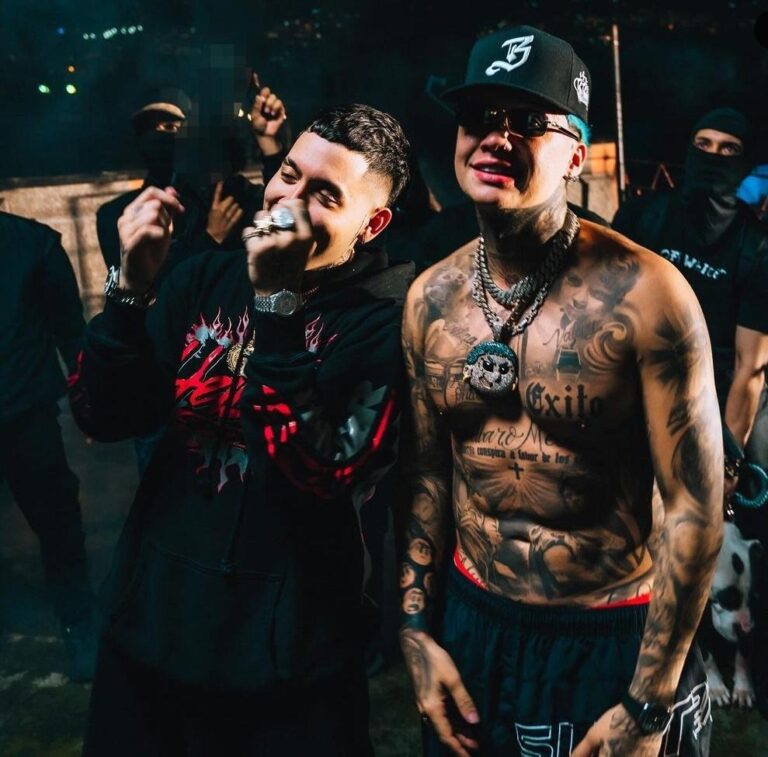
Bogotá isn’t just Colombia’s political heart—it’s one of Latin America’s most authentic hip-hop hubs. The city’s sound is gritty, conscious, and deeply rooted in real-life struggles, blending boom bap, trap, and Latin urban influences into something uniquely its own.
The Roots of Bogotá Hip-Hop
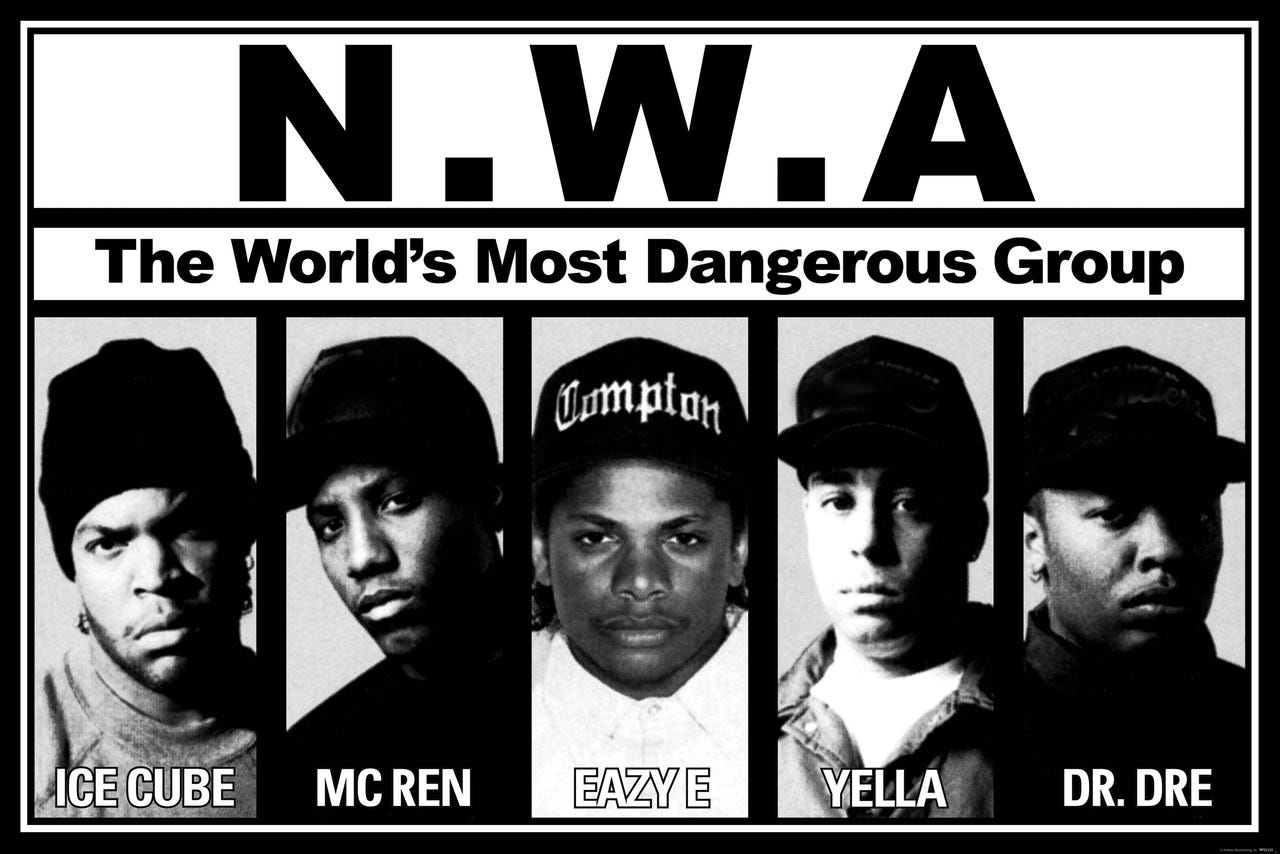
Hip-hop culture in Bogotá dates back to the late 1980s and early ’90s, influenced heavily by U.S. rap icons like Public Enemy and N.W.A. As the culture spread, local artists began adapting the sound to reflect Colombia’s realities—violence, inequality, and resilience.
By the 2000s, Bogotá had a fully formed underground scene, with rap collectives, graffiti crews, and breakdancers shaping a full hip-hop ecosystem.
Key Artists Leading the Movement
Bogotá’s scene thrives on authenticity, and several artists have helped push it both locally and globally:
- Alcolirykoz – Known for lyrical depth and jazz-influenced beats, they’re one of Colombia’s most respected rap groups.
- Crack Family – A major force in Bogotá’s underground, representing street realities with raw storytelling.
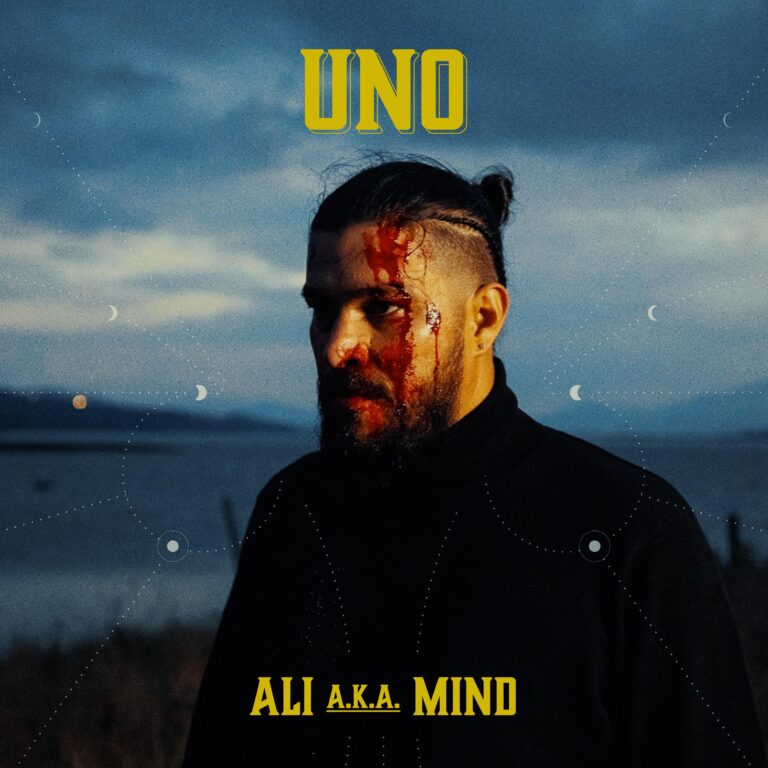
- Ali A.K.A Mind – Blends spirituality, poetry, and social commentary into conscious rap.
- Nanpa Básico – One of the most internationally recognized, mixing rap with melodic and romantic elements.
- Akapellah (frequent collaborator in the region) – Helps connect Bogotá’s sound to the wider Latin rap scene.
The Sound: More Than Just Bars
Bogotá hip-hop isn’t boxed into one style. You’ll hear:
- Boom bap – Classic beats, heavy lyricism
- Trap & drill influences – Younger artists pushing modern flows
- Latin fusion – Incorporating reggaeton, salsa, and Afro-Colombian rhythms
Neighborhoods like Ciudad Bolívar and Kennedy have become breeding grounds for new talent, where music is often a form of survival and expression.
Street Culture & Freestyle Battles
Freestyle is the heartbeat of Bogotá hip-hop.
One of the most iconic events is Red Bull Batalla, where Colombian MCs regularly dominate Spanish-speaking battles. Local plazas and parks host weekly rap battles, where upcoming artists sharpen their skills and gain recognition.
These battles aren’t just entertainment—they’re platforms for storytelling, political commentary, and raw lyrical competition.
Hip-Hop as Social Resistance
Colombian rap is deeply political. Decades of conflict, inequality, and social struggle have shaped the themes artists explore.
Groups like Crew Peligrosos (from Medellín but influential nationwide) and Bogotá-based rappers often speak on:
- Police brutality
- Poverty and marginalization
- Government corruption
- Identity and Afro-Colombian pride
Hip-hop here isn’t just music—it’s activism.
The New Wave
A younger generation is redefining Bogotá’s sound:
- More melodic flows
- Influence from global trap and drill scenes
- Increased presence on platforms like Spotify and YouTube
Artists are now reaching international audiences without losing their local identity.
Why Bogotá Hip-Hop Matters Globally
Bogotá’s hip-hop scene proves that the culture thrives far beyond the U.S. It’s a reminder that hip-hop is a universal language—one that adapts to every struggle, every city, and every voice.
From underground cyphers to international stages, Bogotá continues to rise as a powerful voice in global hip-hop.
About the Author