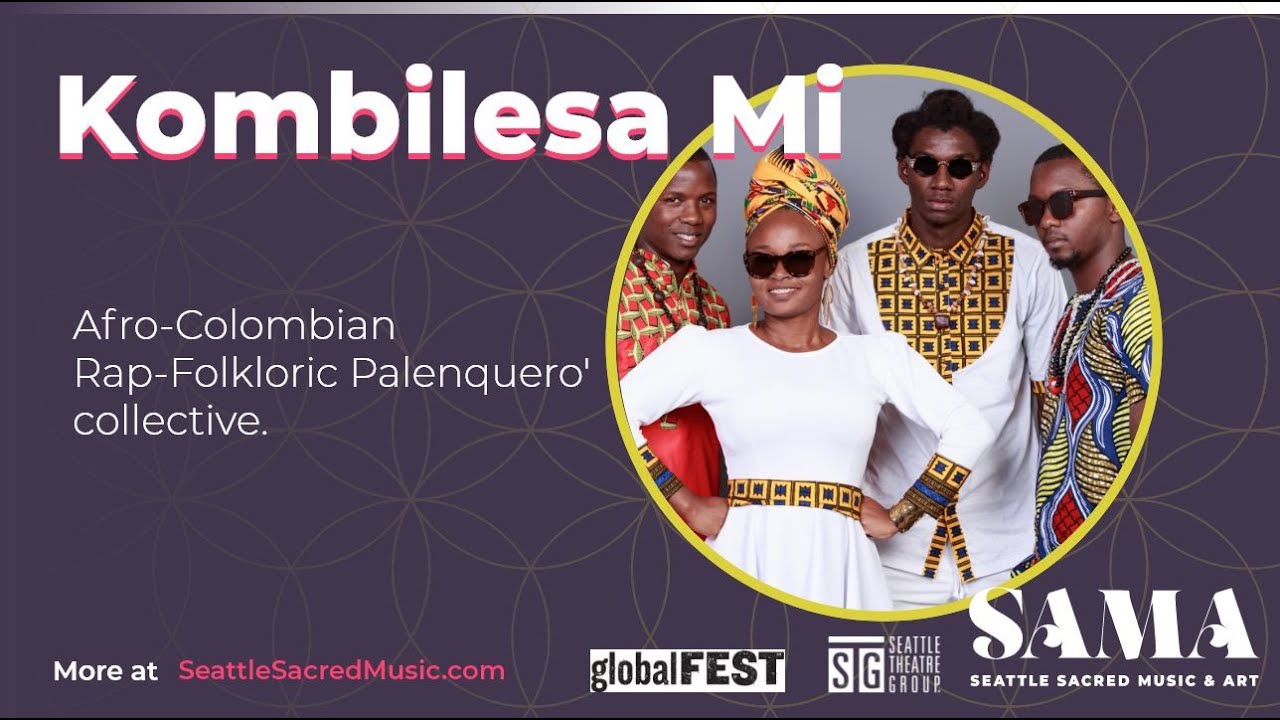
Colombian hip-hop has never been content to stay in one lane. While the movement started as a response to global rap influences from the U.S., local artists quickly began to reshape it with their own sounds—layering traditional instruments, regional rhythms, and cultural soul into the mix. Today, Colombian hip-hop stands as one of the most eclectic and innovative soundscapes in Latin America, where cumbia meets trap, and Afro beats blend with ancestral drum patterns.
Roots of Rhythm: Where It All Began
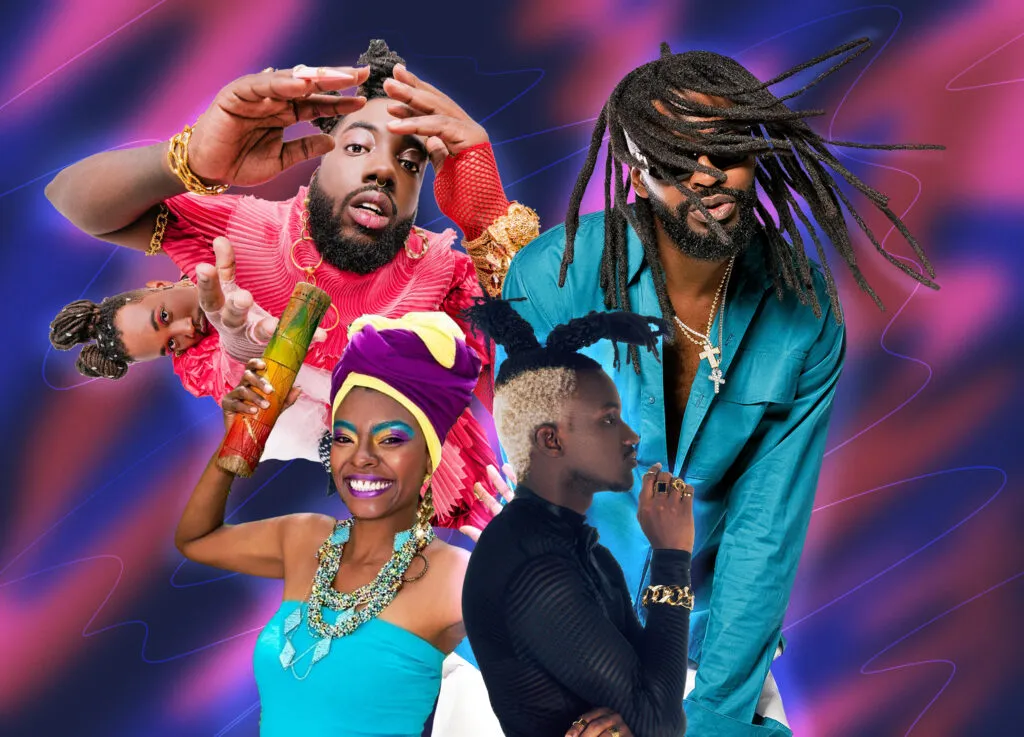
In the early 1990s, Colombian rappers like La Etnnia and Gotas de Rap were channeling U.S. boom-bap energy, but it didn’t take long for them to start fusing local elements. Sampling old vallenato riffs or using tambora percussion gave their music a familiar heartbeat that resonated with the Colombian streets. It wasn’t just hip-hop anymore—it was Bogotá, Barranquilla, and Cartagena rhyming through basslines.
This cultural reinvention reflected a bigger idea: Colombian hip-hop wasn’t copying; it was creating. Artists understood that their communities had stories older than hip-hop itself, and blending those with rap became a way to reclaim identity.
Cumbia Meets the Cypher
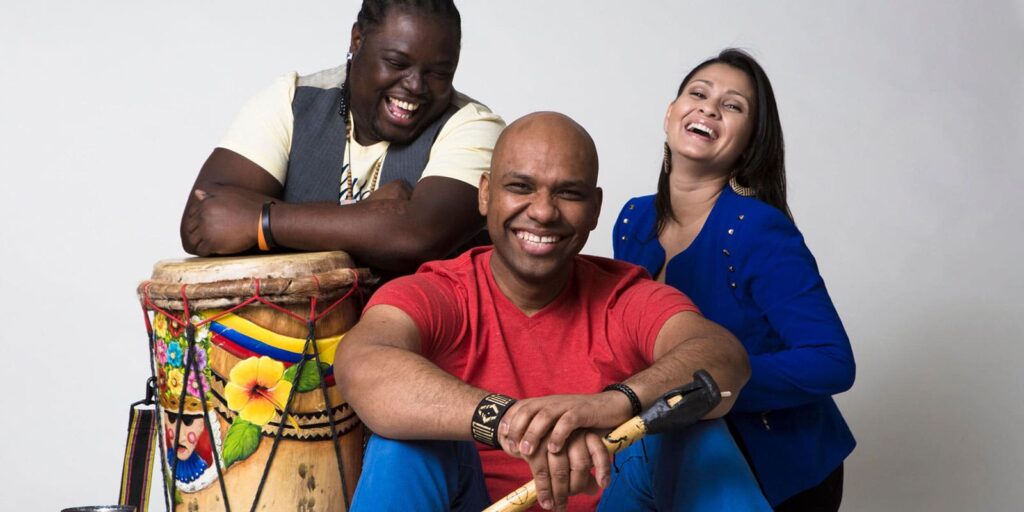
One of the most fascinating fusions is between hip-hop and cumbia. The cumbia’s syncopated rhythm and accordion melodies add a hypnotic feel to rap tracks, creating something uniquely Colombian. Acts like Crew Peligrosos and Zalama Crew experimented with this crossover, producing songs that make you nod your head and dance at the same time.
In Medellín, some producers even remix trap beats with cumbia percussion, crafting beats that sound both ancestral and futuristic. It’s the sound of Colombia’s past shaking hands with its digital present.
Afro Beats and the African Connection
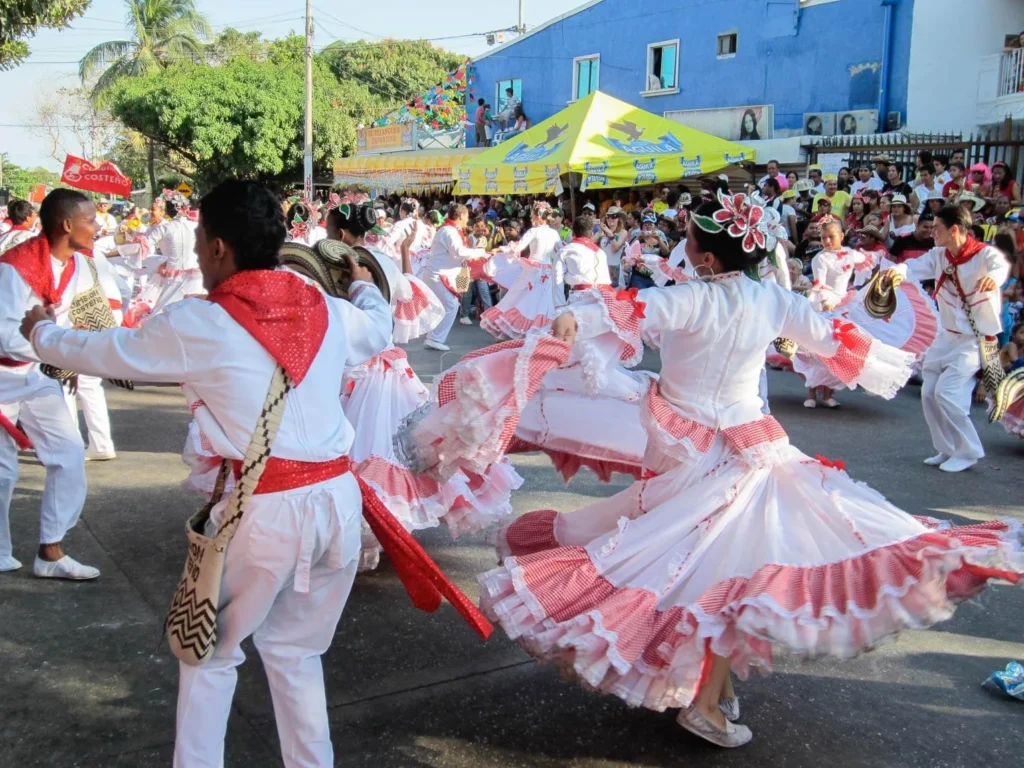
Colombia’s Caribbean coast has a strong Afro-descendant presence, especially in cities like Cartagena, Palenque, and Barranquilla. These areas became the heartbeat of Afro-Colombian fusion within hip-hop.
Artists such as Kombilesa Mi and Afrotura have taken this to new heights by blending African rhythms, chants, and instruments with rap verses. Their work is both musical and political—a celebration of black identity, history, and the deep African roots of Colombia’s soundscape.
Afro beats, imported from the global south but reinvented in local studios, now pulse through clubs and festivals in Bogotá. It’s a new kind of unity—Africa meeting Latin America through hip-hop’s universal language.
The Folk Influence: Tradition in Transition
Folk instruments like the gaita, marimba, and cajón have found their way into Colombian hip-hop productions. Artists from the Pacific coast often use these instruments to keep ancestral sounds alive while telling stories about displacement, social injustice, and community resilience.
Groups such as ChocQuibTown made this blend world-famous, merging urban grooves with folklore. Their global success opened doors for other artists to embrace the same hybrid energy—music that honors the village and the city at once.
Cross-Cultural Collaborations
Modern Colombian hip-hop thrives on experimentation. Producers and DJs collaborate with reggae artists, salsa musicians, and even electronic DJs to create layered sonic experiences. Bogotá’s underground studios are a laboratory of rhythm where genres like dancehall, funk, and even reggaeton merge seamlessly with lyrical rap delivery.
Hip-hop collectives like Aerophon Crew and Rap Bang Club have crafted collaborations that push genre boundaries. By merging English hooks with Spanish verses, they speak to both local and global audiences, proving that rhythm has no borders.
Global Reach, Local Soul
Today, Colombian hip-hop doesn’t just echo the Bronx—it speaks to the world from its own corner. International listeners recognize Colombia’s contribution to global hip-hop as one rooted in authenticity, diversity, and fearless creativity. The fusion of folk, cumbia, and Afro beats isn’t just a sound; it’s a statement of identity.
It reminds the world that hip-hop is not about imitation but innovation—a living, breathing art form that evolves with every culture it touches. In Colombia, that evolution carries the heartbeat of the mountains, the coasts, and the barrios.
Conclusion: A Sound Born of Many Worlds
The blending of genres in Colombian hip-hop reflects the country’s multicultural makeup. Every rhythm tells a story of resistance, joy, and heritage. The result is music that moves both your body and your spirit. It’s a sonic revolution that continues to shape identity, inspire creativity, and unite generations under one beat.
Hip-hop in Colombia is no longer just borrowed—it’s owned, transformed, and reborn with every cumbia rhythm, every Afro drum, and every rhyme that speaks the truth of its people.
About the Author