Bogotá continues to solidify itself as one of Latin America’s most active urban music hubs. During mid-April 2026, the city’s hip-hop landscape is defined less by a single large festival and more by a constant flow of club shows, underground cyphers, and experimental rap performances spread across key venues. The culture is alive in smaller rooms, where emerging artists and established performers share the same stages, pushing the sound of Colombian hip-hop forward.
Unlike major festival weeks, this period is shaped by intimacy and experimentation. The city’s rap identity is being built in places like Chapinero’s underground clubs, pop-up event spaces, and live fusion performances that blend jazz, trap, and freestyle rap.
Underground Clubs Driving the Scene
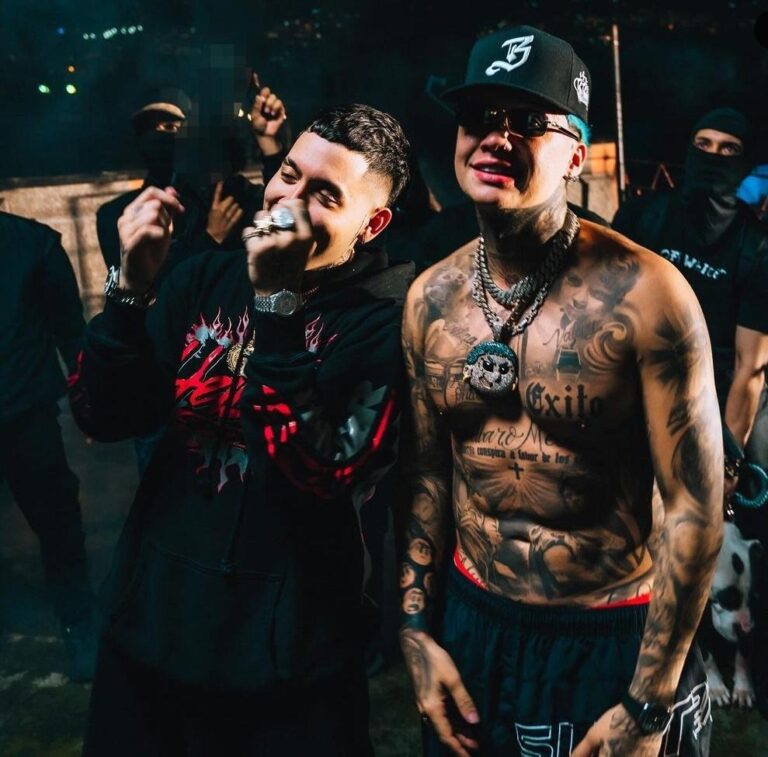
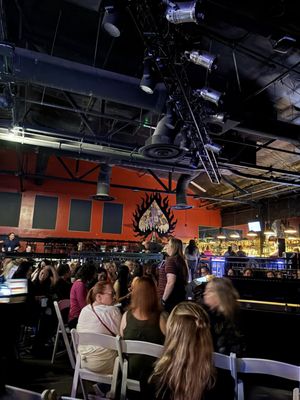
One of the central engines of Bogotá’s hip-hop energy is its underground club circuit. Venues such as the Ace of Spades Club have become key platforms for Latin trap, drill-influenced rap, and experimental hip-hop sets. These spaces are not just performance halls—they function as cultural meeting points where DJs, MCs, and producers interact directly with fans.
During this period, club nights like “Lucifer” continue to attract attention. These events lean heavily into dark trap production, aggressive basslines, and high-energy performances from local MCs. The crowd is typically young, engaged, and deeply connected to the underground aesthetic, where authenticity matters more than mainstream appeal.
The structure of these nights is fluid. A DJ set may transition into a freestyle session, and a scheduled performance can evolve into an open cypher depending on crowd energy. This flexibility is part of what keeps Bogotá’s underground hip-hop scene dynamic and unpredictable.
Experimental Fusion and Live Instrumentation
Beyond trap-heavy club nights, Bogotá is also experiencing a rise in genre-blending hip-hop performances. Artists are increasingly combining live instrumentation with rap flows, creating a sound that sits between jazz, Latin rhythm, and hip-hop structure.
A notable example is the work of performers like Orestes Gómez, whose live sets incorporate improvisation and musical fusion. These shows appeal to audiences who want something beyond traditional rap concerts. Instead of DJ-only performances, the stage often includes live bands, saxophones, percussion layers, and freestyle rap sections that evolve in real time.
This direction reflects a broader shift in Colombian urban music: hip-hop is no longer confined to pure rap formats. It is becoming a hybrid performance art that absorbs multiple musical traditions.
The Rise of Latin Trap Dominance
Latin trap continues to dominate Bogotá’s club and youth culture. The sound is characterized by heavy 808s, minimalist beats, and Spanish-language flows that reflect street narratives and urban ambition. In mid-April 2026, this style remains the most commercially successful within the city’s hip-hop ecosystem.
What is notable, however, is how local artists are beginning to reshape the genre. Instead of copying global trap trends, Bogotá’s MCs are integrating regional slang, Colombian storytelling, and socially grounded themes into their music. This gives the sound a distinct identity that separates it from U.S. trap influences.
The result is a hybrid style that feels both global and deeply local at the same time.
Cyphers, Open Mics, and Grassroots Culture
While club shows attract attention, the foundation of Bogotá hip-hop remains its grassroots cyphers. Small venues, rehearsal rooms, and informal gatherings host freestyle sessions where emerging artists test their skills in real time.
These cyphers are essential to the development of the scene. They function as training grounds where MCs refine flow, lyricism, and stage presence. Unlike structured concerts, cyphers are unpredictable, often driven by competitive energy and spontaneous creativity.
In neighborhoods like Chapinero and surrounding creative districts, these events are often promoted through social media rather than formal ticketing systems. This keeps the scene accessible and constantly evolving.
Cultural Momentum in Bogotá Hip-Hop
Bogotá’s hip-hop growth is tied to several cultural factors. First, there is increased support for independent collectives that organize events without relying on major labels. Second, international attention toward Latin urban music has created more touring opportunities for local artists. Third, the city’s youth culture is deeply connected to digital platforms, allowing underground tracks and performances to circulate quickly.
This combination has created a self-sustaining ecosystem where artists can grow from cypher participants to club headliners within a short period of time.
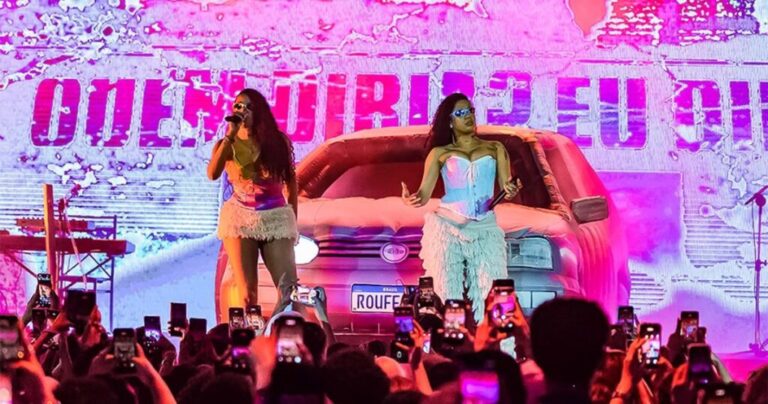
The presence of larger venues also plays a role. As artists progress, they move from underground clubs to major stages, eventually reaching venues like Movistar Arena, signaling a clear career pathway within the local industry.
YouTube Performance Energy
Conclusion
Mid-April 2026 in Bogotá does not revolve around a single defining festival. Instead, it reflects a layered ecosystem of hip-hop culture. Underground clubs provide raw energy, fusion performances expand musical boundaries, and Latin trap continues to dominate the mainstream soundscape.
The city’s hip-hop identity is not static. It is evolving through constant interaction between artists and audiences in intimate spaces. From cyphers in small rooms to experimental live shows and packed club nights, Bogotá is building a scene that is both culturally grounded and globally connected.
As the month progresses, this momentum is expected to continue, with emerging artists pushing harder into mainstream recognition while maintaining strong ties to the underground foundation that defines the city’s rap culture.
About the Author