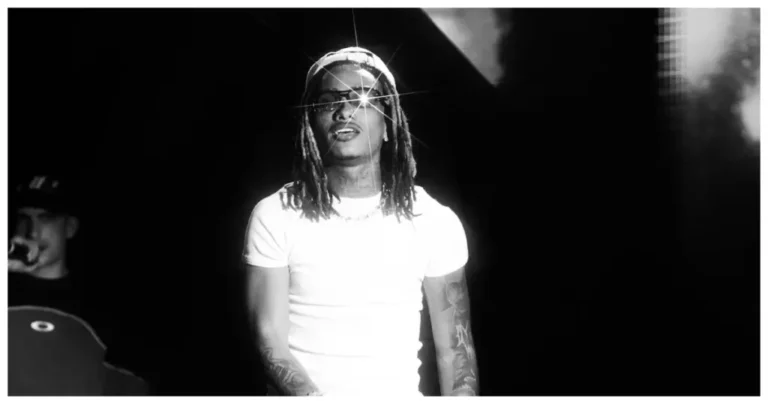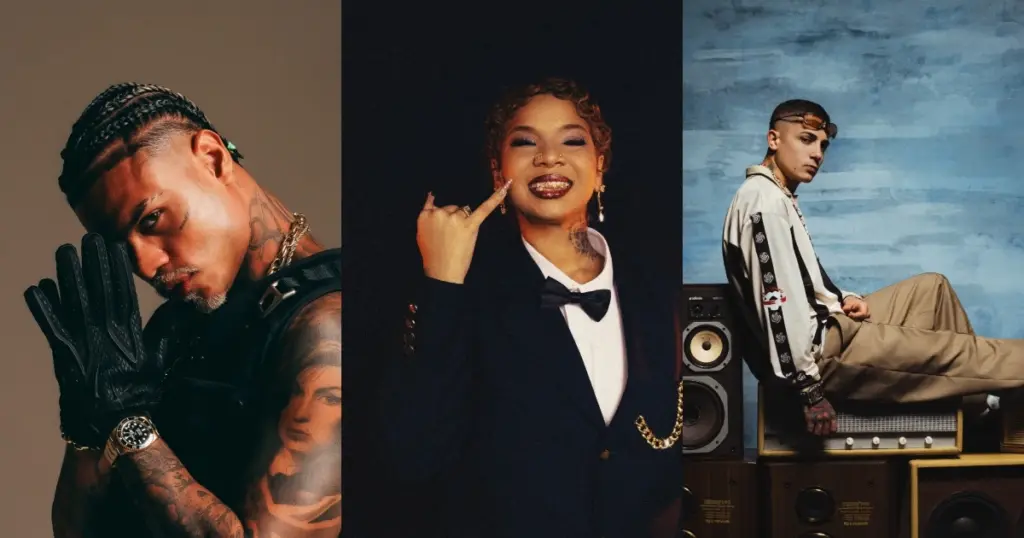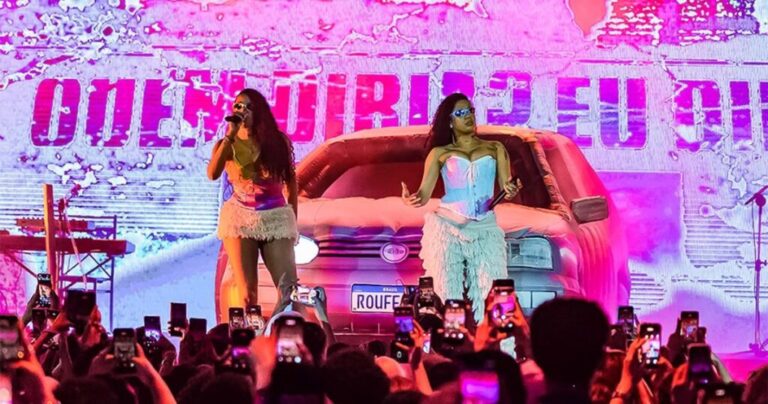
The 2nd week of January 2026 has seen a subtle yet impactful wave of creativity in the Colombian hiphop scene. While major album drops are still on the horizon, underground talent, independent releases, and social media buzz are lighting up the nation’s rap culture. Bogotá hiphop remains the hub of these developments, as young artists and crews continue to push boundaries, blending street-level authenticity with modern production.
New Tracks & Underground Releases
This week, several underground artists released tracks that are already generating chatter online:
- MC Jairo dropped his single Ciudad Latente, combining reflective lyrics about urban life with modern boom‑bap beats, solidifying his presence in Bogotá hiphop circles.
- La Killa Crew, a group from Medellín, released Ritmo de Barrio, a high-energy anthem celebrating street culture, resilience, and local pride — now making waves in Colombian hiphop playlists.
- Fénix Flow, an emerging solo artist, shared Aurora de Medianoche, a track that mixes soulful rap with R&B textures, highlighting the diversity of Colombia’s hiphop soundscape.
These tracks reflect a broader trend in Colombian hiphop: a focus on storytelling, social commentary, and experimentation, showing that the scene is maturing artistically even as it remains connected to its underground roots.
Bogotá HipHop: Community & Collaboration
Bogotá hiphop thrives on collaboration. Open mic events and street cyphers continue to be vital for talent discovery and networking. This week, several pop-up cyphers in downtown Bogotá featured young artists battling for recognition, reinforcing the city’s reputation as the incubator of Colombian hiphop culture. The energy at these events demonstrates that Bogotá hiphop is not just music — it’s a social movement, where creativity, resilience, and local identity intersect.
Collaborations between established acts and newcomers are also shaping the landscape. Artists like Penyair and Realidad Mental, veterans of Bogotá’s scene, have been mentoring emerging rappers, providing guidance and studio access. This dynamic keeps Colombian hiphop evolving while respecting the roots and traditions that gave rise to the culture.
The Social Media Pulse
In addition to live events, social media is proving critical for Colombian hiphop visibility. Platforms like Instagram, TikTok, and YouTube have become primary tools for releasing singles, teasers, and freestyle videos. In the 2nd week of January, hashtags like #BogotáHipHop, #ColombianHipHop2026, and #RapColombia were trending locally, reflecting growing interest and engagement from fans. Many independent artists rely on these digital channels to build their audience without traditional label support, showing the adaptability of the scene.
Street Culture Meets Festival Culture
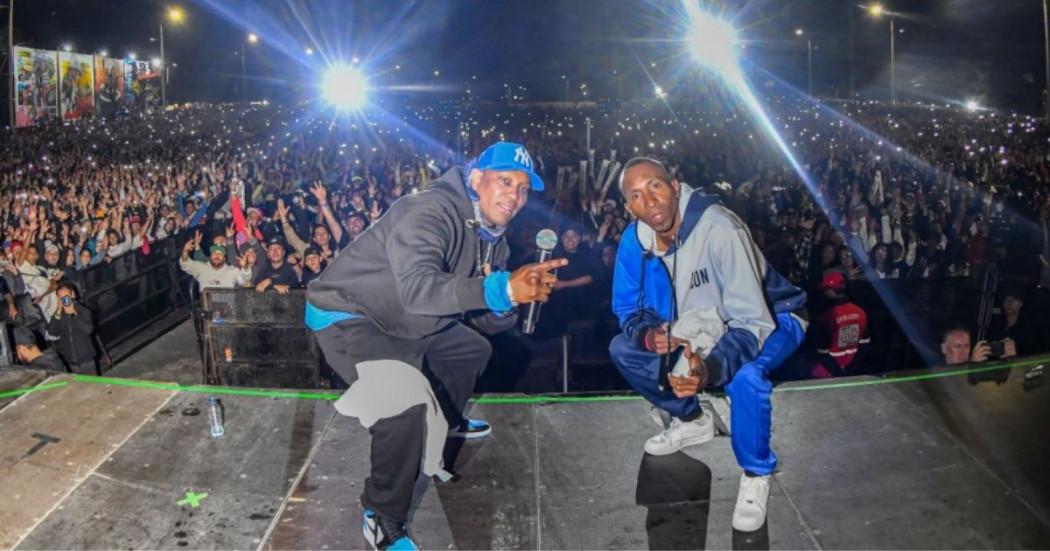
The intersection of street culture and festival platforms remains a defining feature of Bogotá hiphop. With Festival Centro approaching at the end of January, emerging artists are preparing to showcase their music alongside established names. This integration strengthens Colombian hiphop as a recognized genre in national cultural programming, while keeping the grassroots energy alive.
Events like cyphers, dance battles, and graffiti showcases complement these performances, making the Colombian hiphop scene vibrant and multidimensional. Fans anticipate discovering fresh talent during these festivals, highlighting the importance of local community support in sustaining the scene.
Looking Ahead
Even though the 2nd week of January didn’t feature blockbuster album releases, the focus on emerging talent, underground singles, and community-driven events indicates a healthy and growing Colombian hiphop ecosystem. Bogotá hiphop remains the heartbeat of this development, providing both a physical and cultural hub for artists to refine their craft and connect with audiences.
As 2026 unfolds, the combination of independent releases, mentoring from veteran artists, festival showcases, and active social media engagement ensures that Colombian hiphop will continue to thrive — connecting past influences with modern innovation, while cementing Bogotá as the cornerstone of Latin America’s rap culture.
About the Author