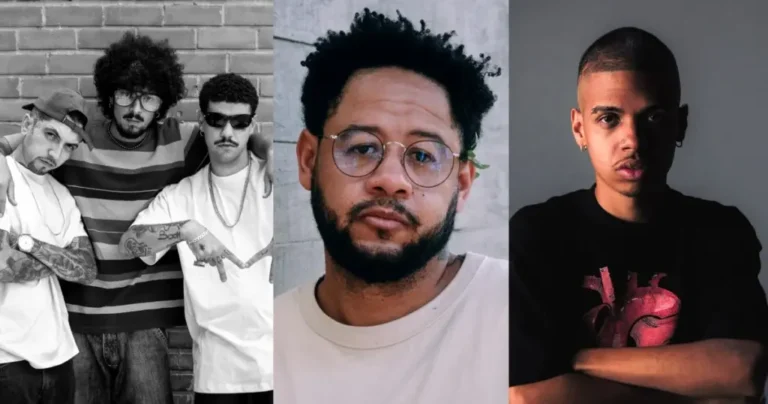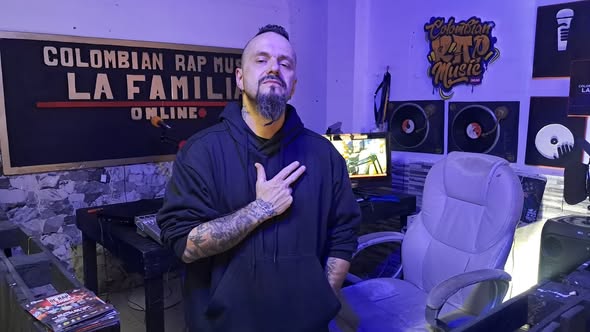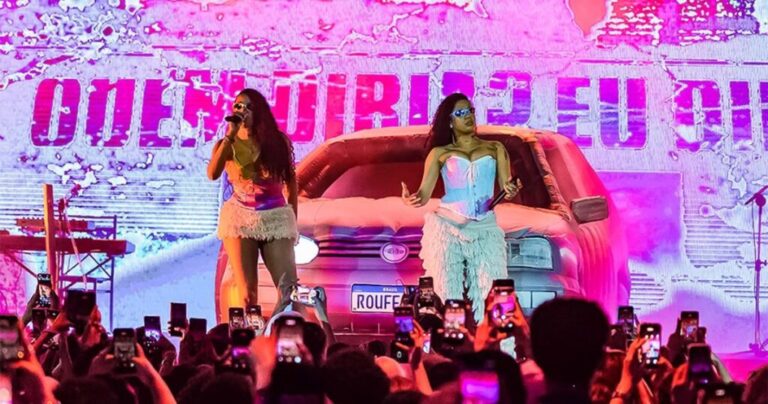
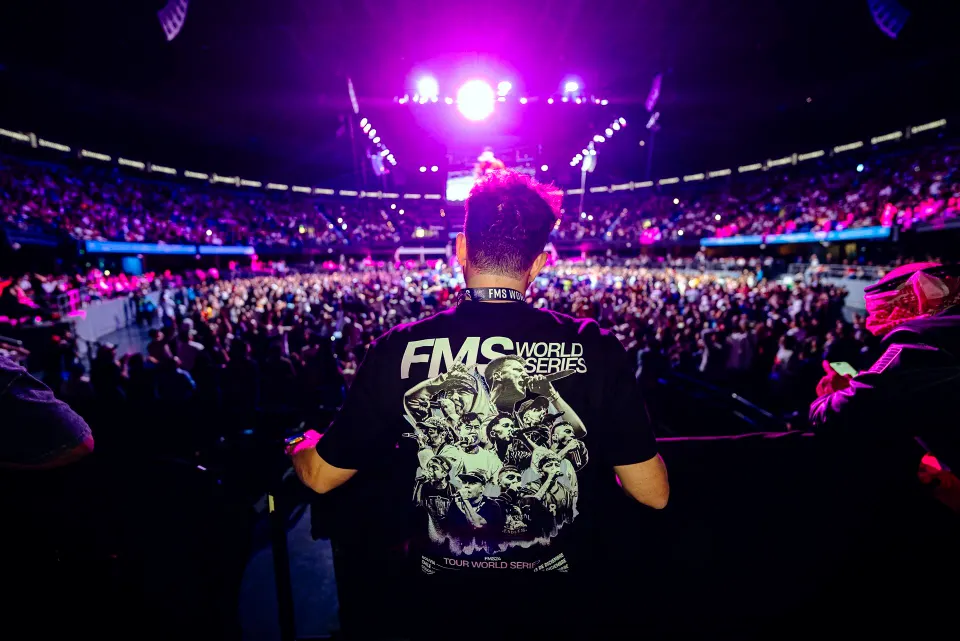
Colombia’s hip-hop culture continues to grow through raw street energy, independent artists, and a strong connection to real-life stories. While big festivals may be seasonal, the movement never stops. From freestyle cyphers to local shows and online drops, Colombian rap remains active, creative, and deeply rooted in the streets.
Hip-hop in Colombia has always been about expression. It’s a platform for young voices to speak on life, struggle, dreams, and identity. Across cities like Bogotá, Medellín, Cali, and Barranquilla, the culture keeps evolving with new sounds, fresh talent, and bold messages.
Local Artists Taking Center Stage
One of the strongest elements of Colombia’s hip-hop scene is its independent artists. Many rappers don’t rely on big labels or mainstream platforms. Instead, they build their fanbases through:
- Social media
- Street performances
- Underground shows
- YouTube and SoundCloud releases
- Community events
These artists speak directly to their communities. Their lyrics reflect everyday realities like economic pressure, love, family struggles, street life, and ambition. This honesty is what makes Colombian hip-hop feel authentic and powerful.
In cities like Bogotá, young rappers often perform at small venues, open mics, and cultural centers. These spaces allow them to sharpen their skills and gain confidence. Medellín continues to push trap and melodic rap, blending street energy with emotional hooks. Cali brings Afro-influenced rhythms into the mix, creating a unique sound that connects hip-hop with Caribbean culture.
The Power of Freestyle & Cyphers
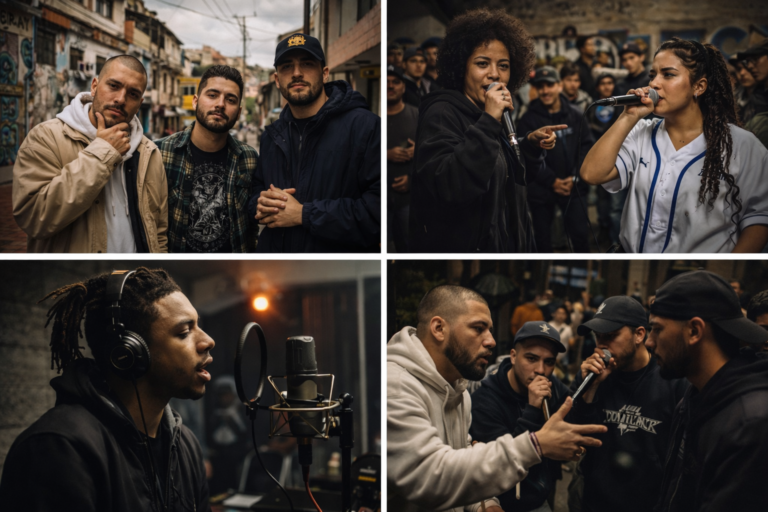
Freestyle culture remains a major part of Colombian hip-hop. Cyphers in parks, neighborhoods, and skate spots are where many artists prove their talent.
These sessions are competitive, creative, and full of energy. Rappers step into the circle and deliver verses off the top of their heads, often touching on social issues, personal struggles, and street experiences.
For many, freestyle is more than entertainment — it’s a way to earn respect. It shows lyrical ability, confidence, and presence. Some of Colombia’s best-known rappers started in these same circles before moving on to bigger stages.
Cyphers also bring people together. Fans, dancers, DJs, and graffiti artists often gather in the same spaces, creating a full hip-hop experience that goes beyond just music.
New Music, New Sounds
Colombian hip-hop continues to experiment with different styles. While traditional boom-bap still exists, many artists now mix rap with:
- Latin trap
- Drill
- Afrobeat
- Reggaeton influences
- Melodic hooks
This fusion helps Colombian rappers reach wider audiences while keeping their local identity. Songs often balance hard street energy with emotional storytelling, making them relatable to both local and international listeners.
Many artists are also focusing on visuals. Music videos shot in barrios, rooftops, and city streets add authenticity to their stories. These visuals show real environments, real people, and real culture.
Hip-Hop as a Voice for the Youth
For Colombian youth, hip-hop represents freedom of expression. It gives young people a way to speak without fear, especially in communities where opportunities are limited.
Lyrics often touch on:
- Poverty
- Police pressure
- Mental health
- Family struggles
- Dreams of success
- Social injustice
Through music, young artists turn pain into power. They transform their experiences into art that inspires others to keep pushing forward.
Hip-hop also offers a sense of belonging. Whether through dance, graffiti, DJing, or rapping, everyone can find their place in the culture.
Fashion, Art & Identity
Hip-hop culture in Colombia is also reflected through fashion and street art. Oversized clothing, sneakers, caps, and bold colors dominate the style. Graffiti murals cover walls with messages, faces, and symbols that represent resistance, creativity, and pride.
Streetwear brands inspired by hip-hop are growing locally, giving artists and fans a way to express their identity beyond music. These visuals help shape the image of Colombian hip-hop as confident, fearless, and expressive.
Digital Platforms Changing the Game
Social media plays a huge role in today’s hip-hop movement. Artists no longer need big budgets to reach fans. With just a phone and internet access, they can:
- Drop freestyles
- Share music videos
- Promote shows
- Build fanbases
- Connect with listeners worldwide
Platforms like YouTube, TikTok, and Instagram allow Colombian rappers to gain recognition beyond their neighborhoods. Some artists have even crossed borders, attracting international fans who connect with the emotion and energy in the music.
What’s Next for the Scene
Colombia’s hip-hop future looks strong. More artists are gaining confidence, improving production quality, and telling their stories without filters. The underground movement continues to grow, pushing creativity and originality.
Fans can expect:
- More local showcases
- More street cyphers
- More independent music drops
- More cultural collaborations
As the year moves forward, bigger events and festivals are likely to return, giving artists larger platforms to shine. But no matter how big the stages get, the heart of Colombian hip-hop will always stay in the streets.
From freestyle circles to digital releases, Colombia’s rap culture remains real, resilient, and deeply connected to its people. The voices are loud, the stories are powerful, and the movement is only getting stronger.
About the Author