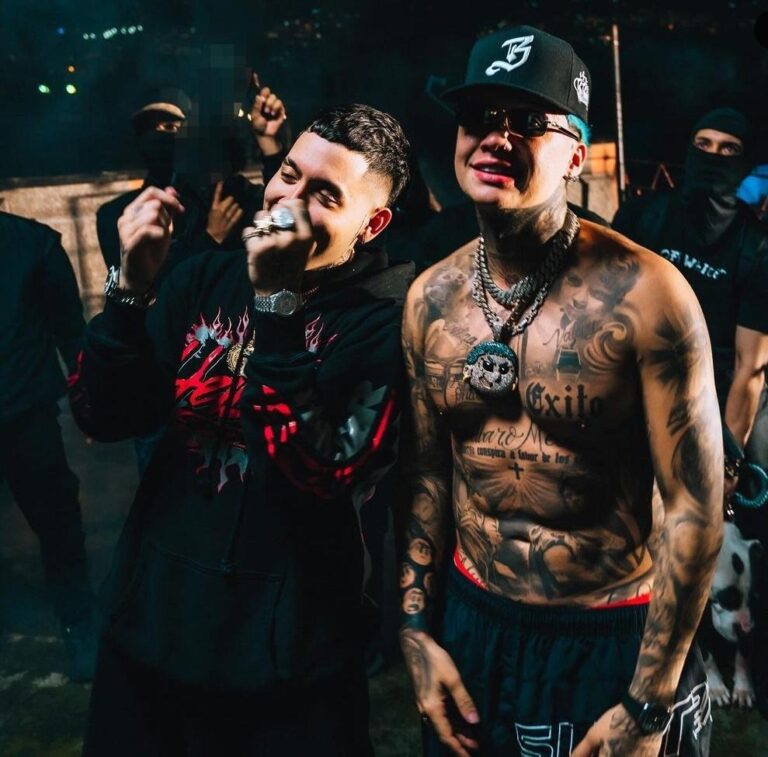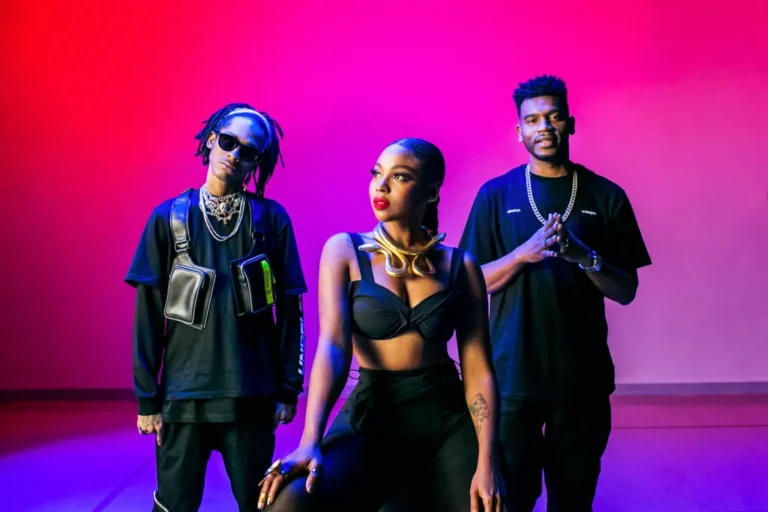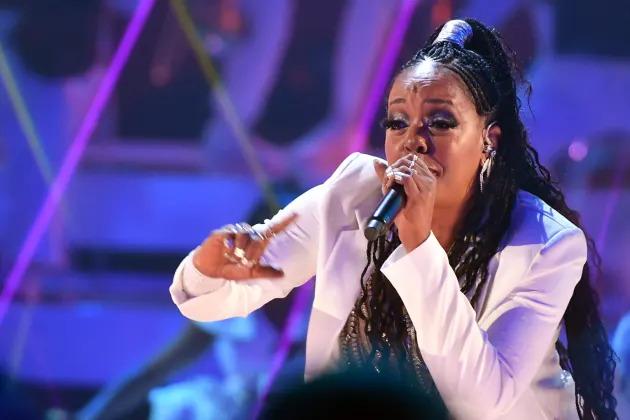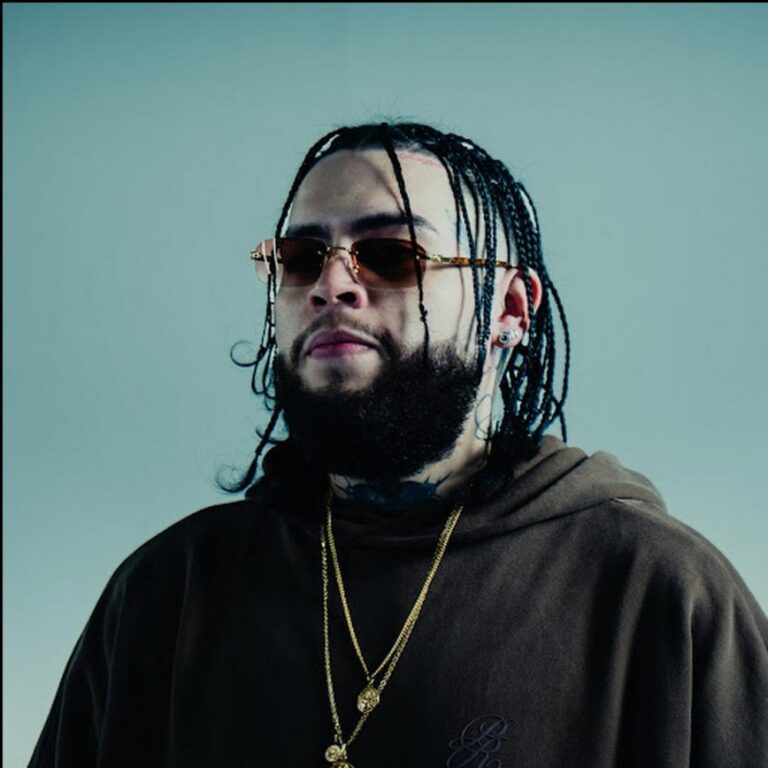
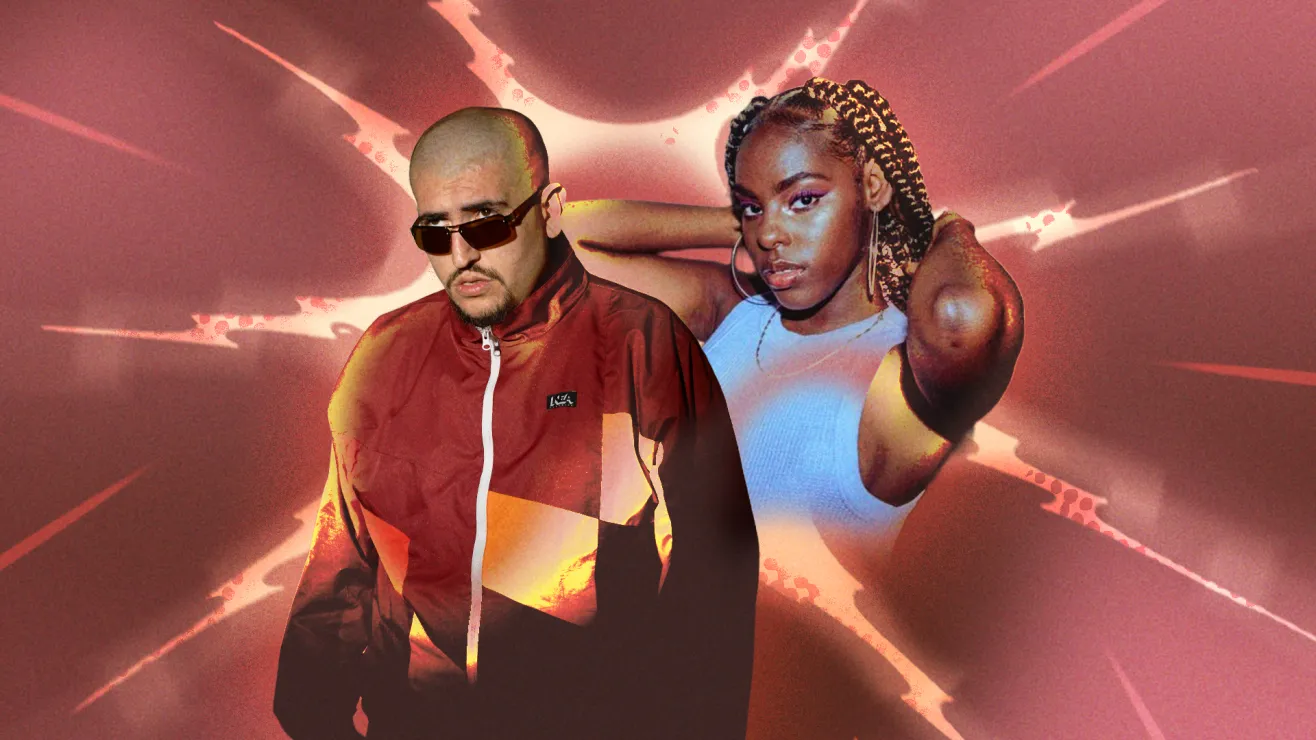
Colombia’s hip-hop story is often told from Bogotá and Medellín, but this season, all eyes are drifting southwest—straight to Cali, where a new generation of rappers, producers, and street collectives is shaping one of the most vibrant hip-hop waves the country has seen in years. Known as “Valle Flow”, the Cali movement blends classic boom bap, Afro-Colombian rhythms, gritty barrio storytelling, and experimental electronic touches, creating a sonic fingerprint that’s becoming impossible to ignore.
From the comunas to the independent studio spaces popping up around San Antonio and Aguablanca, Cali’s hip-hop culture is building momentum powered by young voices hungry to innovate without losing the city’s identity. Week 2 of our Colombia Hip-Hop Coverage zooms in on the artists and sounds fueling this rise—and why the Valle might be Colombia’s next rap hotspot.
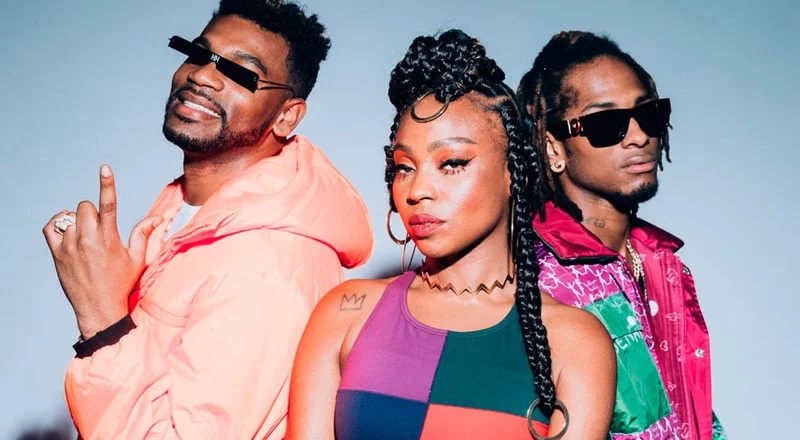
Cali’s Cultural DNA Is Hip-Hop Fuel
Cali has always been a rhythmic city—salsa capital, dance capital, street-art capital. Those influences seep naturally into local hip-hop. Instead of copying U.S. or Caribbean trends, Cali artists often bring percussion-heavy beats, chant-style hooks, and dancefloor energy into their tracks. The result is music that stands out instantly—gritty but warm, raw but rhythmic.
Many young MCs say that the city’s cultural diversity makes hip-hop feel like a natural extension of street life, not an imported trend. In Cali, you might see a cypher with dancers, drummers, graffiti artists, and poets all working together, creating scenes that feel like mini block parties. This multi-disciplinary energy is one of the reasons the Valle Flow sound is evolving so fast.
Rising Voices Leading the Valle Flow
Week 2 brings attention to the standout names gaining national traction:
Sombra del Valle
A rapidly rising lyricist from Aguablanca, Sombra blends harsh social commentary with poetic confidence. His latest performances have gone viral locally, especially his live street sessions where he raps surrounded by entire neighborhoods cheering him on. His flow is sharp, political, and rooted in real Cali life.
La Negra Alba
One of the most powerful female voices in the movement, Alba switches effortlessly between melodic singing and razor-edged verses. Her sound mixes R&B softness with classic boom bap grit, and she is becoming a symbol of Afro-Colombian pride in hip-hop. Fans highlight her storytelling about womanhood, struggle, and resilience.
Brutal Pacífico
This group is experimenting with a mix of Pacific Coast marimba rhythms, trap drums, and call-and-response hooks. They’re creating something new, something fresh—almost its own subgenre. Their live shows feel spiritual, energetic, and deeply connected to Black Colombian identity.
El Viajero 86
A producer and beatmaker known for giving Cali artists a distinctive sound, Viajero mixes hip-hop with electronic influences from the city’s underground dance scene. Many Valle Flow tracks making noise online right now have his fingerprints all over them.
The Street Cyphers Keeping Cali’s Scene Alive
Cali’s hip-hop culture thrives on street gatherings—open-mic parks, plaza cyphers, graffiti block events. The most notable one this month has been the Plaza de Cayzedo Night Cypher, attracting rappers from all over the Valle. These sessions have become hubs for networking, mentorship, and discovery.
Older MCs are passing knowledge to young newcomers, crews are forming on the spot, and videographers are showing up to record freestyle clips that often go viral on Colombian hip-hop pages. For many rappers, these cyphers are their first exposure to a real audience—raw and unfiltered.
Why Cali Might Be Colombia’s Next Big Hip-Hop Export
Unlike some regions where hip-hop movements depend on big studios or label cosigns, Cali’s rise is coming from the ground up. Independent studios, collective-run events, community-funded music videos, and cross-city collaborations all contribute to a sense of unity and identity.
A few reasons Cali’s Valle Flow is gaining national recognition:
1. The fusion is unique.
Cali artists aren’t repeating what Medellín or Bogotá did—they’re creating something new.
2. The energy is community-driven.
Hip-hop events in Cali feel like neighborhood celebrations, not industry showcases.
3. The youth movement is massive.
Teenagers and early-twenties artists are pushing bold sounds without overthinking trends.
4. Visuals matter.
Cali videographers are producing gritty, cinematic clips that match the music’s vibe.
5. Afro-Colombian cultural influence.
The Pacific identity adds depth, rhythm, and global appeal to the music.
Looking Ahead
As Colombia’s hip-hop landscape continues to evolve, the Valle Flow movement is proving that Cali is more than just a salsa city—it’s becoming a hip-hop powerhouse with something real to say and a sound that can stand alongside the best Latin rap movements across the continent.
Week 2 starts strong with this spotlight on the Cali wave. Coming up next, we’ll break down Medellín’s underground cypher circuit and highlight a few new artists turning heads this month.
About the Author