 hiphopbogota hiphopbogota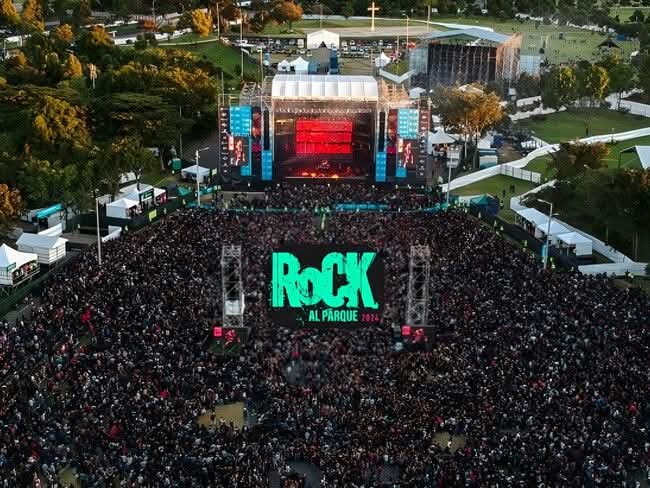
By Eli Jesse
For more than two decades, Hip Hop al Parque has stood as one of the most important cultural platforms for rap and urban music in Latin America. What began as a local initiative celebrating hip-hop culture has evolved into a launching pad for artists seeking national and international recognition. As preparations for Hip Hop al Parque 2026 continue, the festival is once again proving that its influence extends far beyond a single weekend of performances.
This year, organizers and Bogotá’s Instituto Distrital de las Artes (Idartes) have been actively promoting artist participation opportunities, cultural grants, and information sessions designed to help emerging talent access one of the region’s most influential stages. For many aspiring rappers, DJs, producers, graffiti artists, and dancers, these initiatives represent more than a chance to perform—they offer a pathway toward a sustainable career in music and culture.
More Than Just a Festival
Hip Hop al Parque has long occupied a unique place within Colombia’s music landscape.
Unlike many commercial festivals that prioritize established acts, the event has historically focused on balancing international headliners with local and emerging talent. This approach has helped countless artists gain exposure while strengthening Bogotá’s reputation as one of Latin America’s most important hip-hop cities.
The 2026 edition is scheduled for October 24 and 25 at Bogotá’s iconic Simón Bolívar Park, continuing a tradition that attracts thousands of fans from across Colombia and beyond. Organizers have already confirmed the festival as part of the city’s larger Festivales al Parque program, one of the most successful public cultural initiatives in the region.
For artists hoping to break into the industry, appearing on the Hip Hop al Parque stage can be career-changing.
Building Opportunities Through Public Investment
A major reason for the festival’s continued success is the support provided through Bogotá’s cultural development programs.
In 2026, Idartes announced a substantial portfolio of artistic incentives aimed at supporting creators, collectives, organizations, and independent cultural projects. The initiative includes dozens of open calls and hundreds of funding opportunities designed to strengthen artistic creation, education, research, and circulation throughout the city.
While these programs span multiple artistic disciplines, urban culture remains a significant focus.
For emerging rappers and hip-hop collectives, access to grants, training opportunities, networking events, and festival-related programs can provide resources that would otherwise be difficult to obtain independently.
The result is an ecosystem that encourages long-term artistic development rather than simply rewarding short-term popularity.
Why Hip Hop al Parque Matters to Young Artists
Breaking into music has never been easy.
Today’s artists face intense competition from around the world, with streaming platforms and social media creating both opportunities and challenges. While technology makes it easier to distribute music, it also means emerging talent must compete against millions of creators for attention.
This is where festivals such as Hip Hop al Parque become especially valuable.
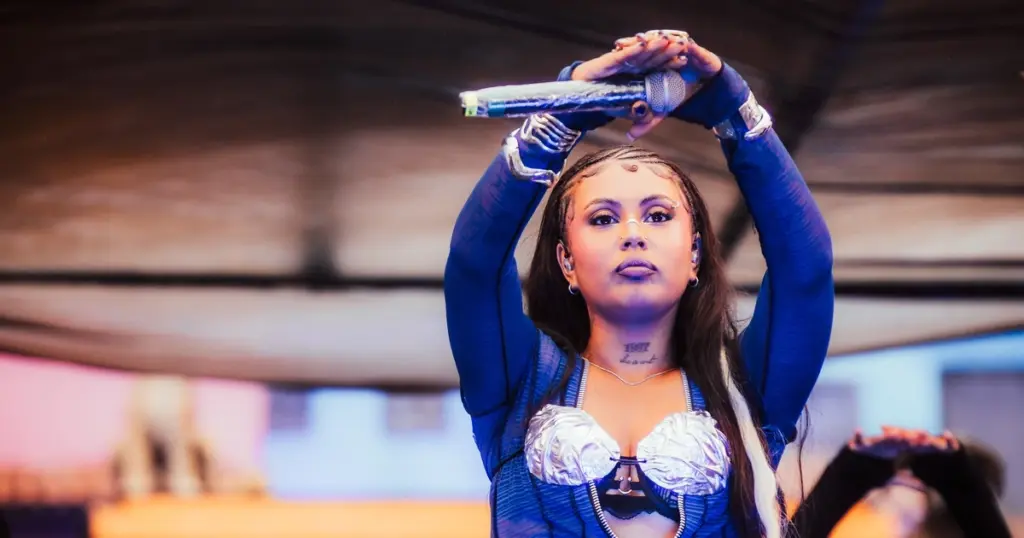
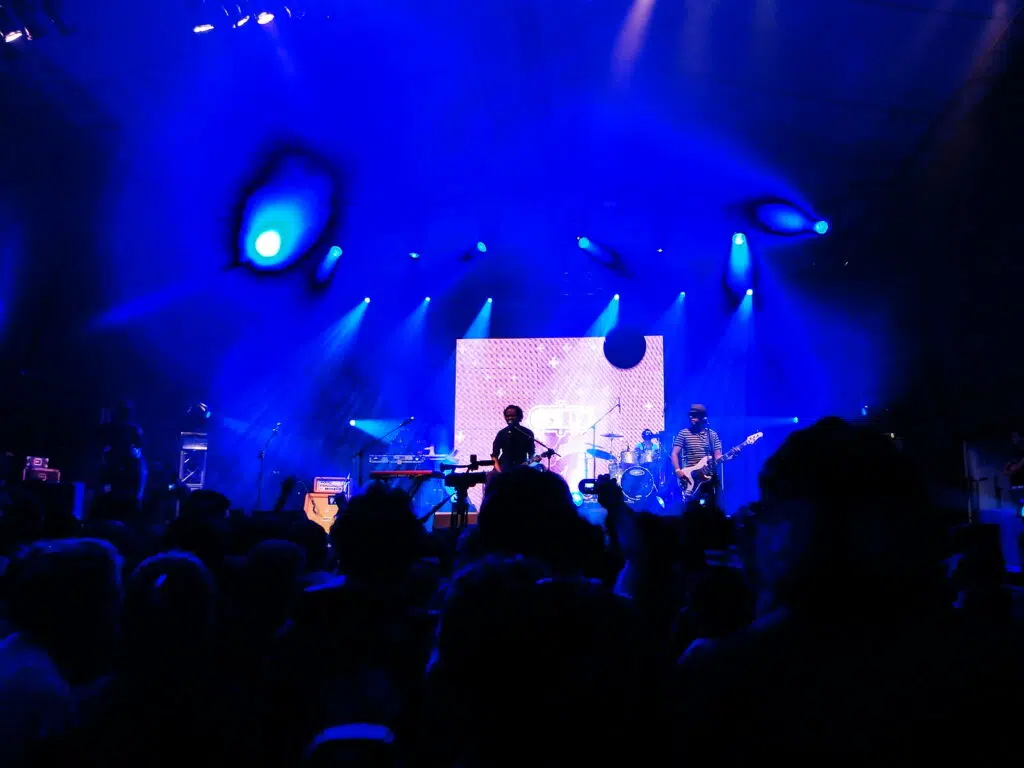
Performing in front of large crowds offers artists something that cannot be replicated through streaming numbers alone: real-world connection with audiences.
Many Colombian artists who later achieved national recognition first gained visibility through festival appearances and local cultural initiatives. The experience of sharing a stage with respected performers can accelerate growth, improve confidence, and help artists build industry relationships.
For young rappers in Bogotá’s neighborhoods, Hip Hop al Parque often serves as proof that professional success is possible.
A Platform Rooted in Community
One of the festival’s defining characteristics is its connection to community culture.
Hip-hop was born as a movement that gave voice to underrepresented communities, and Hip Hop al Parque has consistently embraced that tradition. The festival celebrates not only rap music but also DJ culture, breakdancing, graffiti, education, entrepreneurship, and community engagement.
That broader vision helps distinguish the event from many mainstream music festivals.
Participants are encouraged to view hip-hop as a cultural movement rather than simply a commercial genre. Workshops, networking opportunities, educational initiatives, and community-focused programming often accompany the musical performances, creating an environment where artists can learn as well as perform.
This holistic approach has helped strengthen Bogotá’s hip-hop infrastructure over the years.
Bogotá’s Growing Influence in Latin American Hip-Hop
The continued expansion of Hip Hop al Parque reflects Bogotá’s increasing importance within the Latin American music industry.
The Colombian capital has become a center for artistic innovation, producing a diverse range of rappers, producers, DJs, and creative entrepreneurs. The city’s urban music scene now exists alongside globally recognized Colombian stars while maintaining a strong underground identity.
Government-backed cultural initiatives have played a major role in this growth.
According to city officials, the broader Festivales al Parque program attracts hundreds of thousands of attendees annually and provides performance opportunities for hundreds of artists across multiple genres. These events contribute not only to cultural development but also to economic activity, tourism, and creative entrepreneurship.
Hip Hop al Parque remains one of the strongest examples of how public cultural investment can help nurture local talent while preserving artistic authenticity.
Creating Future Headliners
Every major artist starts somewhere.
The performers who headline festivals today were often the unknown newcomers of previous generations. Hip Hop al Parque understands this reality and continues creating opportunities for artists who may eventually become the next influential voices in Colombian rap.
The festival’s commitment to emerging talent is particularly important at a time when independent artists are searching for meaningful ways to stand out in an increasingly crowded marketplace.
A strong performance at Hip Hop al Parque can generate media attention, attract new fans, create networking opportunities, and open doors to future bookings. For some artists, it may represent the biggest audience they have ever performed in front of.
These experiences can become defining moments in a musician’s career.
Looking Ahead to Hip Hop al Parque 2026
As October approaches, anticipation continues building throughout Colombia’s hip-hop community.
Artists are preparing submissions, attending informational events, and positioning themselves for opportunities connected to one of the continent’s most respected hip-hop festivals. Meanwhile, fans are eagerly awaiting lineup announcements and the chance to discover the next wave of Colombian rap talent.
The significance of Hip Hop al Parque extends beyond entertainment.
It serves as a reminder that culture thrives when communities, artists, and institutions work together to create opportunities for future generations. Through grants, open calls, educational programs, and performance platforms, the festival continues shaping careers and strengthening Colombia’s hip-hop ecosystem.
For aspiring rappers across Bogotá and beyond, Hip Hop al Parque 2026 represents more than a festival.
It represents possibility.
And for the next generation of Colombian rap talent, that possibility could be the beginning of something much bigger.