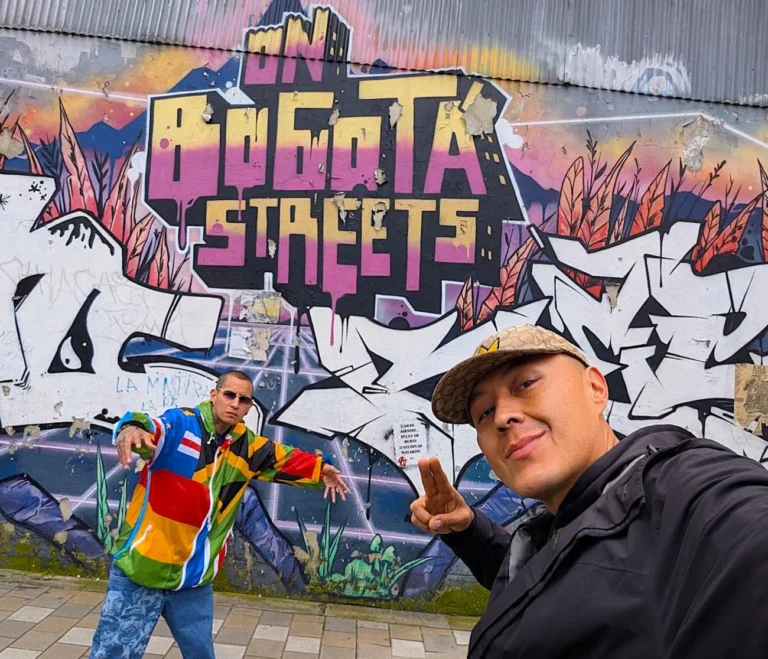
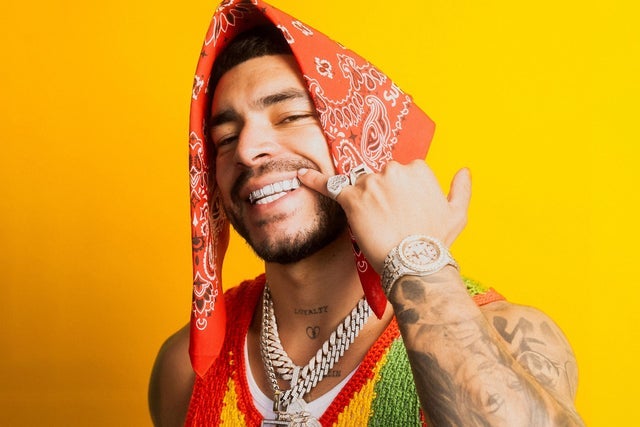
The Colombian music scene is once again in motion, and this time the spotlight is on Maluma. Just days ago, the global superstar announced his upcoming album Loco X Volver, set to drop in May 2026. While Maluma is widely known for his dominance in reggaeton and Latin pop, this project is already sparking conversations far beyond those genres—especially within hip-hop circles.
At first glance, Loco X Volver might seem like another commercial release from a hitmaker who has consistently topped charts worldwide. But the direction of this album tells a deeper story. Maluma has made it clear that this project is about reconnecting with his roots—musically, culturally, and personally. And in Colombia, that kind of move carries weight.
A Return to Roots, Not Just a Sound

Over the years, Colombian urban music has leaned heavily into global appeal. Artists like J Balvin and Karol G have helped push reggaeton and Latin pop to international heights, often blending Caribbean rhythms with polished production aimed at global audiences.
But with Loco X Volver, Maluma appears to be shifting the focus inward.
This isn’t just about nostalgia—it’s about identity. Colombia’s streets, barrios, and local cultures have always been the foundation of its music. From Medellín to Bogotá, the raw stories, slang, and sounds of everyday life shaped the early wave of Colombian hip-hop and urbano. By emphasizing a return to these elements, Maluma is tapping into something more authentic.
And that matters.
The Hip-Hop Connection
Even though Maluma isn’t traditionally labeled as a hip-hop artist, his influence on the culture is undeniable. In Latin America, genre lines are often blurred. Reggaeton, trap, and hip-hop coexist, overlap, and constantly evolve together.
That’s why this album announcement is resonating within hip-hop spaces.
The inclusion of artists like Ryan Castro hints at a stronger trap and street-oriented influence. Castro, known for his gritty delivery and connection to Medellín’s urban reality, represents a newer wave that bridges commercial success with street authenticity.
This kind of collaboration signals a shift:
- More rap and trap elements entering mainstream Colombian music
- Greater emphasis on storytelling and street narratives
- A blending of polished production with raw, local energy
For hip-hop fans, that’s a win.
Why This Moment Matters
Colombian hip-hop has long existed in the shadow of reggaeton’s global dominance. While underground artists and collectives have kept the culture alive with powerful lyricism and social commentary, they’ve rarely received the same level of international visibility.
Moves like this can change that.
When an artist of Maluma’s scale chooses to highlight local identity and collaborate with street-rooted talent, it creates a ripple effect across the industry. Suddenly, sounds that were once considered “underground” start gaining mainstream attention.
It also encourages other artists to follow suit.
Instead of chasing global trends, there’s now more incentive to:
- Embrace Colombian identity
- Incorporate local rhythms and influences
- Stay connected to the realities of the streets
And that’s where hip-hop thrives.
Reclaiming the Narrative
One of the biggest criticisms of mainstream Latin music has been its gradual move away from its roots. As the industry globalized, some argued that authenticity was being sacrificed for international appeal.
Loco X Volver feels like a response to that.
By centering Colombian culture, Maluma is helping to reclaim the narrative. He’s reminding listeners that the country’s music scene isn’t just about club hits and viral singles—it’s about history, struggle, and expression.
This aligns closely with hip-hop’s core values.
At its heart, hip-hop has always been about giving a voice to the unheard. Whether it’s through storytelling, social commentary, or raw emotion, the genre thrives on authenticity. And when mainstream artists begin to lean back into those principles, it strengthens the entire culture.
The Bigger Picture
This isn’t just about one album—it’s about where Colombian music is headed.
Right now, there’s a noticeable shift happening:
- A new generation of artists is blending trap, drill, and traditional sounds
- There’s growing pride in barrio culture and local identity
- Underground movements are gaining more visibility
Maluma’s Loco X Volver fits perfectly into this moment. It acts as both a reflection of the current scene and a catalyst for what’s next.
If the album delivers on its promise, it could:
- Open doors for more hip-hop-influenced projects
- Bring underground sounds to wider audiences
- Strengthen Colombia’s position in the global hip-hop conversation
Final Thoughts
Maluma stepping back into his roots isn’t just a creative decision—it’s a cultural statement.
While he may operate in the pop and reggaeton space, his influence reaches far beyond it. And with Loco X Volver, he’s helping to bridge the gap between mainstream success and street authenticity.
For Colombian hip-hop, this is a moment worth paying attention to.
Because sometimes, it takes a global star to remind the world where the real sound comes from.
About the Author