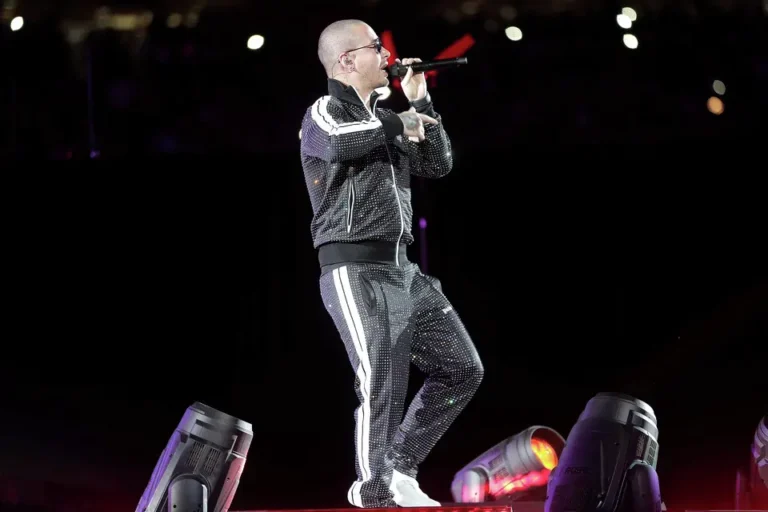
For years, J Balvin has remained one of the biggest faces of Colombian urban music worldwide, and in 2026 his influence continues growing far beyond reggaeton.
The Medellín superstar is once again trending globally after reports connected him to major international football entertainment events tied to the 2026 World Cup season. The news has sparked conversations across Latin music communities about how far Colombian urban culture has come over the past decade.
While Balvin is mainly known for reggaeton and melodic Latin hits, his impact on Colombian hip-hop culture is impossible to ignore. Many fans and artists believe he helped create the modern global pathway that Colombian rappers, trap artists, and urban musicians now follow.
Before the rise of Balvin, Colombian urban artists struggled to gain worldwide visibility outside Latin America. Most international attention in Latin urban music focused heavily on Puerto Rico and parts of the United States. Medellín was not yet viewed as a global music powerhouse.
Today, that story has completely changed.
Medellín Has Become a Global Urban Music Capital
Thanks to artists like Balvin, Medellín has transformed into one of the most influential urban music cities in the world. The city now produces:
- reggaeton stars,
- trap artists,
- melodic rappers,
- producers,
- DJs,
- and experimental urban musicians reaching global audiences daily.
The Medellín sound itself has evolved into a unique fusion of:
- Latin trap,
- reggaeton,
- hip-hop,
- Afrobeat,
- dancehall,
- electronic sounds,
- and emotional storytelling.
One of the biggest changes in Colombia’s scene is how artists no longer separate rap and reggaeton the way previous generations did. Younger musicians move freely between singing, rapping, and melodic flows on the same project.
That crossover culture became normalized during Balvin’s international rise.
J Balvin Helped Open Global Doors
J Balvin helped prove that Colombian artists could compete on the same level as major international acts.
Over the years, he:
- collaborated with global stars,
- entered mainstream American charts,
- appeared at major festivals,
- worked with luxury fashion brands,
- and helped bring Colombian slang, visuals, and culture into global pop culture.
His success also inspired labels and streaming platforms to invest more heavily in Colombian talent.
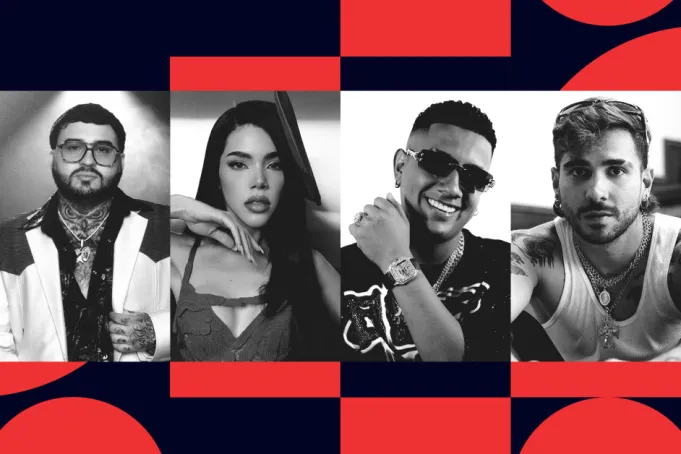
Today artists like:
- Ryan Castro
- Blessd
- Feid
- Kris R
- Beéle
are benefiting from the international attention now focused on Medellín and Colombian urban music.
Colombian Hip-Hop Is Becoming More Experimental
Another major trend happening in Colombia right now is the rise of darker and more emotional hip-hop sounds.
Underground artists from Bogotá and Medellín are experimenting with:
- UK drill production,
- Jersey club rhythms,
- atmospheric trap beats,
- Afro-Caribbean percussion,
- and vulnerable songwriting.
Instead of focusing only on party music, many younger Colombian artists are making songs about:
- pressure,
- ambition,
- heartbreak,
- survival,
- and street life.
This emotional and melodic direction is helping Colombian rap connect with younger global audiences online, especially through TikTok and streaming platforms.
Colombia’s Urban Future Looks Bigger Than Ever
In 2026, Colombia’s urban music scene feels stronger than ever. The country has become one of the most exciting creative spaces for Latin hip-hop, trap, and reggaeton fusion music.
Artists are collaborating more, independent collectives are growing rapidly, and Colombian urban culture continues expanding internationally.
While new stars continue rising every year, many fans still credit J Balvin as one of the key figures who helped make the global spotlight possible for modern Colombian urban music.
About the Author