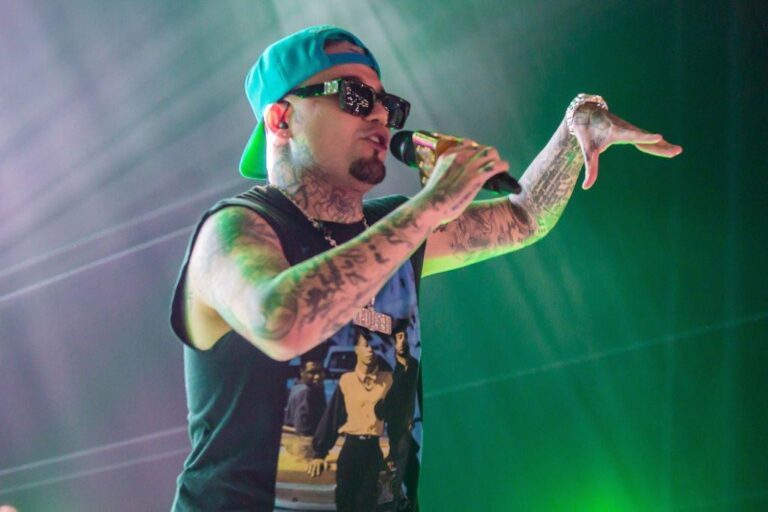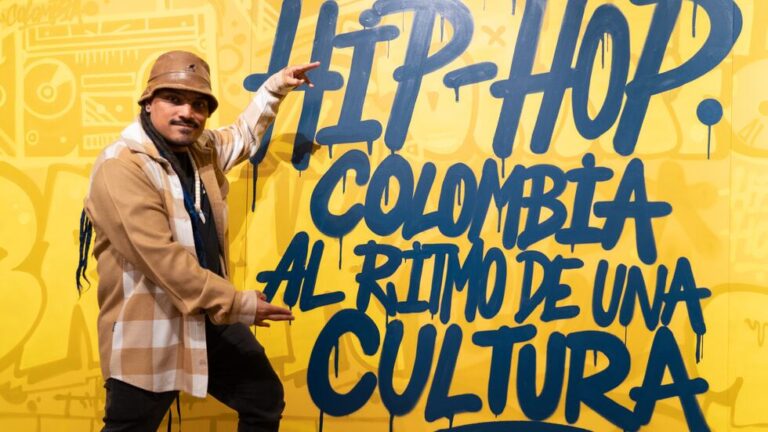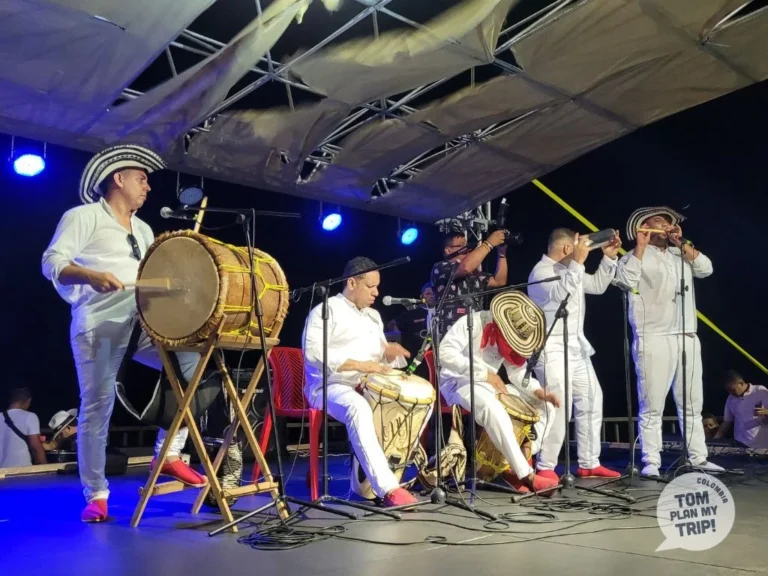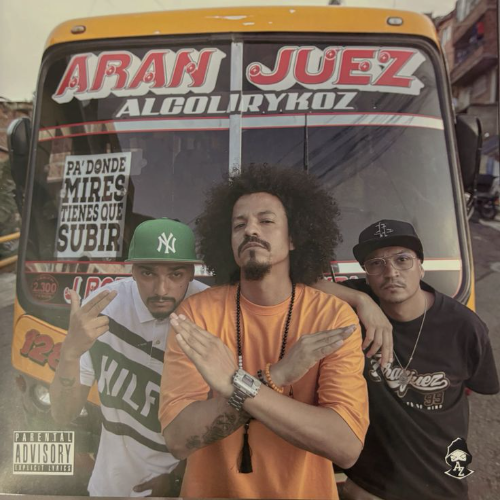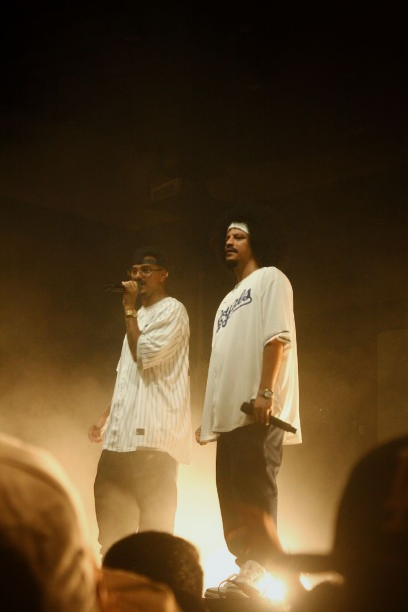
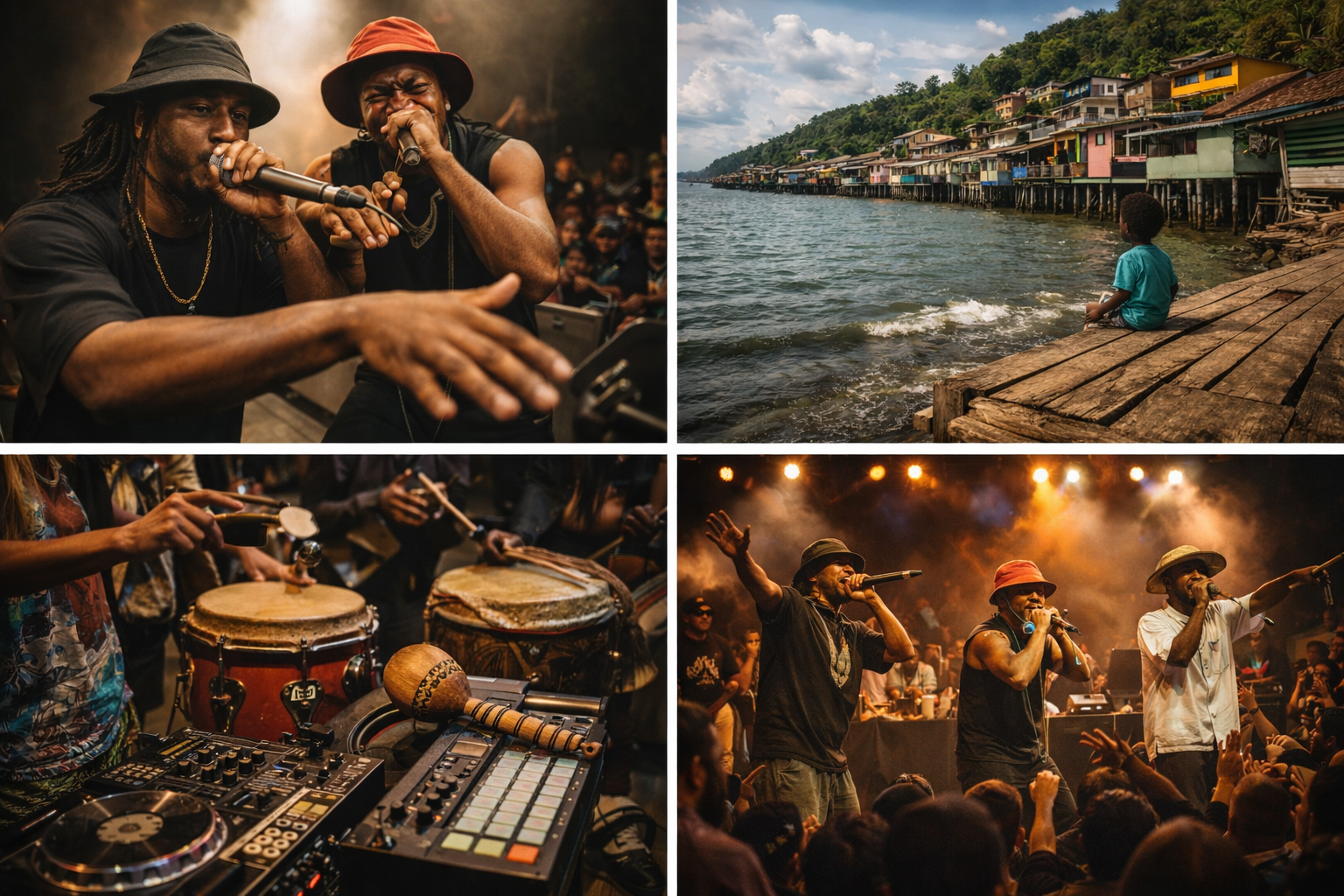
Colombian hip-hop isn’t just music — it’s a cultural bridge. Afro-Colombian communities, especially along the Pacific coast, have shaped the sound, rhythm, and soul of the nation’s rap. From percussion-heavy beats to storytelling rooted in ancestral struggles, Afro-Latino identity is central to Colombian hip-hop.
The Roots: Rhythm Meets Resistance
For Afro-Colombian communities, music has always been more than entertainment. Cumbia, currulao, and traditional drumming are forms of history, resistance, and survival. Hip-hop became the modern vessel for that legacy — turning cultural memory into street poetry.
Artists Who Fuse Ancestry and Modernity
Some rappers explicitly highlight their heritage:
- Crudo Means Raw – mixes African rhythms with urban beats
- Systema Solar – experiments with Afro-Colombian percussion in rap contexts
- Emerging artists bring traditional instruments into trap and boom-bap
This fusion keeps hip-hop rooted in identity, not just global trends.
Themes That Define Afro-Colombian Hip-Hop
Lyrical content often addresses:
- Historical oppression
- Racial inequality
- Community pride
- Cultural preservation
It’s music with purpose — teaching, inspiring, and celebrating identity simultaneously.
Why Afro-Latino Identity Matters in Hip-Hop
Colombian hip-hop isn’t a copy of U.S. rap. Its Afro-Latino roots:
- Create unique rhythms
- Bring new storytelling angles
- Build bridges across Latin America and the African diaspora
It proves Colombian rap is global yet profoundly local.
The Future: Young Voices Rising
Young Afro-Colombian MCs are emerging, blending genres, experimenting with sound, and speaking truth to power. They ensure hip-hop remains both relevant and authentic.
Colombian hip-hop thrives because it’s more than entertainment. It’s ancestry, survival, and voice — rolled into bars and beats that resonate worldwide.
About the Author