By Eli Jesse
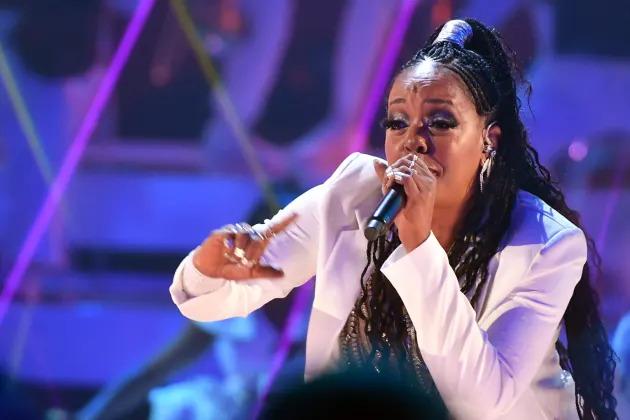
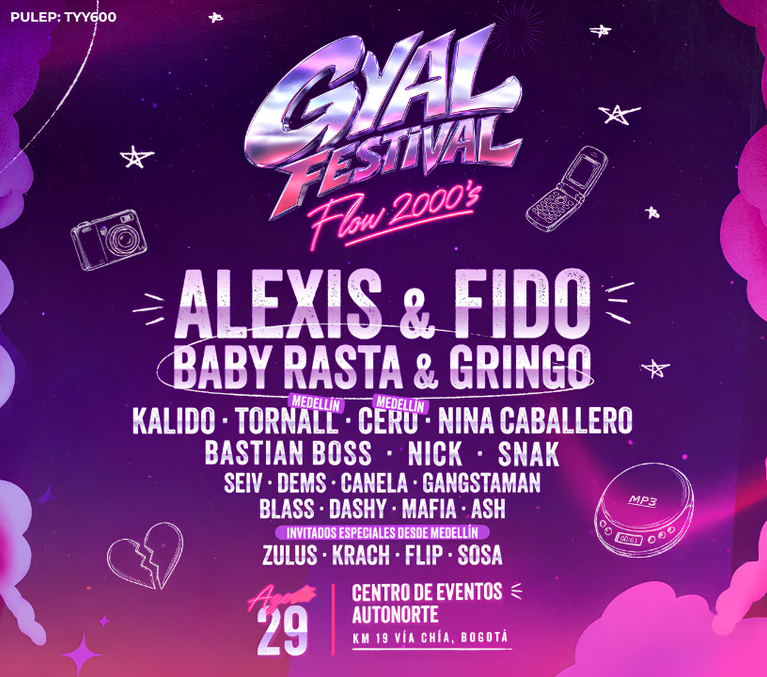
Colombia’s hip-hop culture doesn’t just live in studios or street cyphers — it explodes on stage, in plazas, and across entire cities through festivals that unite generations. From Bogotá’s legendary Hip Hop al Parque to emerging local events in Medellín, Cali, and Cartagena, these gatherings serve as more than just concerts — they’re living symbols of resistance, art, and community.
Hip Hop al Parque: The Heartbeat of Bogotá
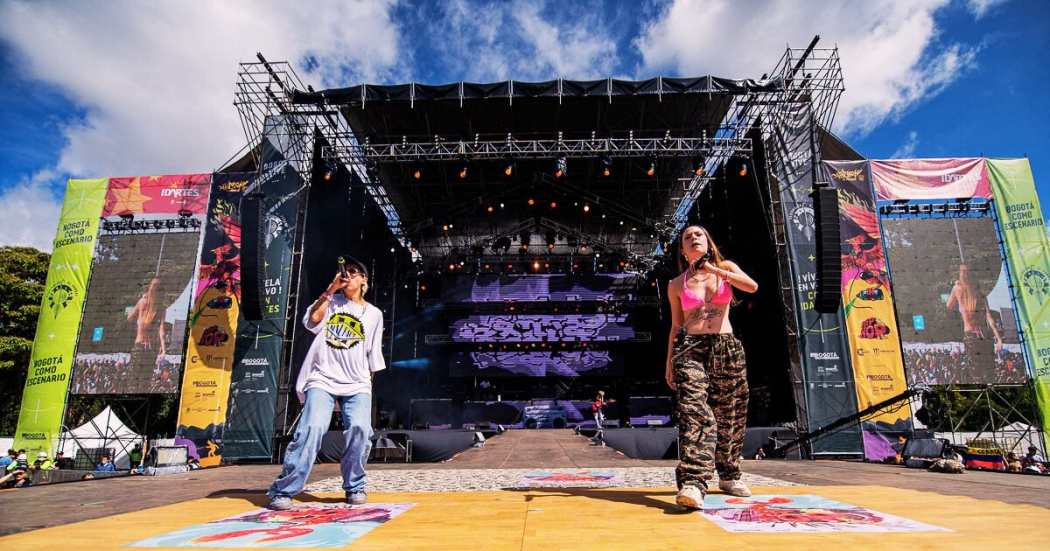
When you talk about Colombian hip-hop, you can’t skip Hip Hop al Parque. Launched in 1996 by Bogotá’s City Institute of Arts (IDARTES), it’s the largest free hip-hop festival in Latin America and one of the most iconic worldwide. Every year, tens of thousands of fans fill Simón Bolívar Park to witness MCs, DJs, graffiti artists, and breakdancers showcase their craft.
This event isn’t just entertainment — it’s a mirror reflecting Bogotá’s diverse neighborhoods and voices. From the gritty verses of La Etnnia to the poetic rhymes of Alcolirykoz and the socially charged performances by Lianna, Hip Hop al Parque embodies the evolution of Colombian urban expression.
Beyond Bogotá: Local Festivals on the Rise
While the capital sets the tone, cities like Medellín, Cali, and Barranquilla are developing their own hip-hop celebrations.
- Medellín Hip Hop Festival: Known for its dynamic b-boy competitions and conscious rap, this festival reflects the city’s resilience after years of violence. It has become a hub for education, peace, and transformation through music.
- Cali Underground Fest: Blending hip-hop with salsa, reggae, and cumbia, Cali’s events often push musical boundaries, creating a fusion that celebrates Afro-Colombian roots and urban evolution.
- Cartagena Street Jam: A colorful fusion of dance, graffiti, and rap, this event brings together artists from coastal and Caribbean influences, proving that hip-hop has many regional flavors across Colombia.
The Message Behind the Music
Most Colombian hip-hop festivals double as platforms for activism. They amplify voices that challenge corruption, police brutality, and social inequality. Panels and workshops often accompany performances, teaching youth about production, graffiti, and lyrical writing as tools for empowerment.
In Medellín, programs like Rap y Paz (Rap and Peace) integrate hip-hop into peace-building initiatives, teaching kids in vulnerable neighborhoods that words are stronger than weapons.
Community Spirit & Collaboration
These festivals thrive on collaboration. You’ll often find breakdance crews painting graffiti beside DJs spinning beats for cyphers. Each art form — MCing, DJing, graffiti, and breaking — comes together to create one collective message: unity through creativity.
Many local collectives, like Crew Peligrosos from Medellín or Reyes del Asfalto from Cali, began as festival performers before becoming cultural ambassadors. These groups now lead workshops in schools and youth centers, expanding hip-hop’s positive influence beyond the stage.
What to Expect as an Attendee
If you’re planning to attend a Colombian hip-hop festival, expect passion, rhythm, and raw energy. Festivals are often free and family-friendly, welcoming everyone from teenagers to older hip-hop veterans. The atmosphere is electric — think open-air battles, graffiti walls, street vendors, and spontaneous freestyle circles.
For international travelers, Bogotá’s Hip Hop al Parque usually takes place between October and November, while Medellín’s festivals often happen mid-year. Most are open entry, but premium zones or backstage passes can sometimes be reserved through local promoters.
Emerging Events & the Future
In the digital era, smaller festivals are gaining visibility through social media and streaming. Projects like Flow Local and Colombia Urbana TV spotlight upcoming artists and underground performances that might otherwise go unnoticed.
As Colombia continues embracing hip-hop, expect to see even more hybrid events — fusing traditional sounds with digital artistry, spoken word, and multimedia visuals.
Why It Matters
Hip-hop festivals in Colombia are about reclaiming space. They give youth an identity beyond violence and politics, offering music and movement as peaceful rebellion. Each event proves that hip-hop isn’t just imported culture — it’s a redefined Colombian expression, shaped by the people, for the people.
About the Author