By Eli Jesse
The hip-hop scene in Bogotá has quietly evolved into one of the most authentic and culturally driven movements in Latin America. While global attention often leans toward mainstream U.S. rap or commercial Latin trap, Bogotá has built something different—something rooted in storytelling, resistance, and community. This is not just music; it’s a voice for the streets.
Unlike polished industry sounds, Bogotá hip-hop thrives in rawness. From freestyle battles in public parks to packed underground venues, the city’s rap culture reflects real-life struggles, social inequality, and the fight for identity in a rapidly changing urban landscape.
The Heart of the Streets: Where Hip-Hop Lives
Walk through neighborhoods like La Candelaria and you’ll see walls covered in graffiti that speak louder than billboards. These murals are not just art—they’re protest, memory, and expression. Hip-hop in Bogotá extends beyond music into a full cultural movement that includes breakdancing, DJing, and street art.
Public spaces are where the culture breathes. Parks, plazas, and university corners often turn into freestyle arenas where young MCs test their skills. These cyphers are unfiltered and competitive, pushing artists to sharpen their lyricism and stage presence.
The Sound: Conscious, Gritty, and Evolving
Bogotá’s hip-hop sound draws heavy inspiration from classic boom bap but blends it with Latin rhythms, reggae influences, and even jazz elements. The focus is less on commercial appeal and more on lyrical depth.
Artists often tackle themes like political corruption, police violence, poverty, and daily survival. It’s a return to hip-hop’s original purpose—telling the truth, no matter how uncomfortable it is.
At the same time, the scene is evolving. Younger artists are experimenting with modern production styles, fusing trap and alternative sounds while still maintaining the core message-driven identity that defines Bogotá rap.
Key Voices Driving the Movement
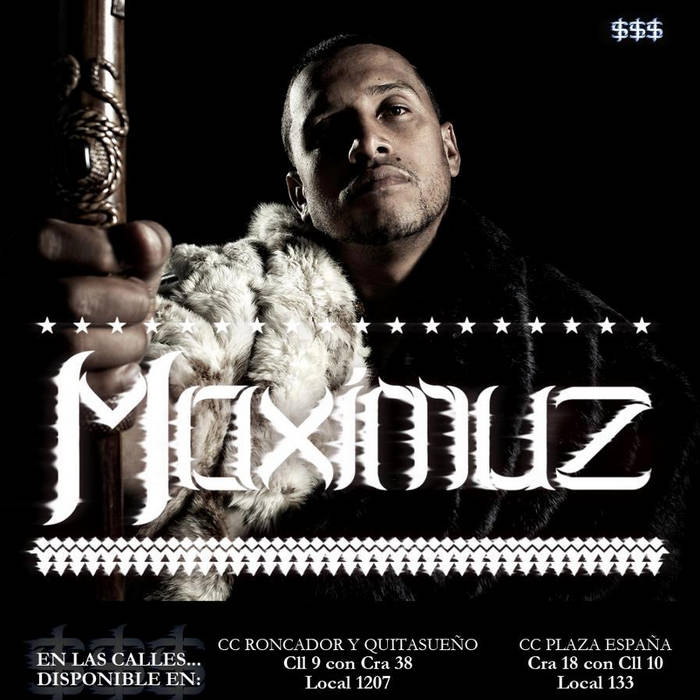
Several artists have played a major role in shaping the city’s hip-hop identity:
- Ali A.K.A Mind stands out as one of the most respected lyricists, known for introspective and socially conscious tracks.
- Crack Family brings a raw, underground energy that captures the grit of Bogotá’s streets.
- N. Hardem blends boom bap with jazz and soul influences, offering a more experimental sound.
These artists represent different layers of the scene, from hardcore underground rap to more polished but still meaningful productions.
Hip Hop al Parque: The Culture on a Massive Stage
Every year, Bogotá hosts one of the largest free hip-hop festivals in the world—Hip Hop al Parque. This event brings together thousands of fans and features both local talent and international acts.
What makes this festival unique is its accessibility. It’s open to the public, giving underground artists a platform to perform alongside established names. For many rappers, performing here is a major milestone and a gateway to wider recognition.
The festival also reinforces the sense of community that defines Bogotá hip-hop. It’s not just about performance—it’s about unity, culture, and shared identity.
Underground First, Fame Second
One of the most defining aspects of Bogotá’s hip-hop scene is its resistance to commercialization. While many global scenes chase streaming numbers and viral moments, Bogotá artists often prioritize authenticity.
Independent releases, grassroots promotion, and local support systems keep the culture grounded. This approach may limit mainstream exposure, but it preserves the integrity of the music.
That said, the digital era is opening new doors. Platforms like YouTube and streaming services are helping Bogotá artists reach international audiences without compromising their message.
A Scene on the Rise
Bogotá hip-hop is no longer just a local movement—it’s gaining recognition across Latin America and beyond. As more listeners seek out authentic voices, the city’s raw and honest approach to rap is becoming increasingly appealing.
The future looks promising. With a new generation of artists pushing boundaries while honoring tradition, Bogotá is positioned to become a major force in global hip-hop culture.
About the Author