The global music stage has long been dominated by the infectious rhythms of Reggaeton, but in 2026, a deeper, more rhythmic pulse is emerging from the streets of Bogotá and Medellín. Colombian Hip-Hop is no longer just a local movement; it has matured into a sophisticated industry that balances street-level grit with high-production value.
As we move through the second week of April 2026, the sheer volume of new releases signals a shifting tide. Artists are moving away from purely commercial “urbano” sounds and returning to the sharp lyricism and heavy basslines that define true hip-hop.
The Rise of the “Ghetto Star” Aesthetic
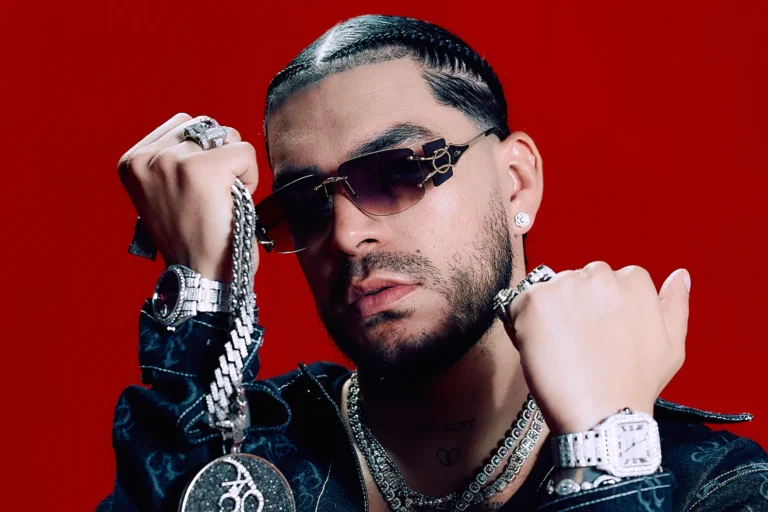
One cannot discuss the current state of the scene without mentioning Ryan Castro. While he has found massive commercial success, his recent projects—specifically those dropping this April—show an intentional return to rap foundations.
https://music.youtube.com/@elcantantedelghetto?si=jGG2fCUUEBY3Gs3n
Collaborations like “LA VILLA” (with Kapo and Gangsta) demonstrate how Colombian artists are successfully blending “Paisa” culture with global trap influences. It’s a sound that feels authentically Colombian but sounds ready for a club in London or Tokyo. This “Ghetto Star” aesthetic focuses on the hustle, the neighborhood (the barrio), and the pride of the struggle, resonating deeply with the youth.
The April 2026 Release Radar
The second week of April has been particularly fruitful for fans of the genre. Here are the standout tracks that are currently defining the charts and the underground:
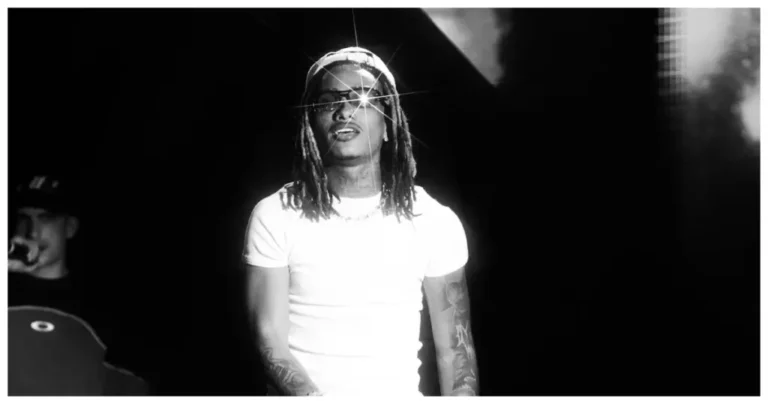
- “Chanel” by La Mano 1.9: Dropping on April 17, this track is a masterclass in modern drill. La Mano 1.9 has quickly become the voice of the streets, delivering raw, unfiltered bars that bypass traditional radio play to go viral on social media.
- “LA VILLA” – Ryan Castro x Kapo x Gangsta: This track is a masterclass in modern street energy. It’s smooth, high-energy, and showcases the vocal versatility that Colombian rappers are becoming known for.
- “CHÉVERE Premium Remix” – Ryan Castro & Aria Vega: A more traditional anthem that serves as a tribute to the roots while adding a polished, modern flair. It’s a reminder that while the sound evolves, the message of social awareness and regional pride remains constant.
Regional Nuances: Bogotá vs. Medellín
In 2026, the “musical war” between cities has turned into a fruitful competition.
- Medellín remains the powerhouse of production, often leaning toward the Trap and Reggaeton-infused side of hip-hop. The influence of “The Medellín Cartel” of artists ensures that everything coming out of this city has a polished, radio-ready finish.
- Bogotá, meanwhile, holds the crown for Boom-Bap and Conscious Rap. The colder climate of the capital seems to produce a darker, more introspective sound. Underground labels in Bogotá are increasingly using independent platforms to distribute music that addresses political shifts and social realities in South America.
Why the World is Listening Now
Why is Colombian Hip-Hop suddenly taking up so much space on global playlists? The answer lies in digital democratization. Independent artists in Colombia are no longer waiting for major label approval. Using platforms like TikTok and Instagram, they build cult followings that force the industry to take notice.
Furthermore, the “crossover” effect is real. When international heavyweights interact with the South American market, it shines a spotlight on the local talent. Colombian producers are also becoming some of the most sought-after in the world, exporting a “sound” that is rhythmically complex and emotionally resonant.
The Future of the Scene: Stadium Status
The defining moment of this month—and perhaps the year—is the impending homecoming of Ryan Castro. On April 25, 2026, Castro will take the stage at Medellín’s iconic Estadio Atanasio Girardot. Selling out 45,000 tickets in under two hours, this isn’t just a concert; it’s a coronation. It signals that Colombian rap has officially reached “stadium status,” capable of commanding the same massive crowds as the world’s biggest pop stars.
Additionally, the anticipation for “Omertà,” the joint album between Ryan Castro and J Balvin (set for release on May 7), is reaching a fever pitch. This collaboration bridges the gap between the legendary pioneers and the new school, ensuring the momentum won’t slow down anytime soon.
How to Support Local Colombian Talent
If you want to stay ahead of the curve, don’t just follow the Billboard charts. Dive into independent playlists:
- Follow “La Nueva Ola” on streaming platforms to catch daily drops.
- Support independent video directors who are visual innovators for these artists.
- Watch for live festivals, as Colombia’s “Rap al Parque” remains one of the largest free hip-hop festivals in the world, acting as the ultimate proving ground for new talent.
Conclusion The second week of April 2026 has proven that Colombian Hip-Hop is not a trend; it is a pillar of the global music industry. With artists like Ryan Castro leading the charge and underground poets like La Mano 1.9 keeping it real, the “Colombian sound” is louder and more influential than ever before.
About the Author