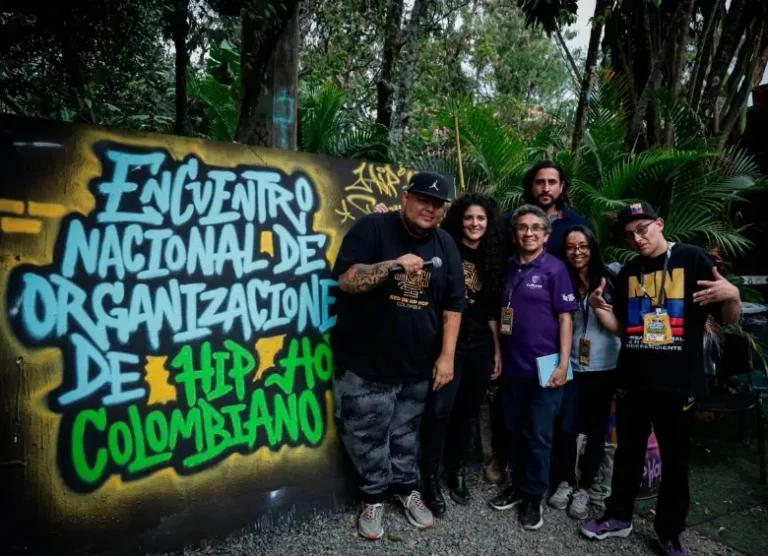
In Colombia, hip-hop has become more than a movement—it’s a bridge between the past and the present. Beyond the turntables and rhyme battles, a quiet revolution is taking place. Artists are using hip-hop to preserve Indigenous and Afro-descendant languages that risk fading away. Among them, the group Kombilesa Mi from San Basilio de Palenque stands as a powerful symbol of how music can keep a culture alive.
At a time when globalization threatens traditional tongues, Colombian hip-hop is proving that heritage can not only survive but thrive through rhythm and rhyme.
San Basilio de Palenque: The Birthplace of Resistance
San Basilio de Palenque, located in northern Colombia, carries deep historical roots. Founded by escaped enslaved Africans in the 1600s, it became the first free Black town in the Americas. Its people created their own language, Palenquero, blending African words with Spanish to communicate and preserve their identity.
For centuries, Palenquero was spoken only in this small community. But with younger generations leaning toward Spanish, the language risked extinction—until hip-hop gave it a new beat.
Kombilesa Mi: Turning Palenquero Into Poetry
Enter Kombilesa Mi, a group of young musicians who blend hip-hop with traditional rhythms and the Palenquero language. Their name means “My Friends” in Palenquero, and their goal is to make the world hear their ancestors’ tongue once more.
Their music fuses African drums, call-and-response chants, and modern rap flows to create something entirely unique. Songs like “No Más Discriminación” and “Sabrosura Palenquera” speak of pride, resistance, and heritage. As the BBC reported, their work has sparked a cultural revival, inspiring a new generation in Palenque to speak, sing, and rap in their ancestral language.
By turning Palenquero into an artistic weapon, Kombilesa Mi has made history—not by preserving language in a museum, but by living it through art.
The Power of Music in Language Preservation
Music has always been one of humanity’s strongest memory tools. It carries stories across generations. For Indigenous and Afro-descendant communities in Colombia, hip-hop offers more than just rhythm—it offers recognition.
Groups from across the country, including artists in Cauca, Nariño, and Chocó, have started blending native languages like Nasa Yuwe and Embera into their rap. These acts go beyond entertainment—they’re statements of survival. Every verse becomes a declaration: “We are still here.”
From Margins to Mainstream: A Cultural Shift
What’s fascinating is how this linguistic activism is resonating beyond local audiences. Festivals like Hip Hop al Parque in Bogotá now showcase artists performing in languages that once had no stage. Younger fans are beginning to see Colombia’s diversity not as something to hide but as something to celebrate.
By hearing Palenquero and Indigenous languages in rap battles and playlists, listeners are being reintroduced to parts of their national identity that colonialism once tried to erase.
Women Leading the Movement
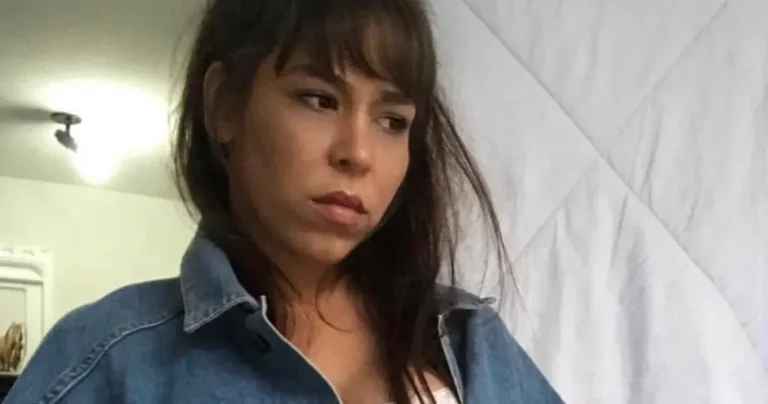
Afro and Indigenous women have been particularly instrumental in this revival. Artists such as Diana Avella and La Muchacha Isabel are weaving words of resilience and ancestral wisdom into their lyrics, reminding audiences that preserving language is also preserving the power of women’s voices in culture and history.
Through workshops and social projects, female MCs are teaching children to rap in their local dialects, giving them both confidence and cultural grounding.
Hip-Hop as a Global Language of Unity
The beauty of this movement lies in how local it is—and yet how global it feels. Rappers in Colombia are collaborating with artists in Africa, Brazil, and the Caribbean, finding common ground in their struggles and histories.
Just like hip-hop united the Bronx in the 1970s, it’s now uniting distant communities across continents. From the djembe drum to the boom-bap beat, the message remains the same: Never forget where you come from.
A Future Where Languages Live Through Art
As Colombia continues to embrace its cultural diversity, hip-hop stands as one of its strongest allies in protecting identity. Schools and youth programs in Palenque now use Kombilesa Mi’s music to teach language and history. What was once fading is now echoing in classrooms, streets, and stages.
This movement also challenges what “modern” means. For too long, progress was defined by how close we moved to Western culture. But now, Colombian artists are showing that true progress is remembering—bringing ancestral voices into the future through beats and bars.
The Legacy of Palenquero Hip-Hop
Thanks to artists like Kombilesa Mi, Palenquero isn’t just surviving—it’s dancing again. Their success proves that hip-hop isn’t about losing tradition to modernity; it’s about remixing it.
Every performance becomes a cultural act, every lyric a form of linguistic protection. Through hip-hop, Colombia’s forgotten tongues are finding rhythm, respect, and relevance once more.
Language is music—and as long as there’s a beat, these languages will never die.
About the Author