Hip-hop in Colombia has never been just about beats and rhymes—it’s about identity, survival, and pride. And when it comes to Afro-Colombian culture, the movement runs even deeper. From the coastal cities of Cartagena and Buenaventura to the barrios of Bogotá and Cali, Afro-Colombian artists have turned hip-hop into a tool of cultural celebration, political resistance, and self-definition.
In a country shaped by its African, Indigenous, and European roots, Afro-Colombian voices are reclaiming their place through music that speaks of ancestry, resilience, and the ongoing fight for equality.
A Legacy of Rhythm and Resistance
Afro-Colombians have always carried rhythm in their blood—from the drums of cumbia and currulao to the chants of palenques, the first free Black towns in the Americas. So when hip-hop arrived in Colombia in the late 1980s, it felt natural. The beats, the storytelling, and the defiance all mirrored what Afro-Colombian communities had been doing for centuries—using art to survive oppression and tell their truth.
Artists like La Etnnia, one of Bogotá’s earliest rap groups, set the tone by embracing their Afro roots unapologetically. Their songs mixed sharp lyricism with the pain and pride of growing up Black in Colombia’s urban neighborhoods. It was raw, political, and deeply personal.
Hip-Hop as a Tool for Reclaiming Identity
For many Afro-Colombian youth, hip-hop became the mirror they needed. It reflected their experiences with racism, poverty, and invisibility in a country that often overlooks its African heritage. Through rap, they began rewriting the narrative—celebrating dark skin, curly hair, and ancestral strength.
One powerful example is Kombilesa Mi, a group from San Basilio de Palenque, the first free Black town in Latin America. They rap in Palenquero, a language born from the fusion of African tongues and Spanish. Their music fuses traditional drumming with hip-hop beats, preserving heritage while making it modern and relevant. Their songs aren’t just entertainment—they’re acts of cultural preservation and rebellion against erasure.
Breaking Stereotypes and Building Bridges
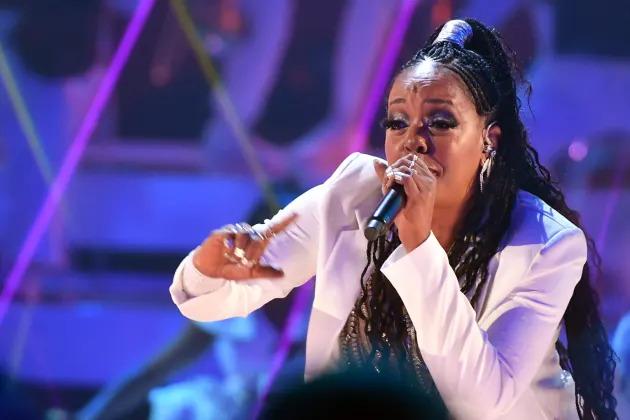
Afro-Colombian rappers often face double challenges: fighting against both racial prejudice and the mainstream industry’s bias toward commercial pop sounds. But instead of conforming, they’re carving their own lane. Artists like Lianna, Ali A.K.A Mind, and Zalama Crew use their platforms to question colorism, classism, and the lack of representation in the media.
Their lyrics are poetic yet powerful, mixing African drums with jazz, soul, and Caribbean rhythms. The result is a sound that feels both global and deeply local—proof that Afro-Colombian hip-hop can’t be boxed in.
From the Coast to the Capital: Regional Sounds and Pride
On the Caribbean coast, hip-hop borrows from dancehall and reggae, giving it a tropical, upbeat vibe. In cities like Buenaventura and Cali, you’ll hear elements of marimba and Pacific drums layered over trap-style beats. Bogotá’s scene, meanwhile, blends old-school rap with conscious lyrics about race and class.
Each region brings something unique, but what unites them is pride. Afro-Colombian artists are no longer hiding their roots; they’re wearing them like crowns. Through music videos, fashion, and language, they’re teaching a new generation to love their blackness.
Hip-Hop as Social Power
Beyond the music, hip-hop has become a lifeline for many Afro-Colombian communities. Grassroots projects in Chocó, Cartagena, and Cali use rap workshops to teach kids about identity, storytelling, and self-worth. Organizations like Escuela de Hip-Hop Kolacho in Medellín and Sonidos Enraizados in Cali use art to keep youth away from violence while connecting them with their African lineage.
These movements prove that hip-hop isn’t just entertainment—it’s education, therapy, and transformation.
The New Wave: Afro-Futurism and Global Collaboration
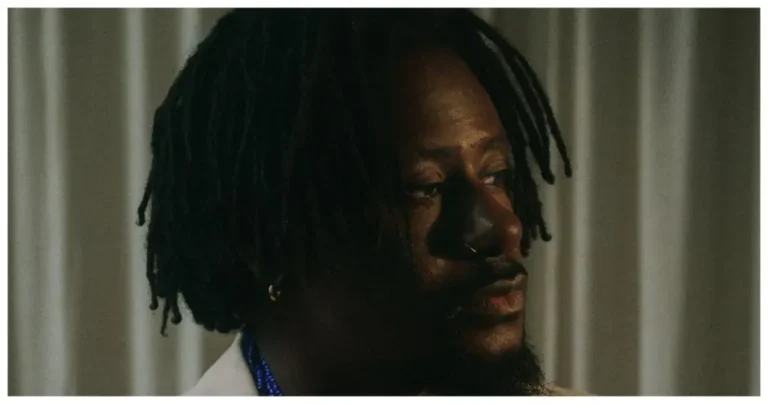
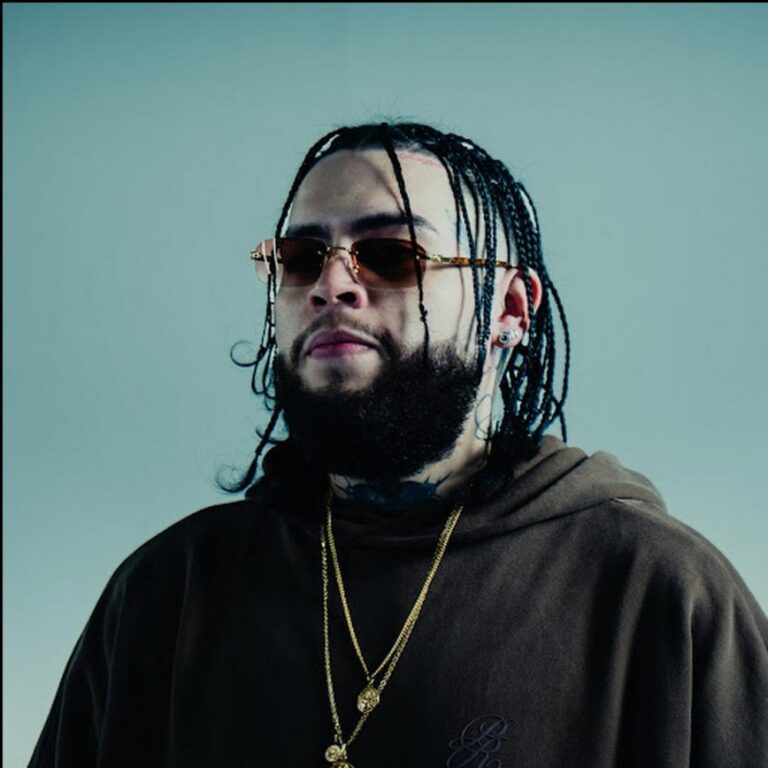
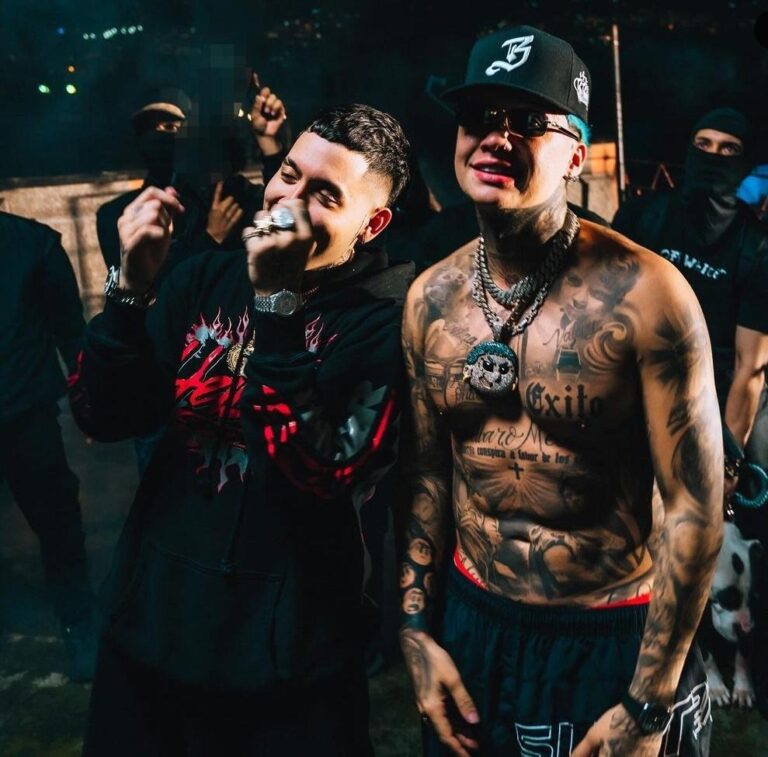
In recent years, a new generation of Afro-Colombian artists has taken hip-hop into fresh directions. They blend Afro-futurism, spirituality, and social commentary, creating music that feels revolutionary. Rappers like Velandia y La Tigra and Afaz Natural are pushing boundaries, collaborating with African and Caribbean artists, and redefining what Colombian hip-hop can be.
Thanks to platforms like Spotify and YouTube, their voices now reach beyond Colombia’s borders. Afro-Colombian hip-hop is connecting with the global African diaspora, sharing stories of pride, struggle, and triumph that resonate everywhere.
A Cultural Renaissance in Motion
What’s happening now in Colombia is more than a trend—it’s a renaissance. Afro-Colombian hip-hop has redefined what it means to be Black and proud in Latin America. It has given visibility to cultures that were once ignored, turning pain into poetry and rhythm into revolution.
Every beat, every rhyme, every performance is a reminder: Afro-Colombian identity is alive, unshaken, and unapologetic.
From Resistance to Radiance
Hip-hop has done for Afro-Colombians what history books often failed to do—celebrate them. It’s turned centuries of struggle into anthems of power. It’s taken the drumbeat of ancestors and merged it with digital sound to create something timeless.
From Palenque to Bogotá, from the past to the future, Afro-Colombian artists are proving that hip-hop isn’t just borrowed culture—it’s an extension of who they are. The rhythm, the rebellion, and the resilience all come from the same source: a people who refuse to be silenced.
Afro-Colombian hip-hop isn’t just a sound. It’s a movement. And its heartbeat is louder than ever.
About the Author